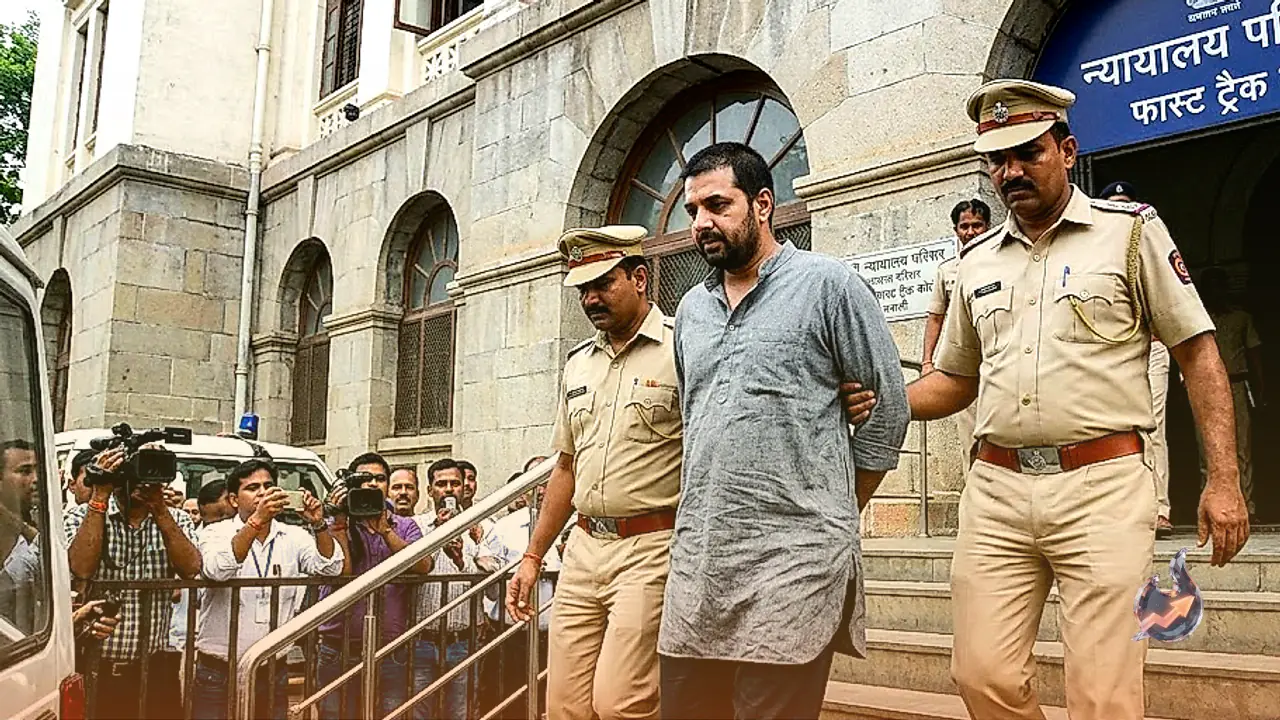




















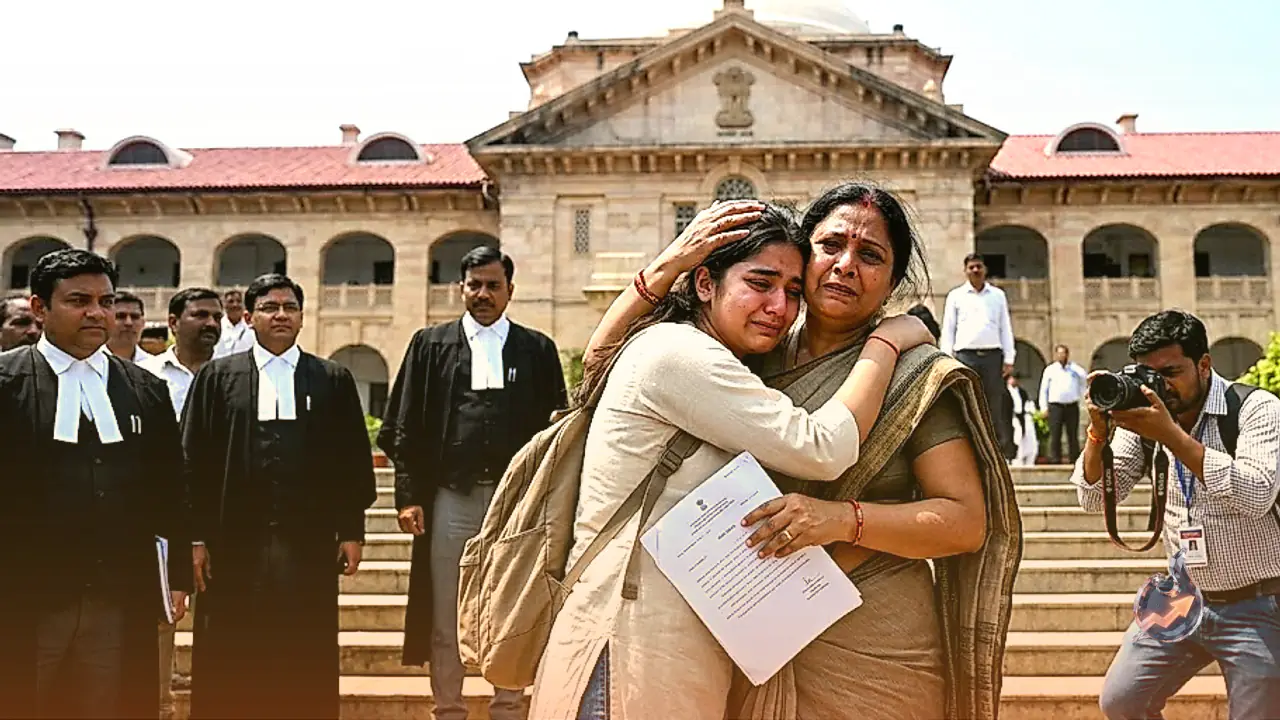

A 25 year old joins a protest and within days finds herself behind bars, that is exactly what happened to Delhi University graduate Aakriti Chaudhary. She was arrested during a workers' protest in Noida in April 2026, and authorities subsequently invoked the National Security Act, or NSA, against her. As a result, she spent nearly five months in judicial custody. The Allahabad High Court has now not only declared her detention unlawful and quashed it, but has also ordered compensation of ₹5 lakh, and the striking part is that this amount will not come from the government treasury but will instead be recovered directly from the salary of Gautam Buddh Nagar District Magistrate Medha Rupam.
From arrest to five months in custody
Aakriti Chaudhary's story is tied to the workers' protest that was underway in Noida, where she had taken part. She was detained during the demonstration, and soon after, the administration invoked the NSA against her, a law typically reserved for extraordinary and serious cases. That single decision kept Aakriti in jail for nearly five months. When the matter reached the Allahabad High Court, a two-judge bench examined the case closely and found that the very grounds on which she had been detained were seriously flawed. That is precisely why the court quashed her NSA detention in its entirety.
DM's conduct "worthy of ridicule": High Court
In its order, the High Court made sharp remarks about how the administration had handled the matter. The bench observed that DM Medha Rupam's conduct was worthy of ridicule, and that it appeared a peaceful student activist was deliberately made an example of, so that others would be deterred from protesting in the future. The court treated this not as a mere administrative lapse but as something closer to an abuse of power. It therefore directed that its displeasure with DM Medha Rupam and the police officials be formally recorded in their service records, so there is a lasting account of it.
Compensation not from the treasury, but from the DM's salary
Compensation in such cases is usually paid out of the government treasury, but this time the High Court took a different approach. It clearly ordered that the ₹5 lakh compensation owed to Aakriti Chaudhary be recovered from DM Medha Rupam's personal salary. The ruling is being seen as a significant step toward fixing individual accountability for officials, since it signals that the cost of wrongful decisions may now fall not just on public funds but on the responsible officer personally.
Loyalty owed to the Constitution, not the political executive
In its order, the High Court also reminded IAS and IPS officers of their constitutional obligations. It stated that such officials' loyalty must lie with the Constitution, not with the political executive. The court went further, warning that if officers forget this basic responsibility, Uttar Pradesh risks turning into "an Orwellian dystopia". The remark shows that the court did not treat this as merely one person's arrest, but connected it to the larger question of accountability within the administrative machinery.