






















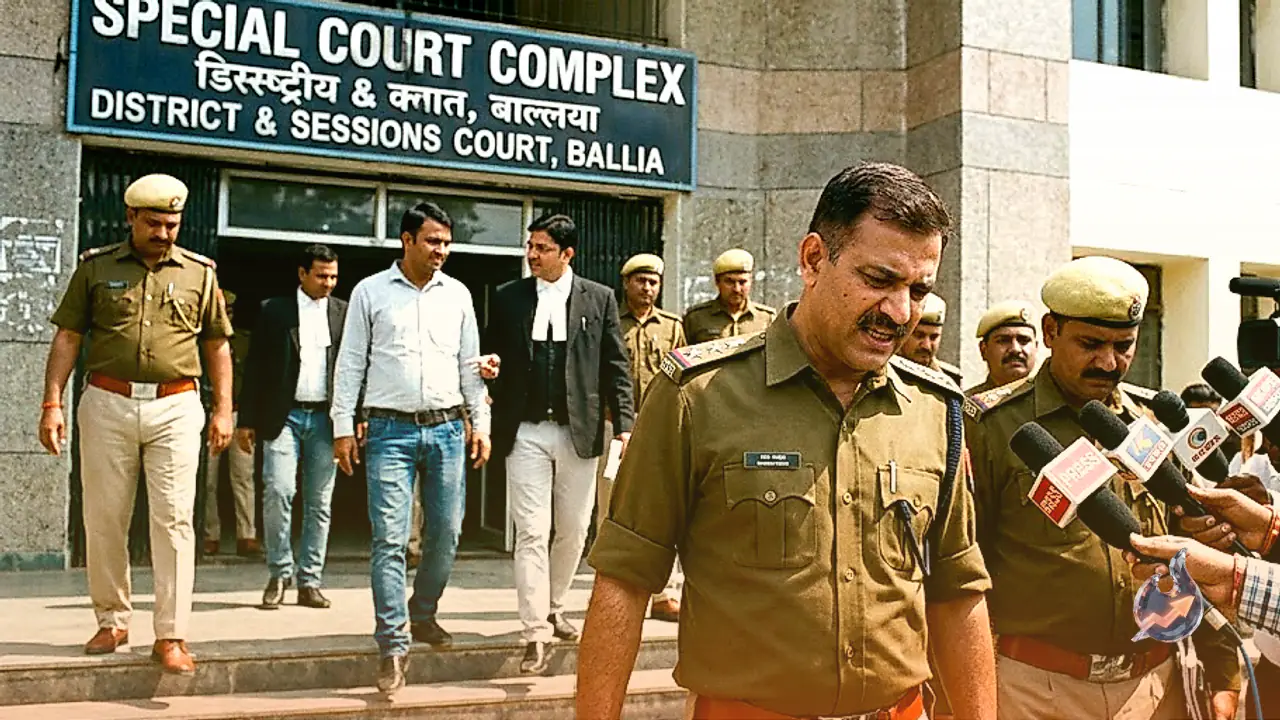

Law enforcement authorities investigating the high-profile murder of Ballia businessman Sunil Yadav have suffered a significant legal setback. The Special Judge presiding over the Gangster Act court explicitly rejected a crucial police application seeking the custody remand of three key accused in the case. The court's decision has effectively stalled the immediate investigative plans of the police, as the judicial authority found the arguments and evidence presented by the prosecution completely insufficient to justify handing the suspects over for custodial interrogation.
Stalled Investigative Plans
The police department had approached the special court with the objective of securing the remand of Pankaj Rai, Laxmi Narayan Choubey, and Shravan Dubey, who is also known as Chhotak Dubey. The investigating officers vehemently argued that bringing these three individuals into direct police custody was absolutely vital for a comprehensive probe under the stringent Gangster Act. According to the prosecution's narrative, all three suspects operated as active members of a single, unified criminal syndicate. The police claimed that in order to unravel the full extent of this gang's operations and to expose the deeper conspiracy behind the murder, a detailed and sustained interrogation was critically required.
Defense Exposes Flaws in the Prosecution's Theory
However, the defense strategy completely derailed the police's narrative. Advocate Keshav Narayan Pandey, alias Sunil, representing the accused, launched a fierce counter-argument that dismantled the prosecution's foundational theory. The most striking argument presented by the defense lawyer was a direct contradiction of the police claim regarding the suspects' affiliations. He informed the judge that the individuals whom the police were attempting to club together as members of a single criminal gang actually belong to fiercely opposing factions. The defense emphasized that these men are sworn, bitter enemies of one another in reality. Therefore, the very premise of labeling them as co-members of one syndicate to demand police remand was factually flawed and defied basic logic.
Remand Denied Due to Lack of Evidence
Furthermore, the defense counsel scrutinized the evidentiary backing of the police request. He strongly argued that the prosecution had miserably failed to place any concrete evidence or substantial grounds on the judicial record that could warrant a remand order. After patiently hearing the extensive arguments from both the prosecution and the defense, and after a meticulous examination of the materials available on the record, the court concurred with the defense. The Special Judge dismissed the police application, a move widely perceived as a major procedural failure for the investigating team.
Future Implications for the Gangster Act Case
The implications of this ruling are quite serious for the progression of the Gangster Act charges. The court's refusal to grant custody highlights a significant gap in the police investigation and their ability to substantiate initial claims. Currently, the legal proceedings in this sensitive matter will have to strictly follow the subsequent directives issued by the court. All eyes are now focused on how the police will navigate this roadblock and what future actions they will take under the Gangster Act provisions, given that their core theory has been judicially rebuffed. The authorities will now have to work much harder to build a legally sound case based on undeniable forensic and material proof rather than theoretical gang affiliations.
Flashback to the Gruesome Crime
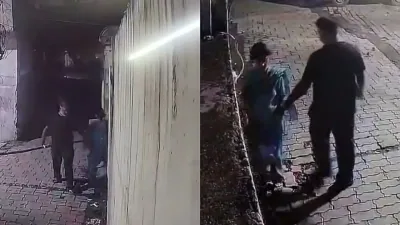
The roots of this entire legal battle trace back to a gruesome crime committed last year. On September 20, 2025, the region was shaken by the brazen daylight assassination of Sunil Yadav, a local tent businessman. He was fatally shot at Nirupur Chatti, an area falling under the jurisdiction of the Haldi police station in Ballia. This shocking murder served as the primary basis for the police to invoke the severe provisions of the Gangster Act against the alleged perpetrators. Following the court's recent refusal to grant remand, the police will now be forced to reassess their investigative approach and gather far more compelling evidence to push the case forward.