

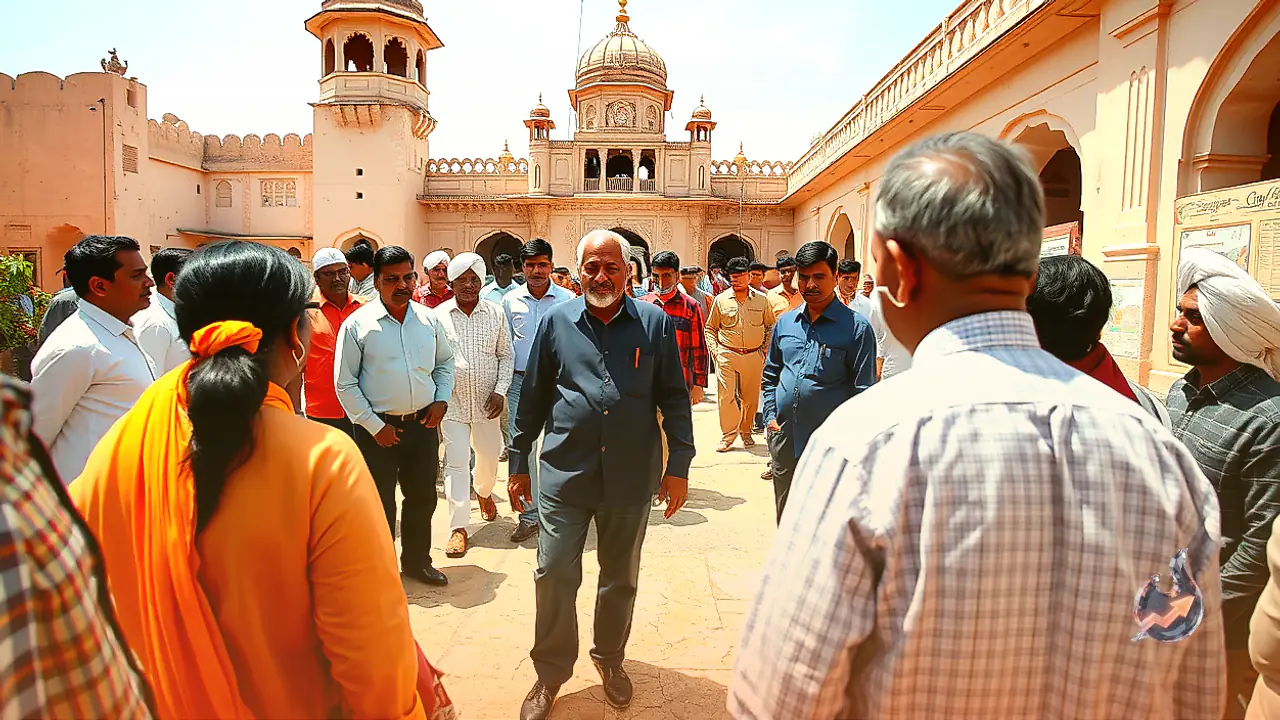
















Meerut holds immense significance from both mythological and historical perspectives, housing numerous heritage landmarks associated with the eras of the Ramayana and the Mahabharata. Recognizing the depth of these cultural roots, the Department of History at Chaudhary Charan Singh University has undertaken an initiative to document the region's ancient folklore and oral legends. The project aims to collect and structure these living memories so that the region's rich historical timeline can be preserved for coming generations.
Preserving Oral History Alongside Written Archives
Prof. Krishna Kant Sharma, Head of the Department of History, noted that thousands of years of traditions within Indian culture have traveled across generations by word of mouth. While modern scholarship often places paramount emphasis on written archives, physical records remain vulnerable to decay and destruction over centuries. Conversely, memories carried in the collective consciousness of local communities and shared from person to person serve as a profound foundation for historical inquiry.
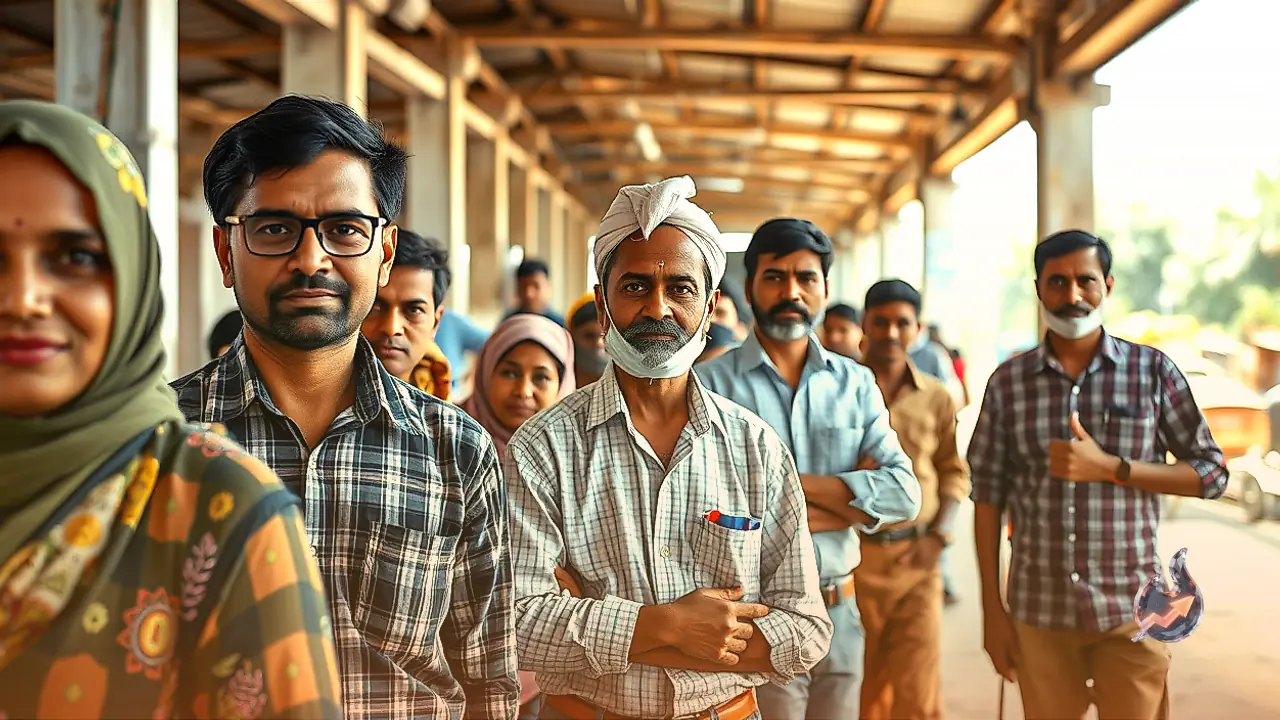
Under this initiative, a dedicated research team from the history department will conduct conversations with individuals who have observed historical developments or inherited traditional accounts from their elders. All of these interviews will be preserved through video recording. Following the field visits, scholars will evaluate historical facts and context to assemble a comprehensive documentary file, establishing a structured archive of oral traditions and local legends.
Validating Hastinapur's Living Memories Through Modern Research
In modern times, travelers visiting ancient sites routinely learn about the significance of landmarks directly from the residents living there. In Hastinapur, for instance, locals readily point out the specific locations where the Pandavas once offered their prayers, where they took their ritual baths, and where their royal palaces once stood. These accounts represent an unbroken chain of living traditions passed down over countless centuries.
The individuals sharing these narratives today received them from their ancestors, who in turn learned them from earlier generations. This millennia-old continuum of shared memory will now be systematically examined and corroborated using methods from oral history and archaeological survey, bridging local storytelling with rigorous historical documentation.
Landmarks from the Eras of Ramayana and Mahabharata in Meerut
Within the geography of the Mahabharata, the Meerut region occupies a central place. Hastinapur continues to feature ancient temples and palace structures that are traditionally dated to the Mahabharata era. Alongside these sites, Meerut is home to Gagol Teerth, which is recognized as the sacred hermitage where Maharishi Vishwamitra performed his penance and where Lord Shri Ram arrived accompanied by Lakshman.
Furthermore, the region is linked to the dawn of the Kali Yuga through historical associations with Qila Parikshitgarh. This systematic research initiative offers young scholars a clearer window into understanding regional heritage through a critical historical lens, creating a valuable repository for future academic researchers.