


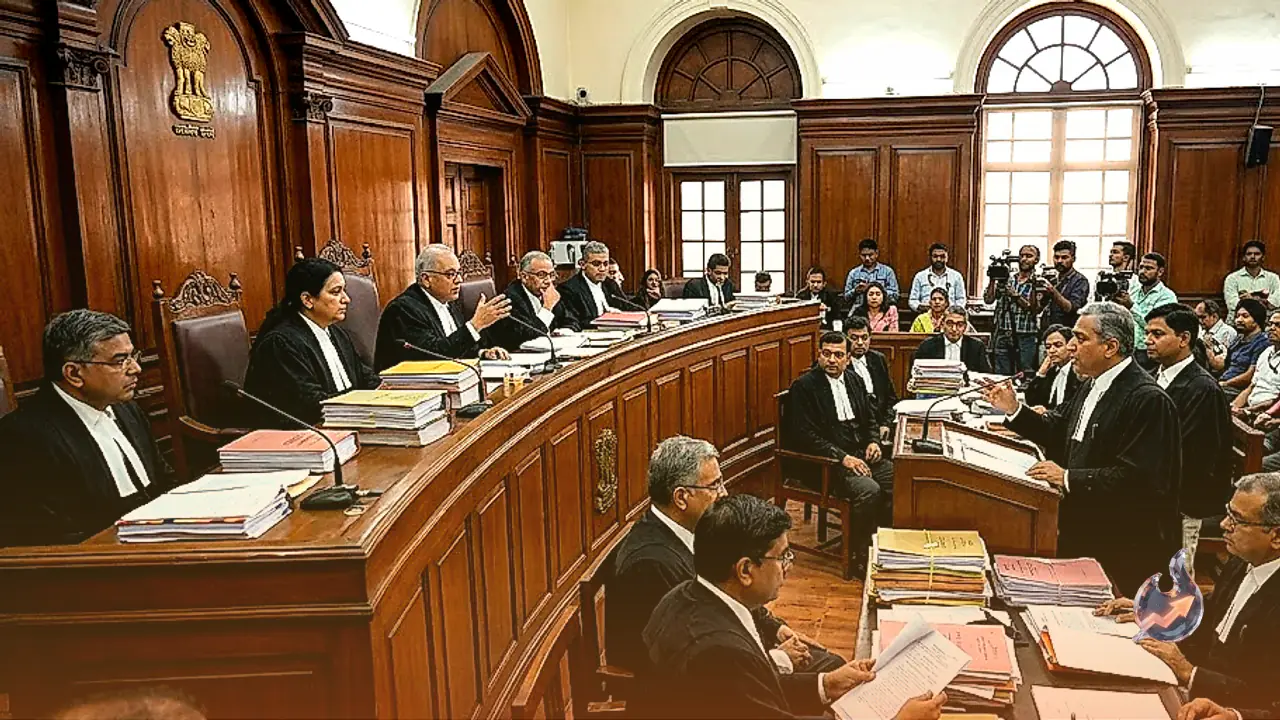
















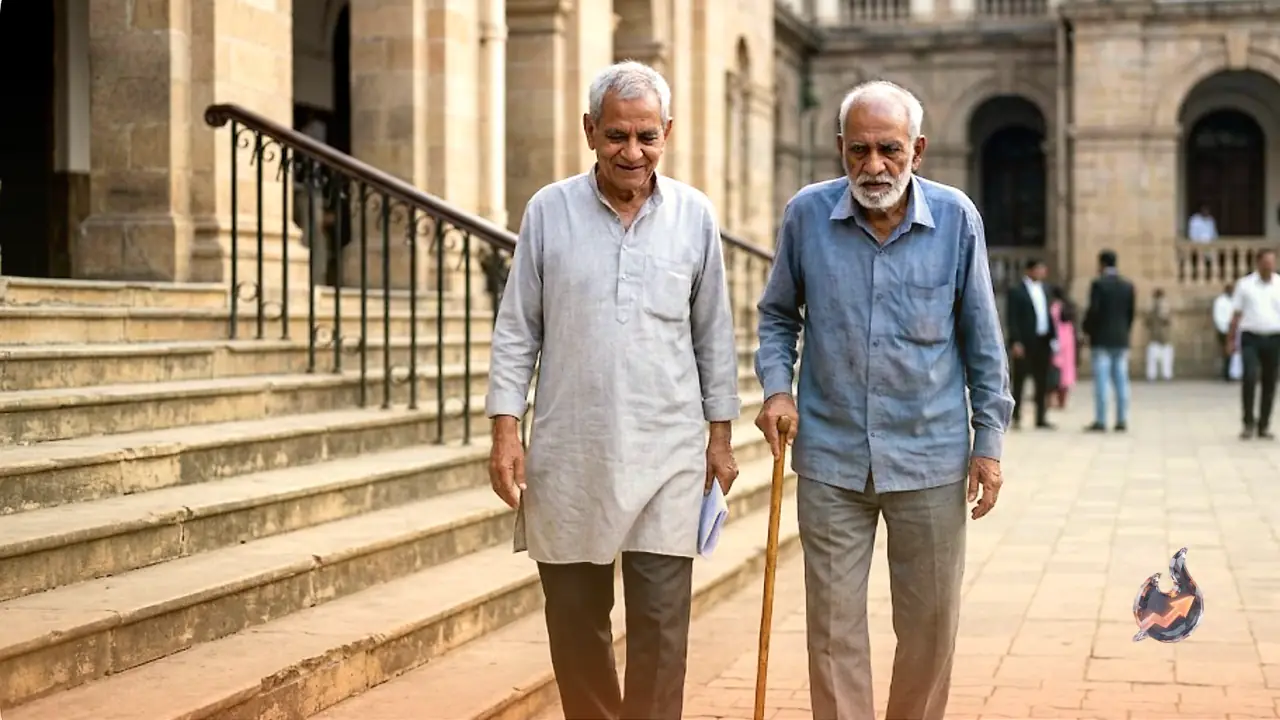

A robbery case that began four decades ago has finally reached its conclusion, but the verdict has turned the whole story on its head. The Allahabad High Court upheld the conviction and sentence of two men in an armed dacoity that took place in a village in Fatehpur district back in 1984, yet ordered them released on probation rather than sent to prison. The court pointed to three key reasons: their advancing age, the absence of any prior criminal record, and the full 39 years it took for the appeal to be decided. It also directed that the victims be paid Rs 75,000 in compensation.
The single bench of Justice Santosh Rai delivered the order on 23 June. The court noted that the criminal appeal had been pending since 1986, with the accused living in this state of limbo for nearly four decades. Both men are now over 60 years old, and no other criminal case has been registered against them in all these years. The bench held that Dhunna and Shivbhushan are first-time offenders rather than habitual criminals, and so deserve a chance to reform.
What happened in the village that night
According to the prosecution, the incident took place on the night between 23 and 24 December 1984. In Kazi Ka Purwa village, under the Husainganj police station limits of Fatehpur, a man named Chittan was asleep outside his home on the chaupal, while the rest of his family was indoors. Around midnight, four miscreants arrived. Three of them began beating Chittan and pressed him to get the door of the house opened, while the fourth accused climbed onto the roof carrying a gun.
When the door stayed shut, the miscreants tried to break it down. In the commotion, Chittan's wife and daughter cried out loudly and eventually opened the door. It is alleged that the intruders then forced their way inside and assaulted both women as well.
Villagers caught three of the gang on the spot
Hearing the cries from inside and outside the house, villagers grew alert and rushed to the scene armed with sticks and torches. Seeing the crowd close in, the miscreants began to flee. They were carrying a gun, a country-made pistol, an axe and torches, and were trying to escape after the robbery. The villagers, however, seized three of the accused right there. Those caught gave their names as Dhunna, Maiyadin and Shivbhushan, while one of their accomplices managed to get away with the gun. Several villagers were injured in the course of the incident.
Trial court handed down a 7-year sentence
The case was tried in the lower court, and on 18 September 1986 the Additional Sessions Judge, Fatehpur, convicted all three accused under Sections 394 and 397 of the IPC and sentenced them to seven years of rigorous imprisonment. Shivbhushan was given an additional one-year sentence under Section 25 of the Arms Act. An appeal against this sentence was filed in the High Court, but while it was still pending, the accused Maiyadin died.
What the accused argued in the High Court
In the High Court, counsel for the accused argued that their clients had been falsely implicated and had committed no robbery. The lawyers also pointed to contradictions in the statements of the witnesses. They further submitted that both accused are now senior citizens and that, with the appeal pending since 1986, they should be granted the benefit of probation.
The court, however, rejected these arguments, stating clearly that the FIR fully records that four miscreants had arrived with the intent to commit dacoity and had injured the complainant along with others. In its judgment, the court affirmed several key findings:
- The FIR and the written complaint clearly record the entire episode of robbery and assault.
- The recovery of weapons and items was proved by the prosecution.
- The role of the accused and their presence at the scene were established.
- All the accused were carrying out the dacoity with a common intention.
On these grounds, the High Court upheld the conviction.
So why no jail
Despite affirming the conviction, the court accepted that the accused are first-time offenders with no criminal history. Both are now past 60, and the appeal took nearly 39 years to be decided. Taking these special circumstances into account, the High Court ordered them released on probation instead of being sent to prison, and directed that Rs 75,000 in compensation be paid to the victims.