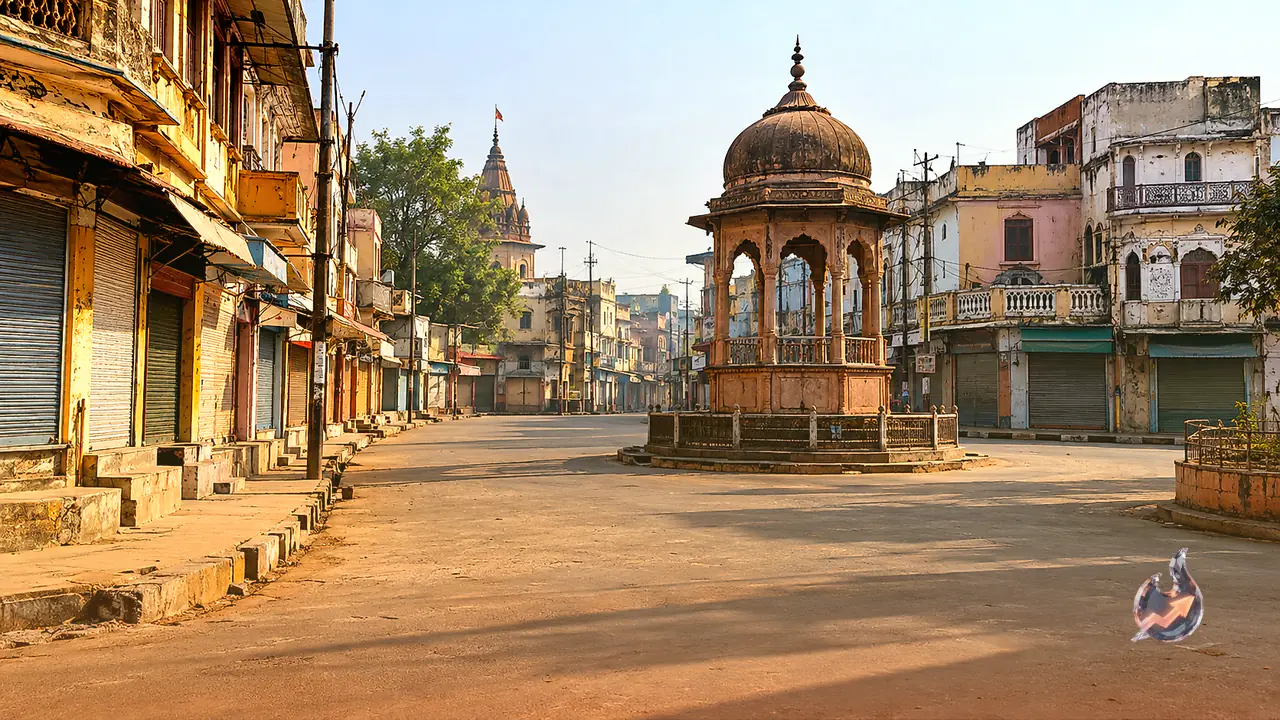
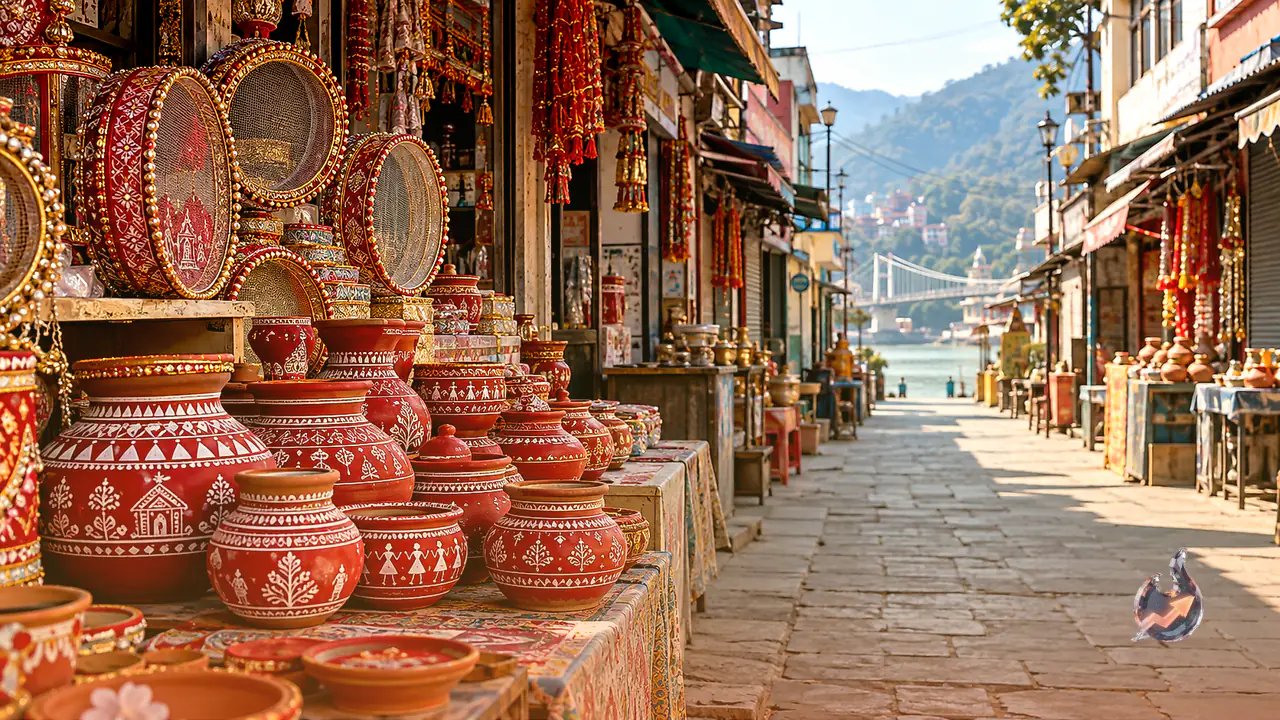














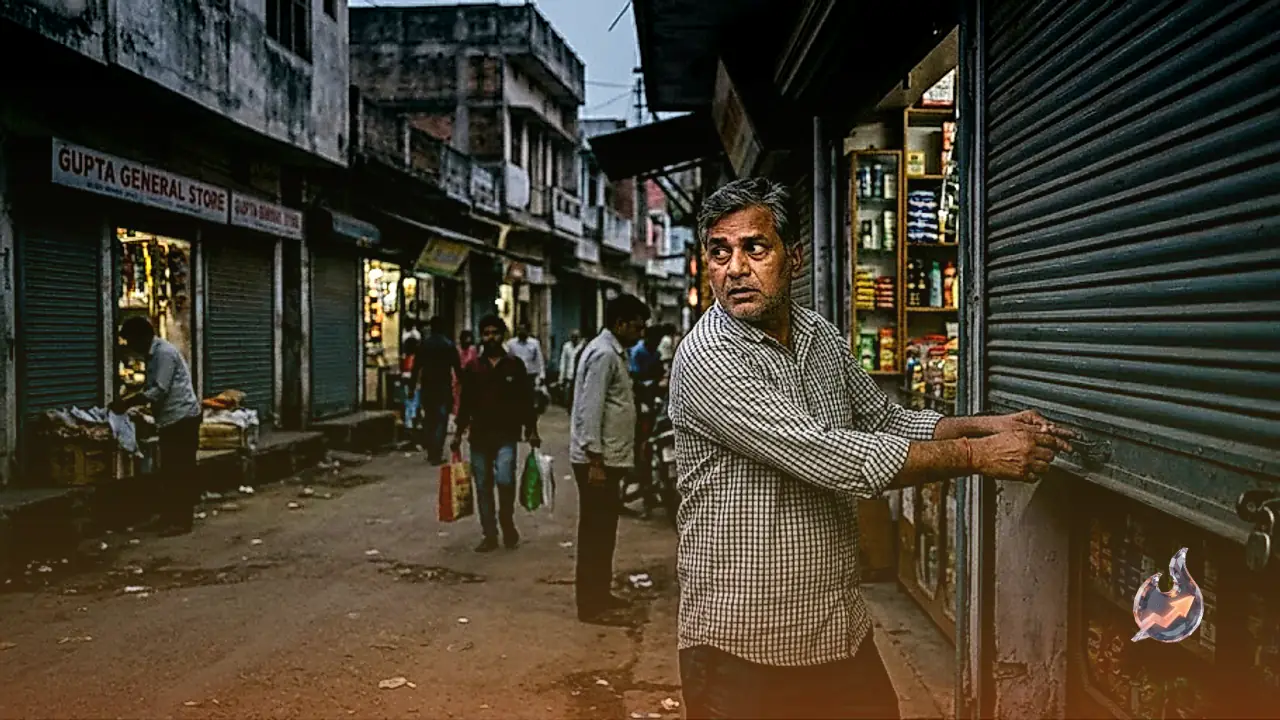

The bustling Ranipur market in the Mau district of Uttar Pradesh finds itself enveloped in complete darkness as soon as dusk falls each evening. Due to the total absence of streetlights across the market area and along the main Ranipur-Mau thoroughfare, shopkeepers, local traders, and visiting shoppers are forced to navigate the area under constant apprehension. By 6 PM, visibility drops drastically, compelling merchants to roll down their shutters early out of fear of potential accidents and unforeseen incidents. This systemic administrative delay has not only paralyzed local commercial activity but has also transformed evening commutes into a hazardous ordeal for everyday passersby.
Daytime Heat and Nighttime Darkness Cripple Local Businesses
A significant portion of the commercial ecosystem in Ranipur market relies on small-scale vendors, wooden kiosk operators, and handcart merchants. These micro-entrepreneurs lack the financial capacity to arrange independent power generators or temporary high-wattage lighting, making public street illumination an indispensable necessity for their daily survival. During the daytime, scorching heat and harsh sunlight deter residents from venturing out to shop, leaving business sluggish until late afternoon. Consequently, shopkeepers eagerly count on the evening hours to make their daily sales.
However, with no municipal lighting available between 6 PM and 7 PM, merchants have no choice but to wrap up their operations prematurely. Local shopkeeper Ankit pointed out that the lack of streetlights forces the entire marketplace to close down by 6 PM, cutting short their prime selling hours. He emphasized that if the administration installs streetlights throughout the market, shopkeepers would be able to keep their establishments open well into the night. Extended operating hours would not only boost daily revenue for struggling merchants but also stimulate overall employment and economic growth within the region.
Rising Traffic Hazards and Urgent Demand for Speed Breakers
The situation along the Ranipur-Mau main road is equally concerning, where pitch-black conditions severely compromise road safety after sunset. Driver visibility is drastically reduced, raising the danger of collisions between fast-moving vehicles and pedestrians attempting to cross the unlit street. Local resident Bunty voiced serious anxiety over the escalating risks, stating that navigating the Ranipur-Mau main road in the dark has led to a noticeable surge in traffic accidents across the market strip.
To curb the growing frequency of road mishaps, Bunty urged authorities to pair the streetlight installation with the construction of speed breakers along the main road. The absence of speed bumps currently allows commuters and freight vehicles to travel at unchecked speeds, which becomes extremely dangerous when combined with poor night illumination. Implementing proper speed control measures alongside adequate street lighting would drastically reduce road casualties, while allowing shopkeepers who currently flee early due to safety concerns to operate with confidence.
Repeated Appeals Fall on Deaf Ears as Traders Demand Action
Resentment continues to brew among Ranipur residents and business owners over the persistent administrative inaction. Local community members report that they have submitted numerous petitions to public representatives and escalated the matter to relevant administrative officials on multiple occasions. Despite repeated pleas and formal complaints highlighting the plight of the marketplace, no concrete steps have been taken by the authorities to resolve the lighting deficit.
Traders fear that the pervasive darkness creates fertile ground for criminal activities and avoidable road tragedies. The business community and local commuters have collectively renewed their demand for the state government and district administration to intervene immediately. They urge officials to prioritize the installation of streetlights in Ranipur market and erect speed breakers on the main road without further delay, ensuring a safe environment for nighttime commerce and public transit.