























The historical city of Agra in Uttar Pradesh is renowned across the globe for its magnificent heritage and ancient architectural marvels. While hundreds of grand structures were erected here during the Mughal era, several notable infrastructures built during the British colonial period also continue to stand today as enduring testaments to history. Among these historical landmarks is an old British-era water tower situated near the Idgah Railway Station in Agra. In bygone days, this elevated water tank served as a vital water supply hub for a vast surrounding territory. Massive volumes of water were collected and stored inside the tank, which was then systematically distributed to meet the daily needs of nearby residential and commercial localities.
Architectural Splendor and Visual Resemblance to India Gate
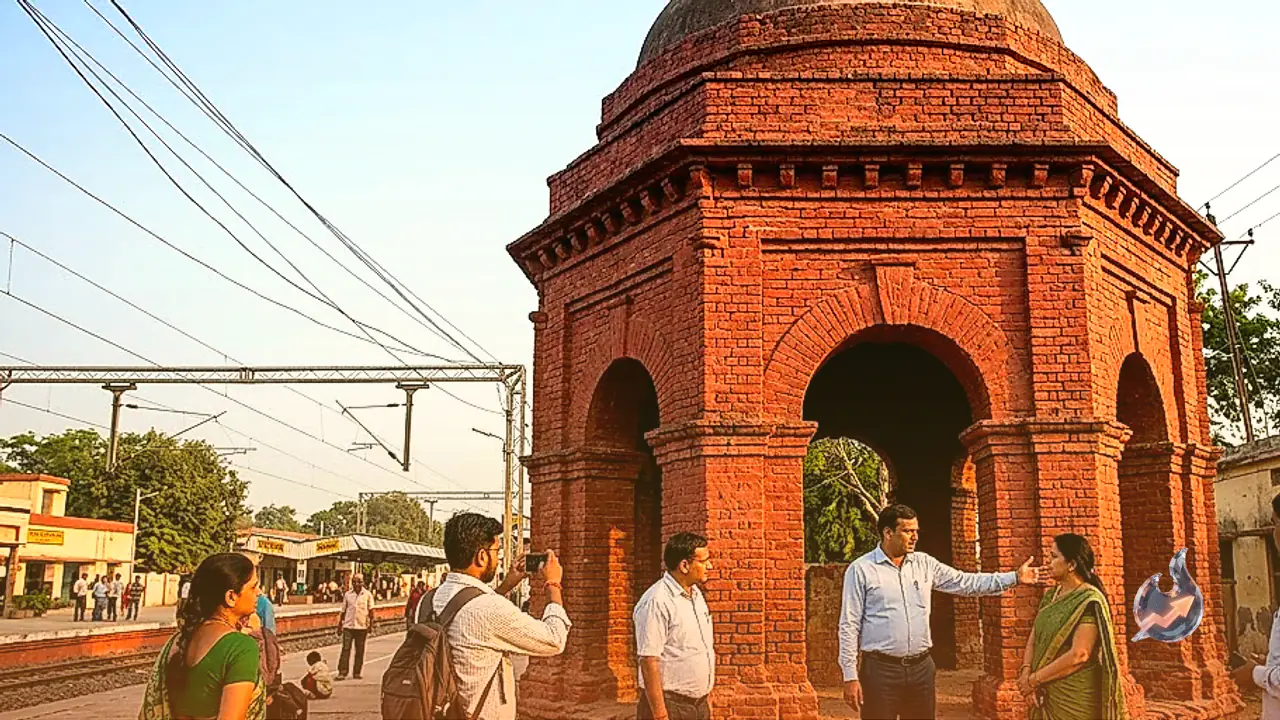
Located near the Idgah Railway Station, this historic water tower naturally catches the eye of passersby due to its impressive height and distinctive design. When viewed from a distance, the towering structure bears a striking architectural resemblance to the iconic India Gate. Because of its considerable elevation, the water tank remains clearly visible from far-off points across the neighborhood. As Agra undergoes rapid modern development and urban transformation, this vintage British-era structure stands firmly in its place, offering a evocative glimpse into the city's past and reminding residents of its historical civic engineering.
Sturdy Construction Using Traditional Kakaiya Bricks
According to local historical accounts, the water tower was engineered during the British administration. The most defining feature of this structure lies in its unique construction methodology and the vintage materials utilized in its creation. The building was constructed using Kakaiya bricks, which are also commonly referred to by many as Akbari bricks. Made from dense, durable red clay, these small traditional bricks impart extraordinary structural strength and a rich historical aesthetic to the tower. From a distance, the tall red-brick edifice looks remarkably like a preserved monument, showcasing the remarkable craftsmanship of that era.
Evolution of Urban Water Supply and Current Heritage Status
Over the decades, as Agra expanded significantly in footprint and population, advanced modern water supply mechanisms were introduced to cater to the growing civic demands. Consequently, the operational reliance on this traditional water tower gradually declined, ultimately leading to its decommission. For many years now, the tank has no longer functioned as an active water storage facility, transitioning instead into a recognized historical artifact. Although it no longer supplies water to the surrounding areas, the structure remains a cherished piece of Agra's heritage, reflecting the historical infrastructure and changing urban landscape of the city.