




















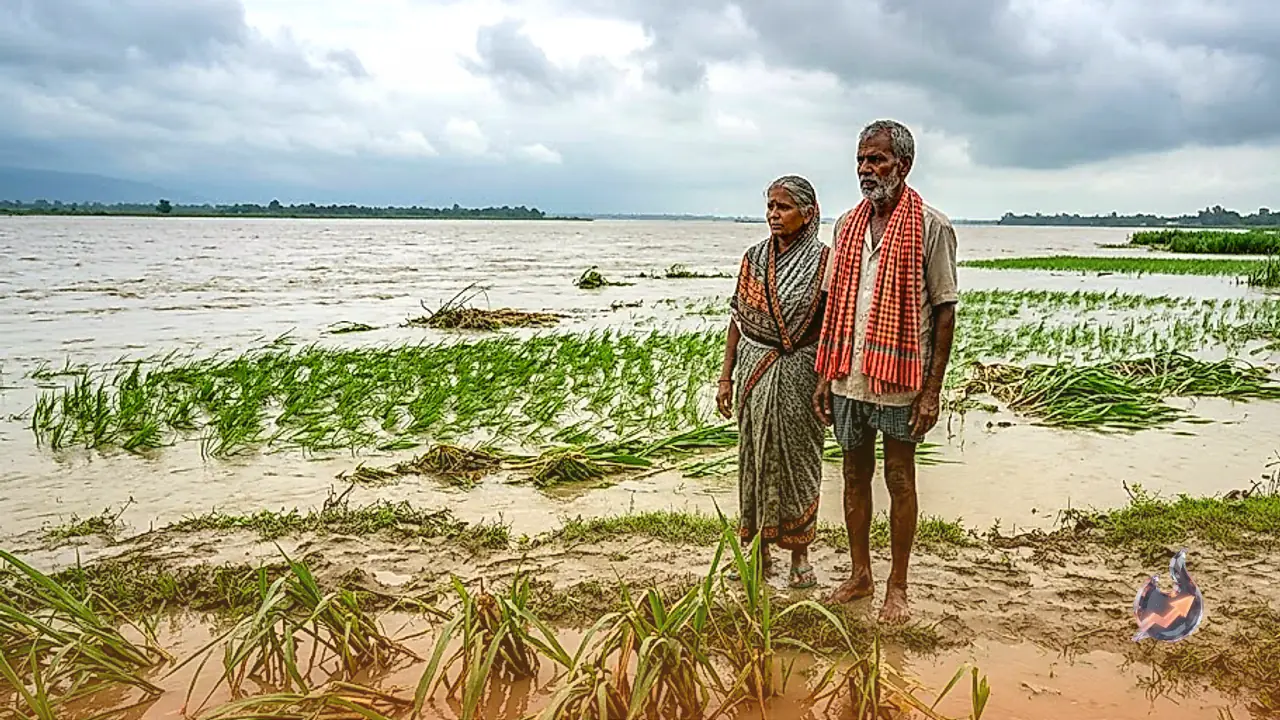

Monsoon season carries two faces for farmers in Uttar Pradesh's Maharajganj district, a little rain nurtures the fields, but heavier spells turn into floods that swallow an entire season's work within hours. Villages sitting along the Indo-Nepal border in this district live through this cycle every single year, watching their standing crops disappear under floodwater almost as soon as it arrives.
Rivers swell the moment it rains across the border in Nepal
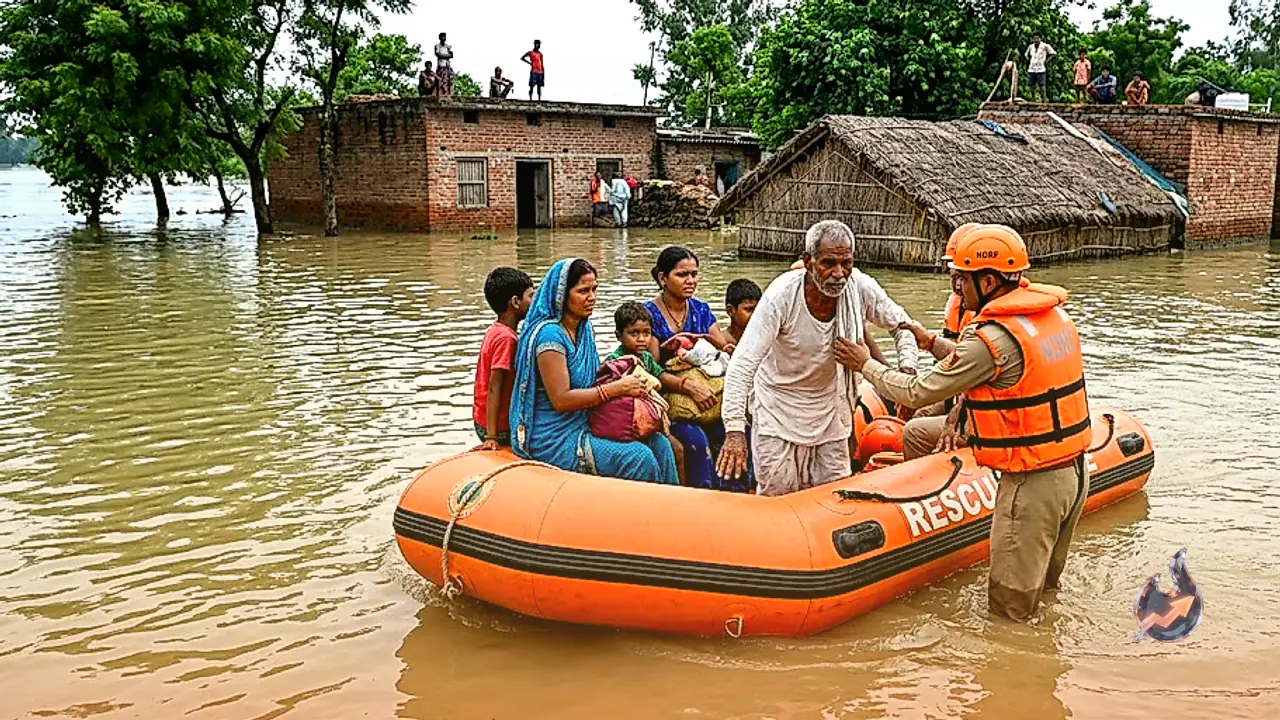
Several rivers, big and small, originate in the hills of Nepal and flow through Maharajganj district, among them the Gandak river and the Jharahi river, also known locally as the Pyas river. Thousands of acres of farmland belonging to border-area farmers lie along the banks of these rivers. As soon as the monsoon sets in and rainfall intensifies in Nepal's hills, the water level in these rivers starts climbing, and that rise crosses straight into the fields on the Indian side.
A season's labour wiped out in days
Whenever the hilly regions of Nepal receive heavy rain for two or three consecutive days, thousands of acres of crops belonging to farmers in these border villages get submerged. The crop that farmers nurture through an entire season with hard work starts getting destroyed right in front of their eyes. During this kind of flooding, paddy, sugarcane and other seasonal crops bear the brunt of the damage, since these are the crops standing in the fields at that time of year.
The same devastation, year after year
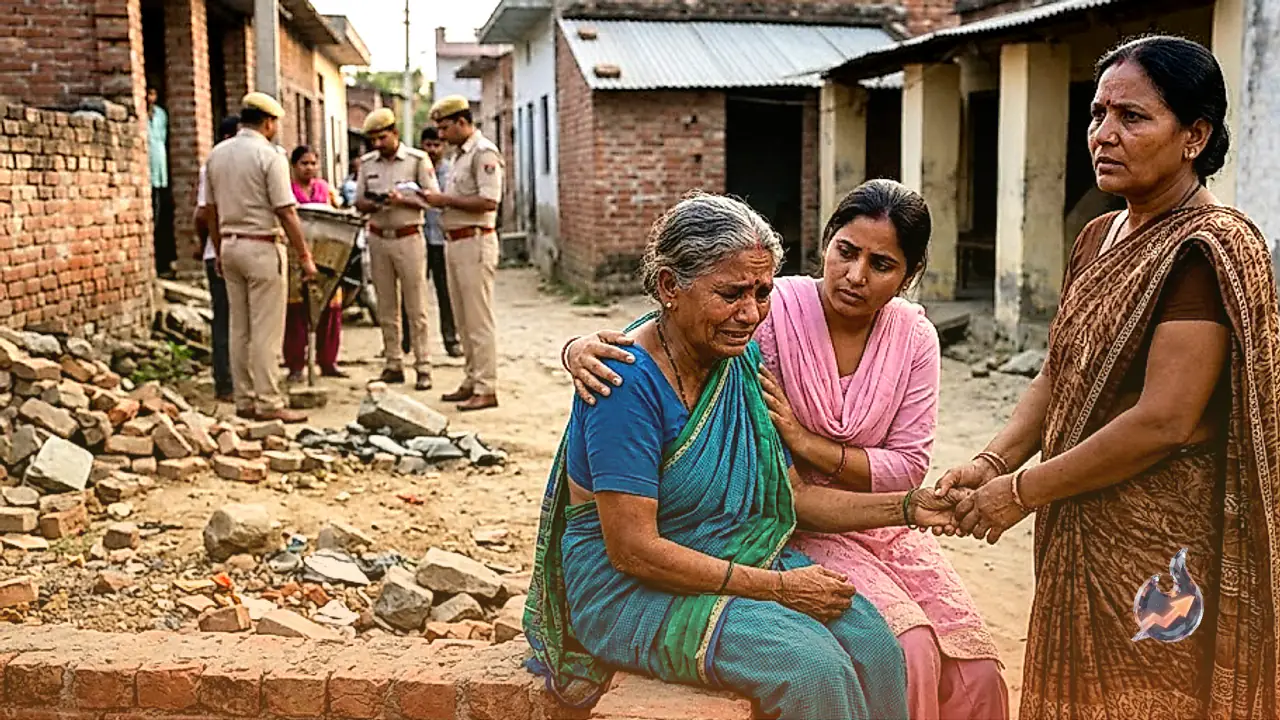
Most villages in Maharajganj's Indo-Nepal border belt struggle with flooding through the monsoon season. The moment heavy rain begins in the hills, the rivers flowing down from there rise rapidly, and the impact lands directly on the villages settled along this border. As floodwater spreads, hundreds of acres of crops belonging to local farmers begin to go under. This struggle is nothing new for these farmers, it is a scene of destruction they are forced to witness every single year. The crop they build up with their own hard work through the season is the same crop they watch drown before their eyes once the rains intensify. Despite this recurring loss year after year, no permanent arrangement has been put in place to prevent it, leaving farmers to bear the pain of it again and again. Many farmers in this border belt depend entirely on these fields for their livelihood, so the floods bring them serious financial hardship on top of the crop loss.
Even stepping out of the house becomes difficult
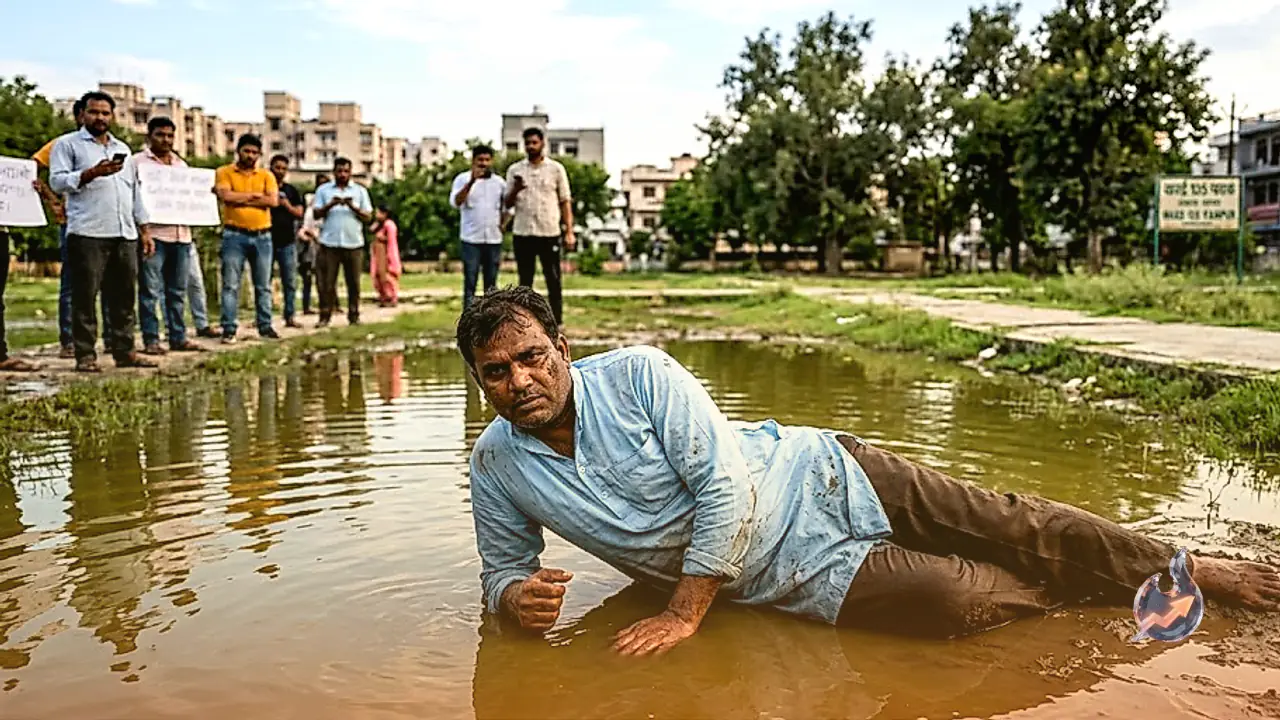
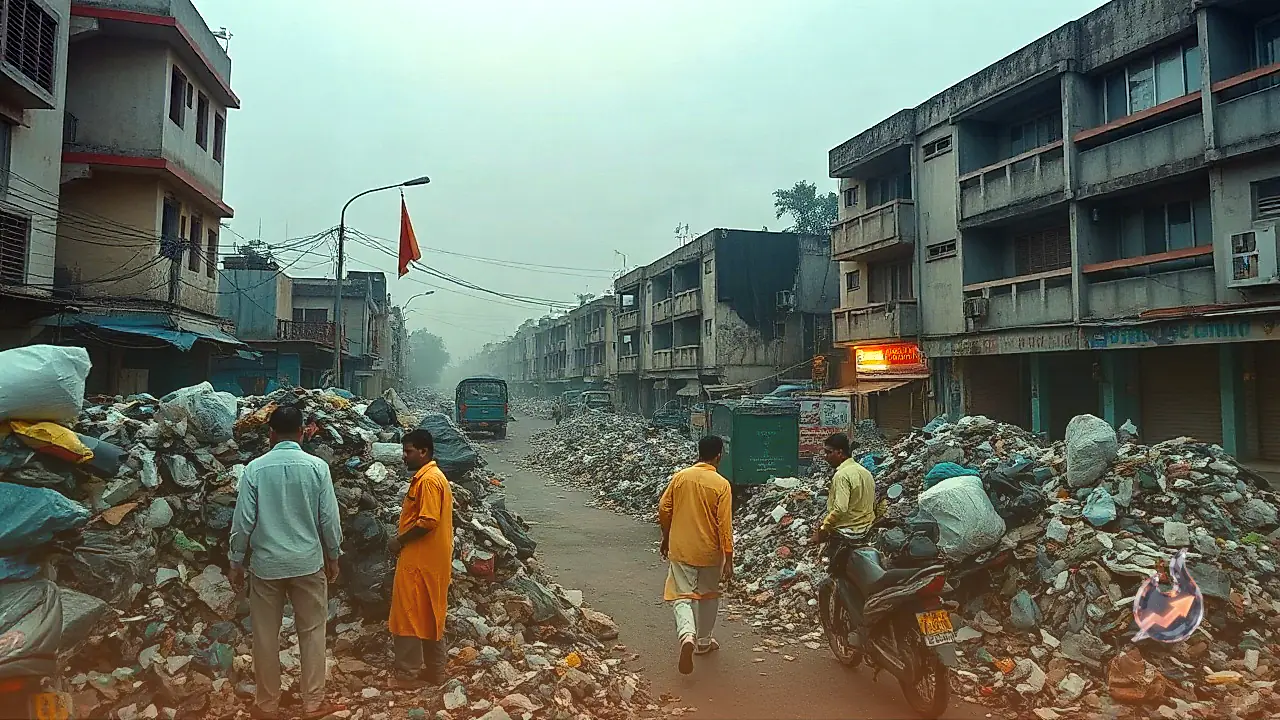
The damage does not stop at the fields. Once the rains begin, water starts collecting across Maharajganj's border areas, affecting not just the crops but also the day to day lives of the people living there. Several border villages under the district's Nichlaul area, including Bhedihari, Sohgibarwa, Shikarpur and Bhotaha, see water accumulate whenever rainfall is heavy, making it difficult for residents to even step out of their homes.
Farmers who get only one growing season pay the heaviest price
Flooding here affects more than farmers' finances, it disrupts the social life of the entire region. Most farmers in this area own fields located close to the rivers, which means they can only cultivate a single season in a year. When floods arrive during the monsoon, that one season's harvest fails entirely, wiping out their main source of income for the year. Farmers along these riverbanks currently have no concrete way to protect themselves from this repeated loss, so every monsoon brings them face to face with the same devastation all over again.