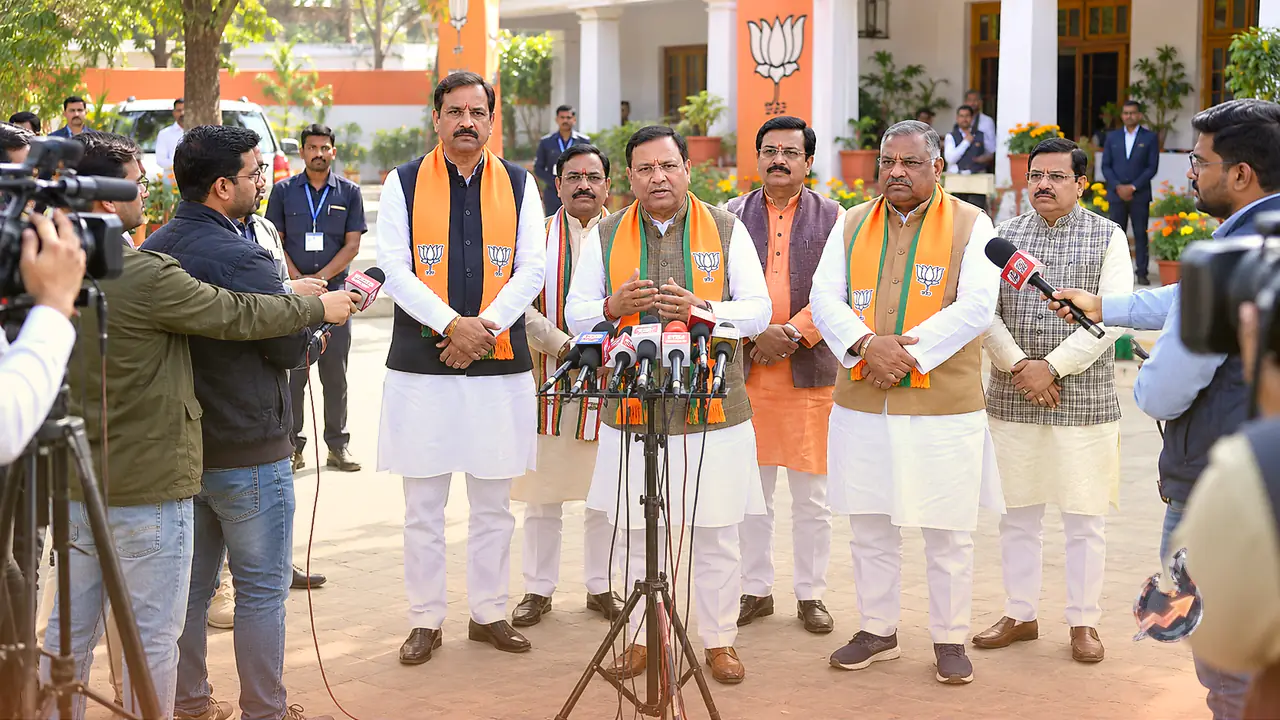

















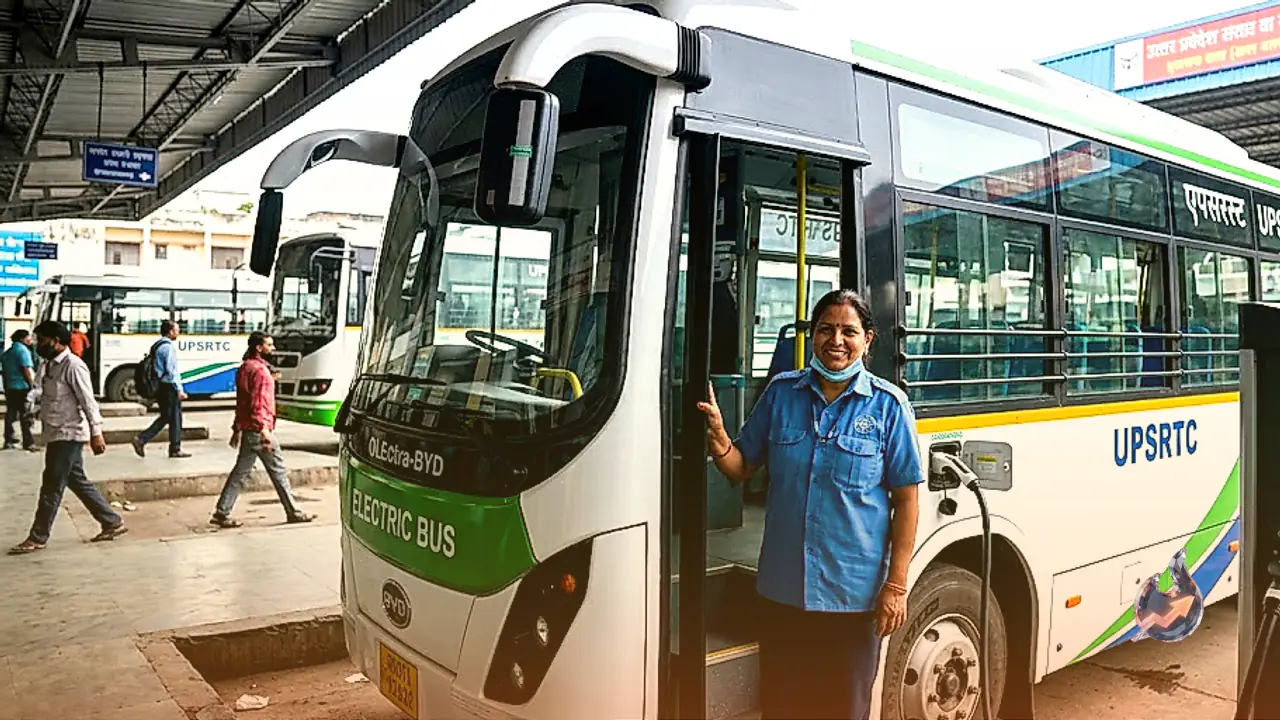

Uttar Pradesh's state cabinet, chaired by Chief Minister Yogi Adityanath, has cleared a proposal to expand the fleet of the Uttar Pradesh State Road Transport Corporation with 250 new electric buses, a purchase that will cost a total of 425.50 crore rupees.
What the new buses will look like
Finance Minister Suresh Khanna said after the meeting that the fleet will get two categories of buses. Of these, 100 electric buses will be 12 metres long, built in a 3x2 Type-II layout with 50 seats, while the remaining 150 electric buses will also be 12 metres long but built in a 2x2 Type-III layout with 41 seats. The government says these buses will make public transport in the state more modern, environment friendly and better suited to passenger comfort.
How the 425.50 crore rupees will be funded
Of the total 425.50 crore rupee cost, the bulk will come from the state government, which has made a provision of 400 crore rupees for financial year 2026-27. The remaining 25.50 crore rupees will be arranged by the Uttar Pradesh State Road Transport Corporation from its own resources, meaning the government and the corporation will jointly fund the rollout.
Priority for manufacturers based in Uttar Pradesh
The Yogi Adityanath government has also decided to give priority to manufacturers based in Uttar Pradesh while procuring these buses. The idea is to let local industry benefit from this large order, giving a push to industrial activity, production and investment within the state.
The decision is also tied to new Delhi entry rules
The move is not just about growing the bus count, it is also preparation for stricter rules due to kick in over the coming months. From 1 November 2026, under directions from the Commission for Air Quality Management, only CNG, electric and BS-6 category vehicles will be allowed to enter Delhi. With the new electric buses joining the fleet, Uttar Pradesh Roadways will be able to meet these conditions well in time, keeping bus operations in the National Capital Region running without disruption.
Aim to cut pollution and improve passenger facilities
These electric buses will ply on routes to the state's major religious sites, tourist destinations and urban areas, offering passengers a cleaner, safer and more modern ride. Reduced dependence on diesel buses will also help cut air pollution, benefiting the environment directly.
New jobs expected to follow
As the fleet grows, the transport corporation will need more drivers, conductors and skilled and unskilled staff for technical maintenance, directly creating new employment opportunities. Businesses around bus stations, including dhabas, restaurants and other passenger facilities, are also expected to grow, indirectly adding to employment in the state.