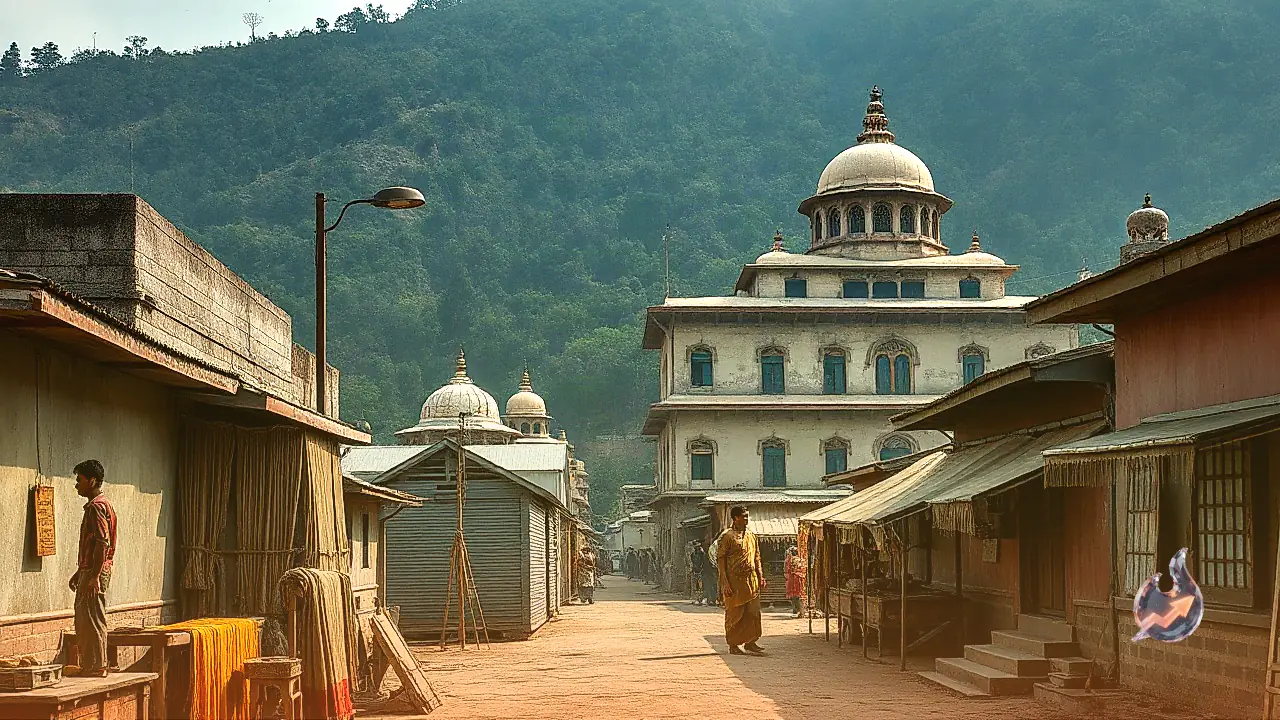



















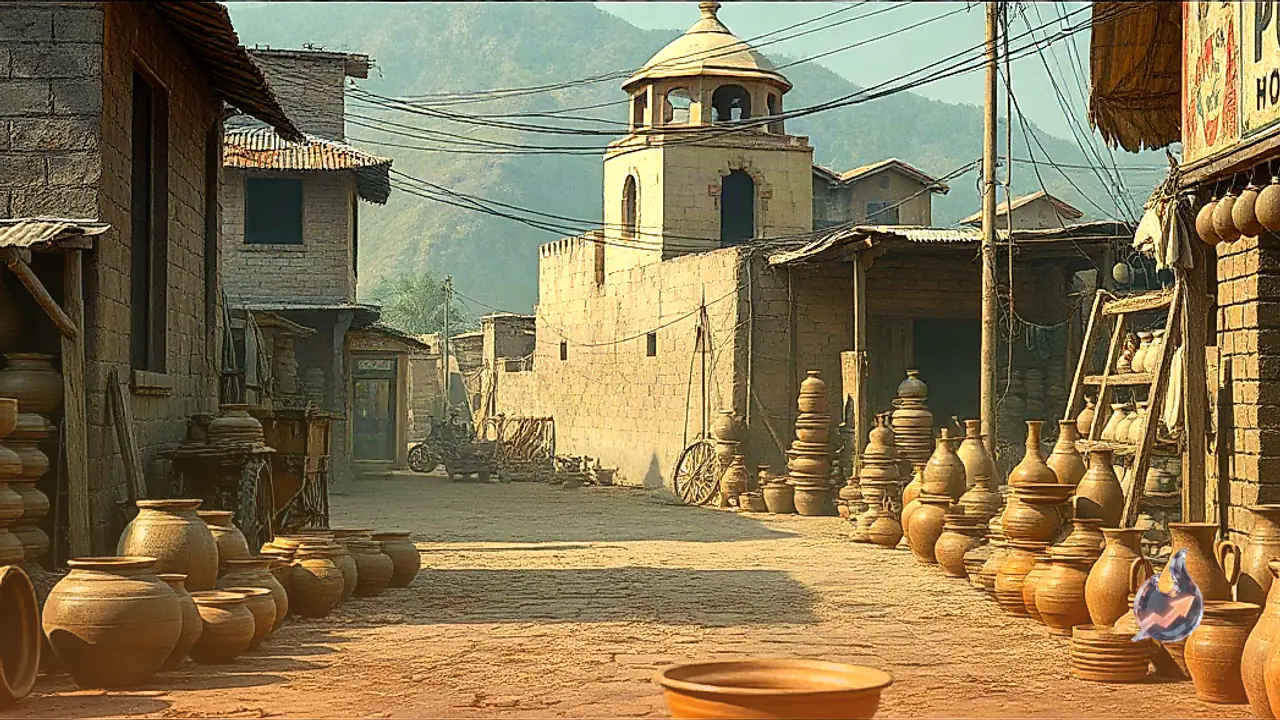

In Dehradun's centuries-old Kumhar Mandi, two very different stories are unfolding side by side. Children from families who have shaped clay for generations are walking away from the family trade, driven out by a shortage of clay, missing basic facilities and poor earnings, while well-off residents and young professionals in the same city are paying thousands of rupees to learn pottery as a hobby. That contrast is now raising a real question about the future of this old craft in Uttarakhand's capital.
A shortage of clay is breaking the trade
For the traditional potters who live and work in Kumhar Mandi, the biggest problem is simply not getting enough good clay. That shortage, combined with a lack of basic facilities and earnings that don't match the effort involved, has pushed many families to give up their ancestral occupation and look for other work. As a result, children in several potter households have stopped working the wheel and moved into different jobs in the city, and the craft's traditional stronghold is steadily losing ground.
For the city's elite, pottery has become a hobby and a stress buster
At the very moment traditional potters are watching their children drift away from the trade, pottery has become a new fashion among the city's affluent residents and young people. It is no longer seen only as an old occupation but as a fine art and a way to relieve stress. That is why people are paying course fees running into thousands of rupees to learn pottery professionally, even as the families who have practised the craft for generations struggle to hold on to it.
A childhood spent watching his uncle work the wheel
Amid this shift, artists like Kamaldeep Singh are trying to keep the craft alive. Kamaldeep is not a potter by profession himself, but his uncle used to live in Kumhar Mandi, and he has been drawn to clay since childhood. Watching pots, vessels and earthen lamps take shape on the spinning wheel fascinated him, and he loved both watching the process and trying his own hand at it. To carry his uncle's skill forward and pursue his own interest, he took up a course in fine arts and pottery after finishing school.
Kamaldeep Singh says the potters of the mandi are troubled by the shortage of clay, and that children in many potter families have given up this legacy, but he could not watch the craft die out, which is why he decided to learn it professionally and pass it on.
Teaching visually impaired children to shape clay by touch
Kamaldeep Singh also teaches pottery at NIPVD to children who cannot see. These children can only feel the clay by touching it, yet they are just as keen to shape vessels and toys out of soft clay as any other child. Kamaldeep believes clay can be learned through touch as much as through sight, and he works patiently to connect these children with the wheel and the material.
Trying to keep children connected to clay in the mobile phone era
Kamaldeep Singh also teaches at other schools across Dehradun, with the aim of keeping children interested in earthen pots and idols the way earlier generations were, even in an age dominated by mobile phones and screens. The situation at Kumhar Mandi shows that there is still real demand for and appreciation of this craft; what traditional artisans need is proper clay, resources, a platform and recognition, so that this ancestral skill does not die out with the coming generations.