


















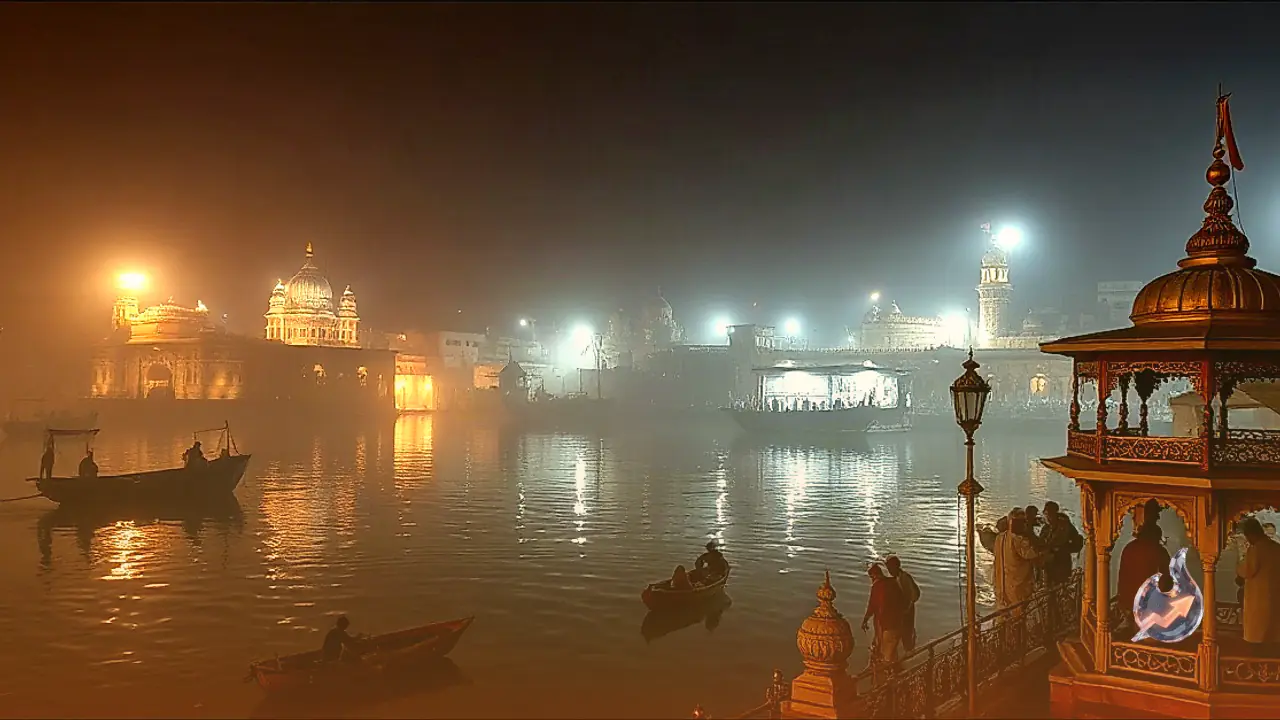

During the sacred period of Pitru Paksha, the holy town of Haridwar witnesses an influx of devotees arriving from every part of the country to pray for the peace, redemption, and salvation of their departed ancestors. Offering prayers, tarpan, and pind daan along the holy banks of the Ganga is a revered practice spanning centuries. While all banks of the sacred river hold great reverence, Kushavart Ghat, situated close to the famous Har Ki Pauri, carries an extraordinary significance for ancestral rites. Traditional belief holds that performing pind daan, water offerings, and ancestral havan at this historic bank directly grants peaceful release to departed souls.
Named After Sacred Kusha Grass Thickets
The origins and naming of Kushavart Ghat trace back to ancient times. According to local pilgrimage priest Pradeep Jha, dense clusters of sacred kusha grass once grew in abundance at this exact location along the riverbank. In Sanatan tradition, kusha grass holds an indispensable and revered role in both divine worship and rites performed for ancestors. Because of the natural abundance of this sacred flora, the riverfront came to be known as Kushavart. References to this revered spot are also documented across ancient spiritual scriptures, confirming its historical and spiritual standing.
The Legend of Lord Rama's Rituals for King Dasharatha
The deepest religious association of this riverfront belongs to the Treta Yuga. According to long-standing scriptural tradition, Lord Rama himself performed the sacred pind daan and tarpan rituals for his departed father, King Dasharatha, right here at Kushavart Ghat. This monumental event elevates the faith of pilgrims during the sixteen days of annual ancestral rites known as Shradh. Devotees firmly believe that conducting rites on the same sacred earth where Lord Rama prayed for his father brings eternal spiritual fulfilment to their own family lineages.
A Revered Penance Site of Lord Dattatreya
In addition to ancestral ceremonies, Kushavart Ghat is honored as a celebrated ground of profound ascetic meditation. Pilgrimage priests note that the deity Lord Dattatreya performed rigorous spiritual penance at this exact location. This enduring association with divine asceticism lends the site exceptional spiritual potency. Believers hold that carrying out memorial ceremonies on ground blessed by the meditation of Lord Dattatreya ensures that departed souls attain complete liberation from the cycle of worldly existence.
Historical Restoration by Queen Ahilyabai Holkar
Beyond its scriptural legacy, Kushavart Ghat possesses a distinguished architectural and historical heritage. Just as the history of Har Ki Pauri is intimately linked with King Bhartrihari, the structural preservation, renovation, and beautification of Kushavart Ghat are credited to Queen Ahilyabai Holkar. The renowned Holkar ruler systematically rebuilt and restored this ghat, enhancing its steps and access for visiting pilgrims. This royal restoration adds significant archaeological and cultural prominence to its religious identity.
Observances of Pind Daan, Havan, and Feeding Cows
Strict traditional guidelines govern the rites conducted at Kushavart Ghat throughout Pitru Paksha. Under the guidance of pilgrimage priests, worshippers perform tarpan with holy water, offer rice and sesame pinds, and conclude the ceremony with a dedicated ancestral fire ritual. Following these rites, feeding green fodder to cows is observed as an essential final obligation. According to scriptural guidelines, honoring the sacred cow completes the memorial offering. Priests affirm that meticulously executed rites satisfy the ancestors, bringing blessings of peace, harmony, prosperity, and lineage growth to the entire household.