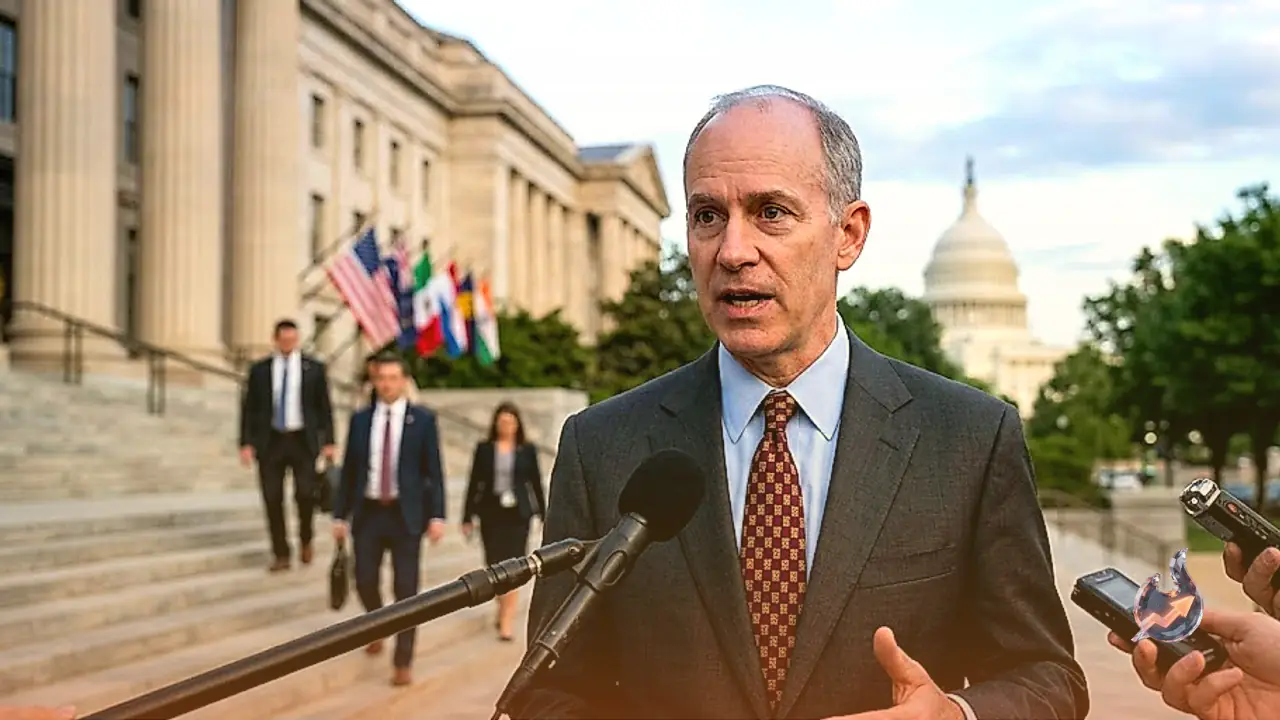






















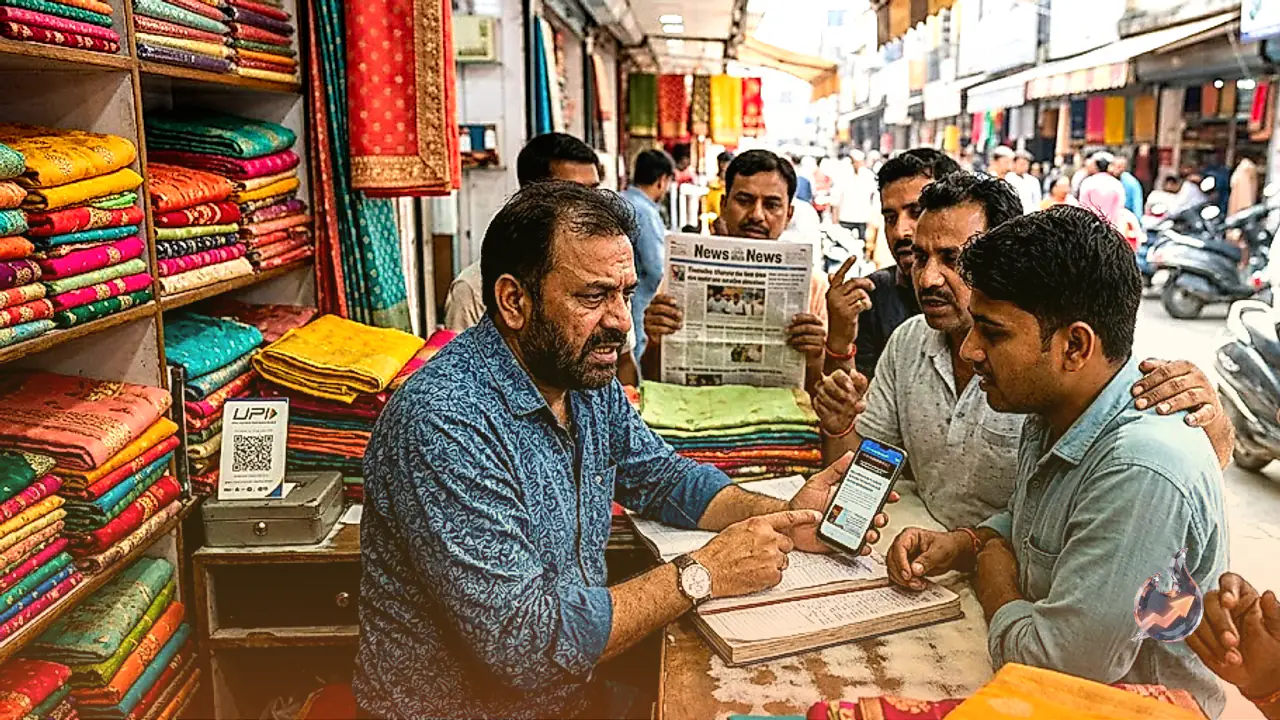

The central government's decision to implement a 0.4 percent charge on UPI payments starting October 15 has triggered widespread concern and anger among the trading community in Dehradun. Local business owners have voiced strong opposition, questioning why they should bear the brunt of new financial burdens despite having supported every government initiative to promote digital transactions. Traders pointed out that consumers today overwhelmingly rely on online payments for almost every purchase, but introducing transaction fees will severely penalize merchants. They noted that managing shop operations is already an uphill battle involving Goods and Services Tax, property taxes, high electricity bills, and employee salaries, meaning any additional fee will cause severe financial damage to their businesses.
Impact on Both Small Vendors and Large Enterprises
Gurunain Singh, a jeweler in Dehradun, stated that the decision to levy charges on UPI payments exceeding Rs 2,000 will harm business owners across the board. He explained that customers routinely make digital payments when buying items from his store, and merchants themselves rely on online transfers to purchase raw materials and bulk stock. If transactions of this nature are taxed, virtually every business owner will suffer losses. Even a small street vendor processing transactions worth Rs 2,000 to Rs 3,000 will feel the pinch. Traders recalled that the government initially promised digital payments would remain free of such levies, yet new taxes continue to be introduced, echoing historical economic burdens. Demonetization, the GST rollout, and now recurring fees are pushing ordinary citizens and merchants to the breaking point.
A New Crisis Emerging from a Cashless System
Zahid, a local textile merchant, explained that he regularly travels to Delhi to procure bulk inventory for his shop. Carrying large amounts of cash poses a severe risk of theft, which made digital transactions an essential and reliable tool for running his enterprise. However, introducing taxes on these exact online payments eliminates any possibility of profit margins, compounding the distress already caused by rising diesel prices and general inflation.
Rising Expenses and Warnings of Street Protests
Sunil Banga added that merchants are already weighed down by income tax, property taxes, and the GST regime, alongside fixed overheads like electricity charges and staff wages. The rapid growth of e-commerce platforms has already depressed local retail markets, making it increasingly difficult to cover daily expenses. Introducing UPI transaction fees at a time when business is only beginning to recover after a slow rainy season will break the back of the local merchant community, he warned.
Traders emphasized that they can no longer absorb endless rounds of tax burdens and formally appealed to the authorities to reconsider and scrap the proposed fee on digital payments, warning of potential street protests if the policy moves forward. They underscored that the nation's economy relies on its farmers, soldiers, and business community. The government initially advocated for a Digital India and encouraged cashless habits until the entire population grew dependent on online payments, only to introduce fees later. Merchants noted that purchasing wholesale stock worth Rs 50,000 or Rs 100,000 digitally and facing extra charges for doing so makes sustainable business operations nearly impossible.