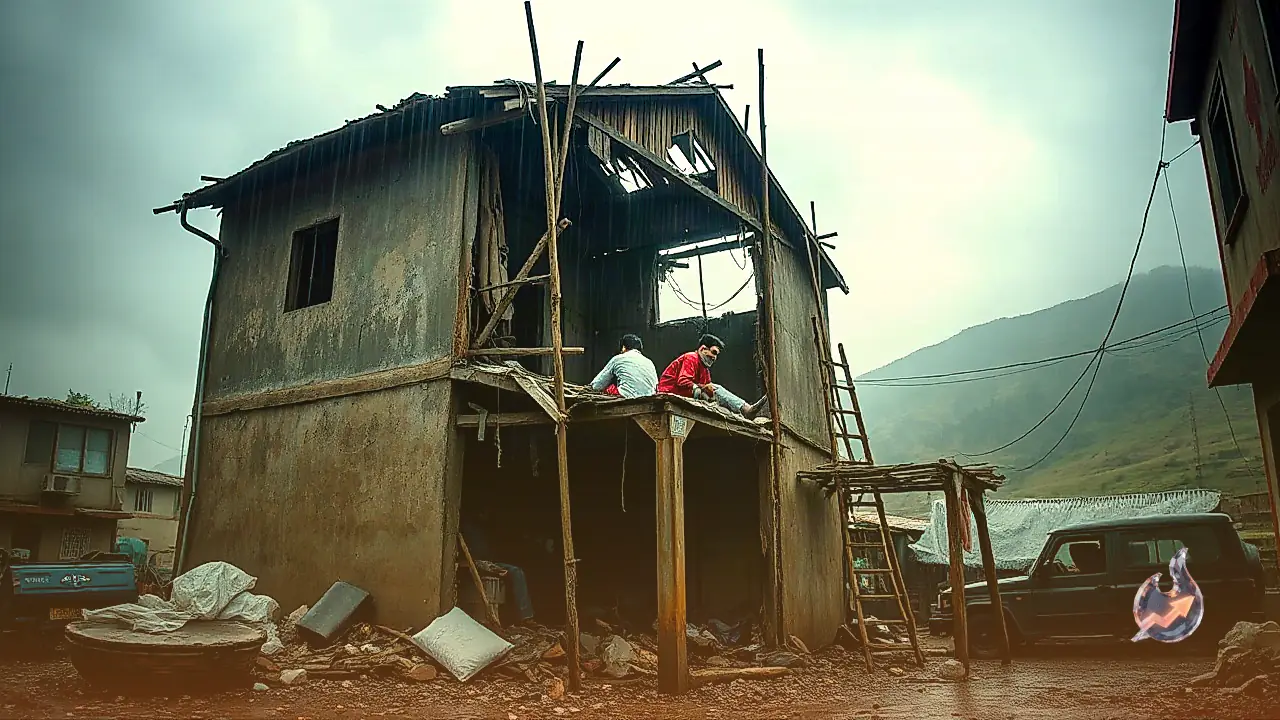


















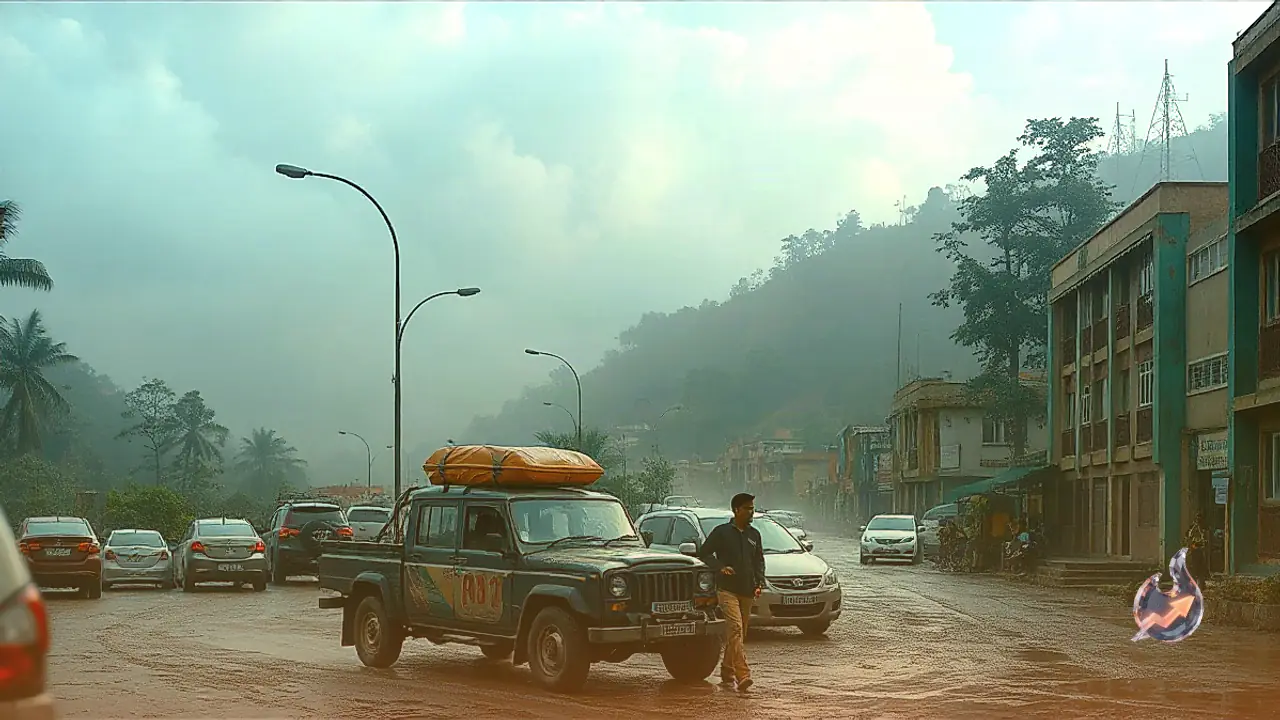

Heavy monsoon rainfall in the renowned hill station of Mussoorie in Uttarakhand has exposed the fragile state of local infrastructure and raised serious questions about the claims made by the Public Works Department and local administration. Torrential downpours have left key roads damaged and triggered frequent landslides, disrupting daily life for residents and visitors alike. The situation is particularly critical near the 'Paani Wala Bend', where the road has caved in and collapsed twice during the ongoing monsoon season. Sluggish repairs and administrative negligence have fueled intense frustration among local traders and community members. Reflecting on the crisis, long-time resident Billu warned that unless uncontrolled development is checked immediately, the famous 'Queen of Hills' could soon lose its identity altogether.
Repeated Road Collapses at Paani Wala Bend Risk Public Safety
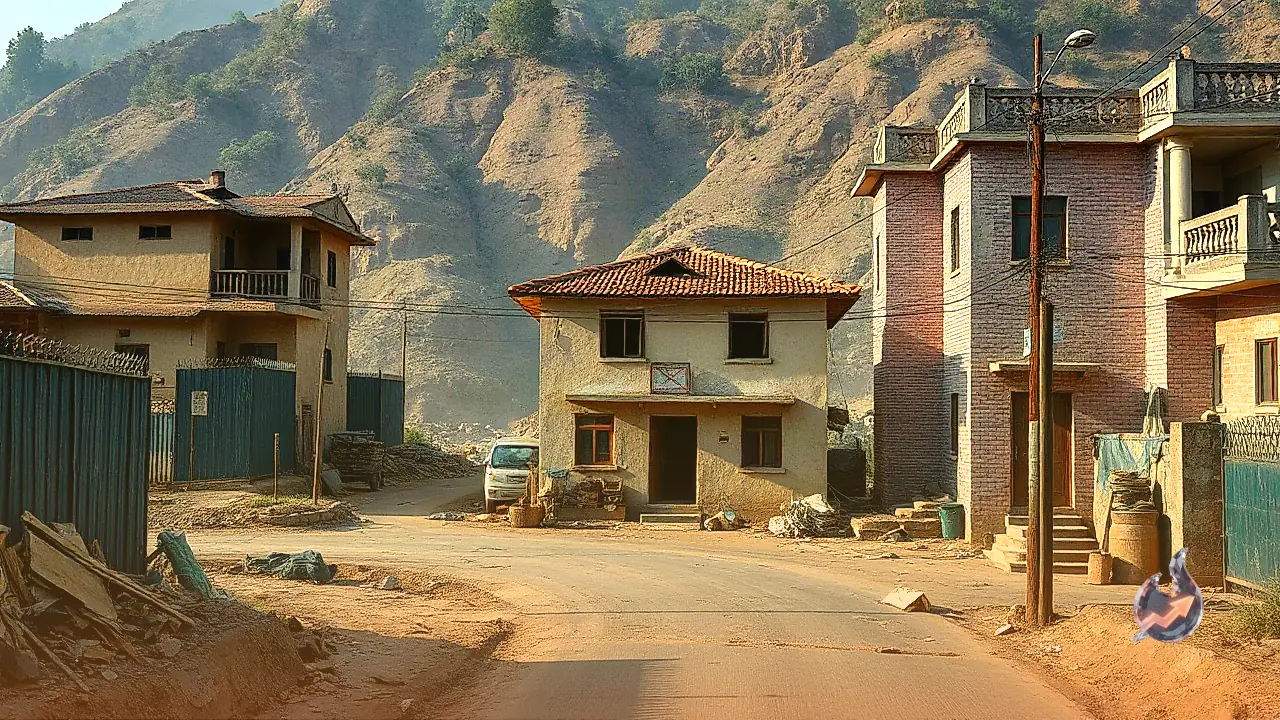
Potholes, structural cracks, and continuous rainfall have brought traffic movement to a near standstill on critical access routes into Mussoorie. At Paani Wala Bend, frequent road washouts have turned everyday commuting into a hazardous journey, with the risk of accidents looming at every turn. Massive traffic gridlocks occur daily, delaying essential travel and paralyzing local commerce. Business owners in the town expressed sharp anger over what they describe as substandard construction and superficial road patching. They pointed out that administrative claims of monsoon preparedness dissolve at the first spell of heavy rain, leaving motorists to navigate dangerous and collapsing mountain roads.
Unregulated Construction and Blocked Drainage Weaken Mountain Slopes
Long-time locals note that landslides were far less frequent in earlier decades. In recent years, however, aggressive mountain cutting for commercial real estate has altered the landscape. Large hotels and luxury resorts have proliferated across the slopes, with many operated by builders from outside the state. Compounding the structural vulnerability is the absence of a proper solid waste management system. Garbage is routinely dumped in the open, obstructing natural drainage channels and blocking mountain springs that once allowed rainwater to flow off safely.
When natural water channels are blocked by accumulated debris, monsoon runoff cannot drain away properly. Instead, the trapped water soaks directly into the mountain soil. Over time, this deep water absorption destabilizes the hillsides from within, causing the soft terrain to loosen, crumble, and give way under heavy rainfall.
Post-Statehood Disillusionment and the Vulnerability of the Shivalik Range
Prior to the creation of Uttarakhand as a separate state, mountain communities hoped that self-governance would bring improved healthcare, durable road infrastructure, and local employment opportunities. However, residents feel those promises remain largely unfulfilled. Rather than developing sustainable infrastructure, Mussoorie turned into a commercial hub dominated by external investors, while local civic amenities continued to deteriorate.
Geologically, Mussoorie forms part of the Shivalik range, which consists of relatively young and soft mountain formations. These geologically fragile slopes are ill-suited to bear the heavy weight of multi-story concrete structures, extensive excavation, and dense urban sprawl. Environmental experts and local residents urge the state government to enforce strict planning limits, reform waste management, and prioritize structural preservation before the ecological balance of the region collapses beyond repair.