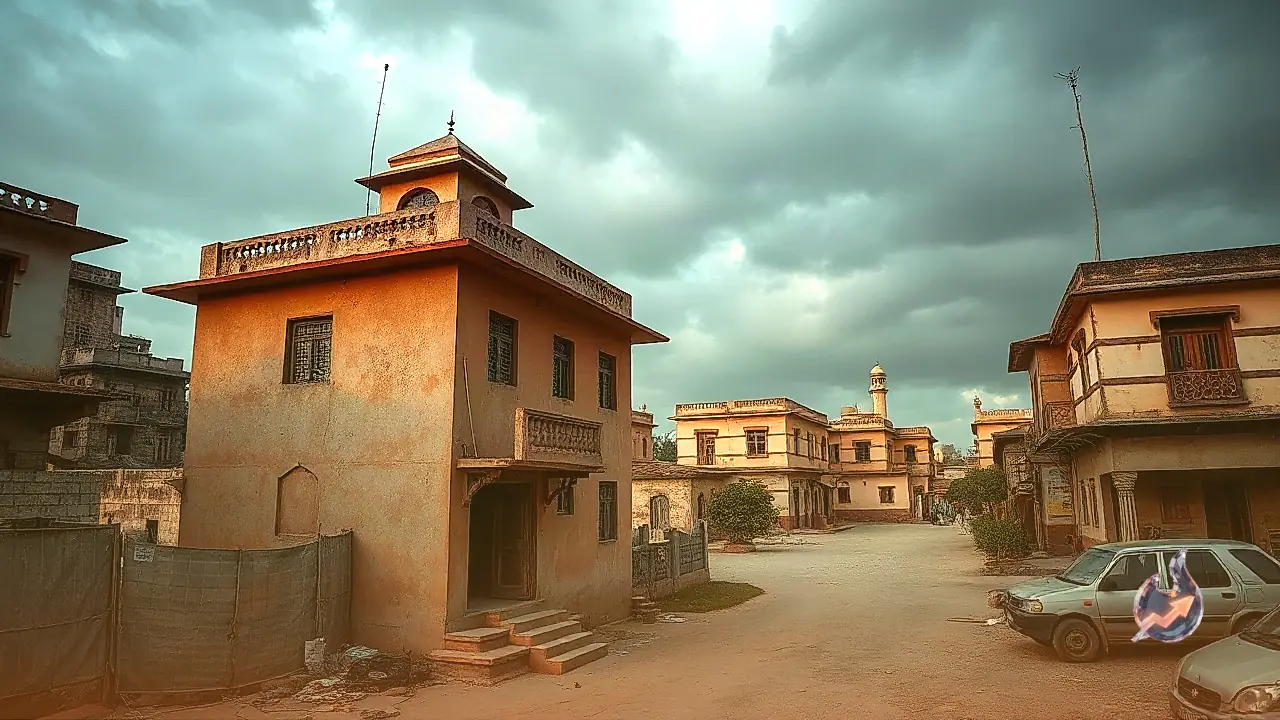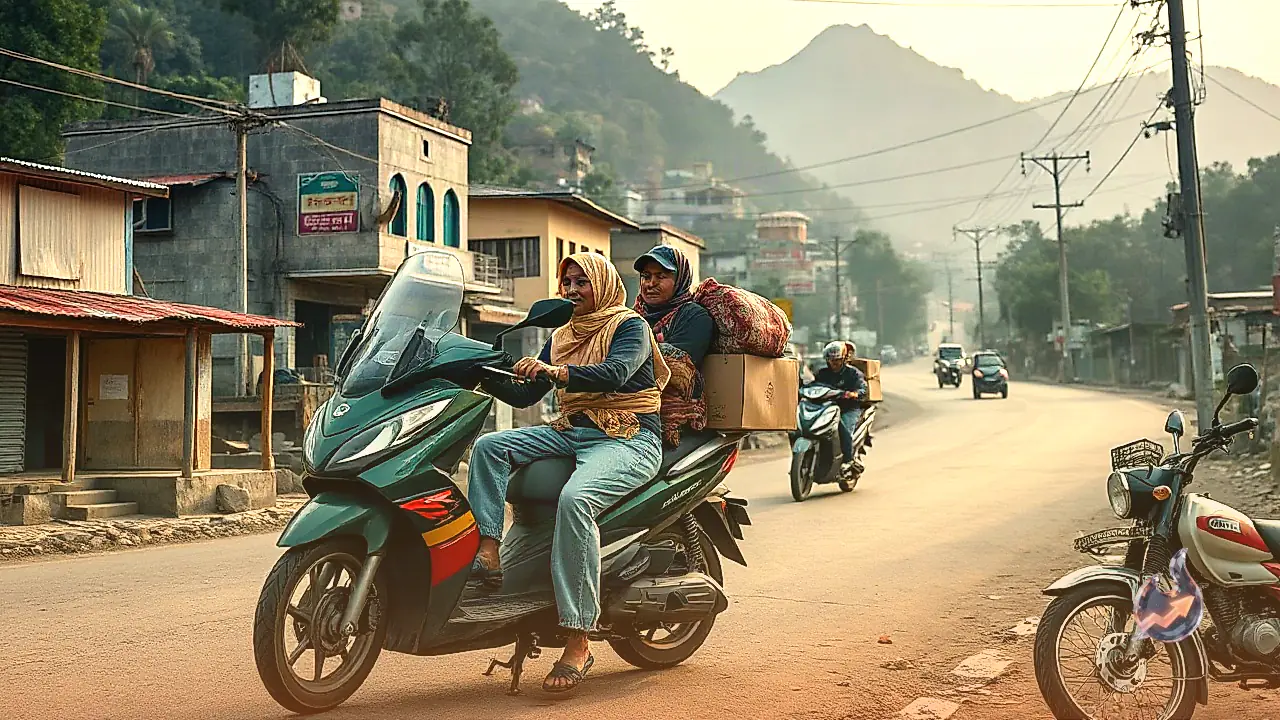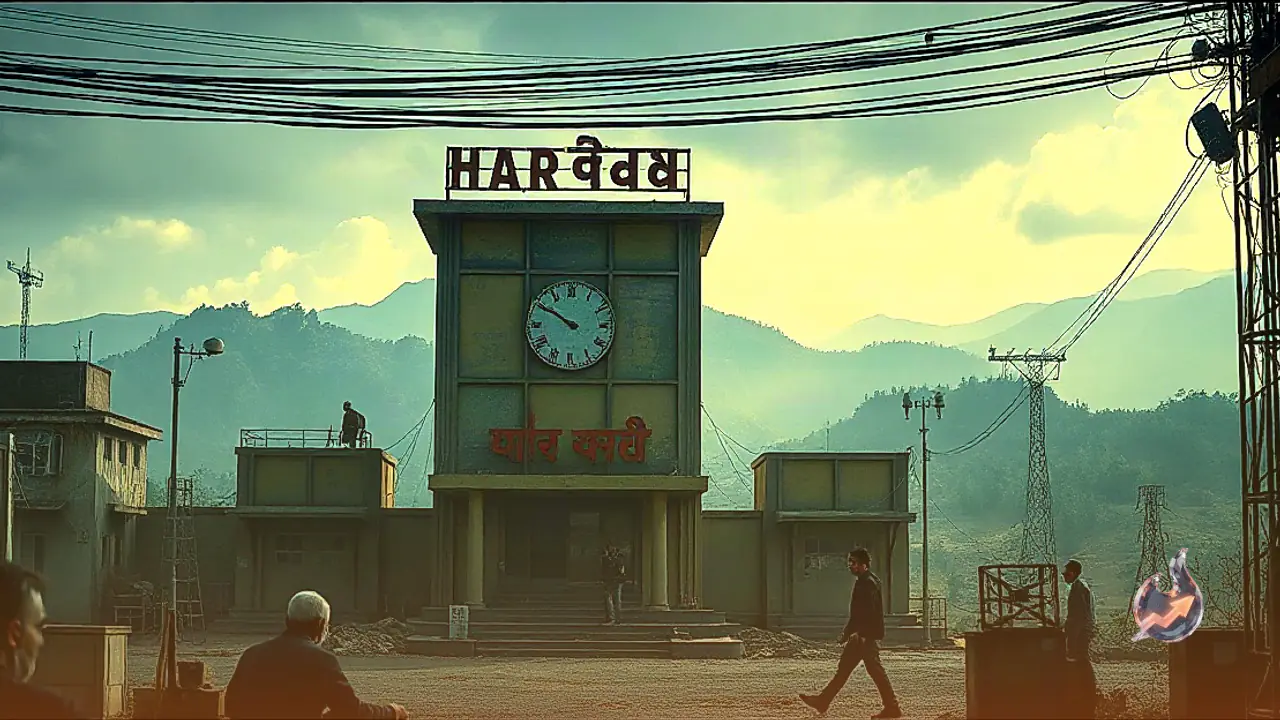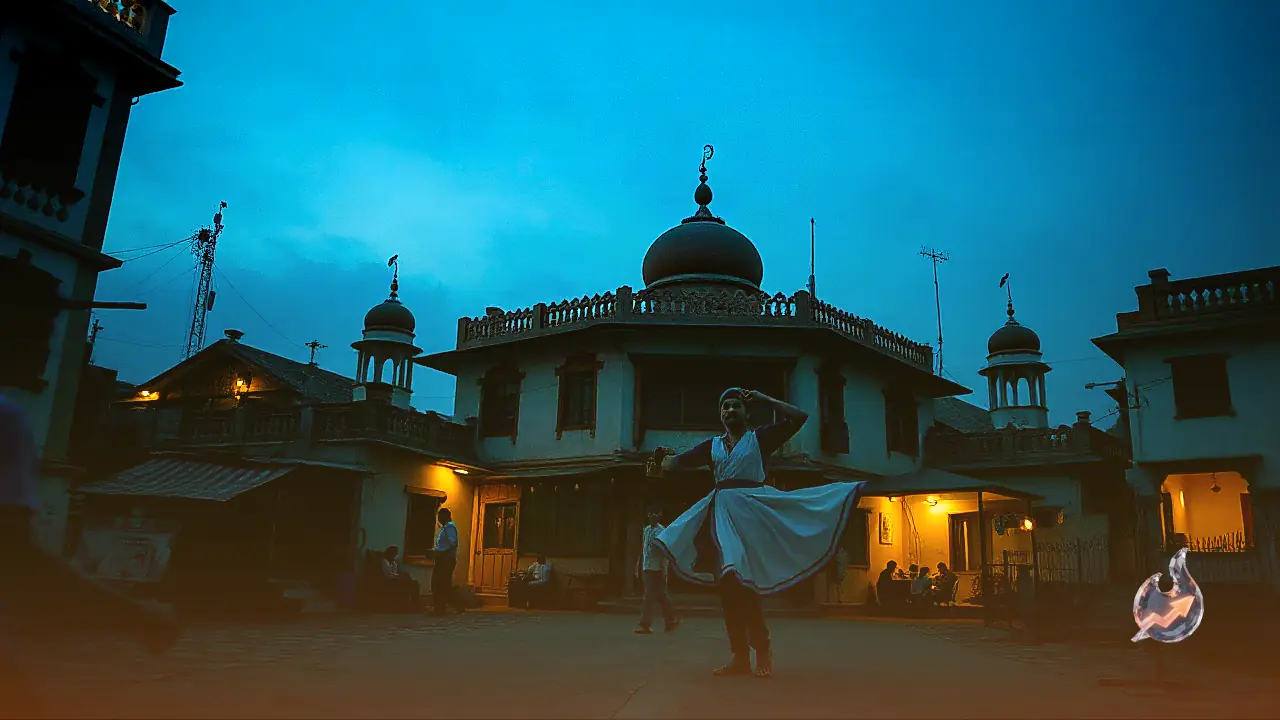


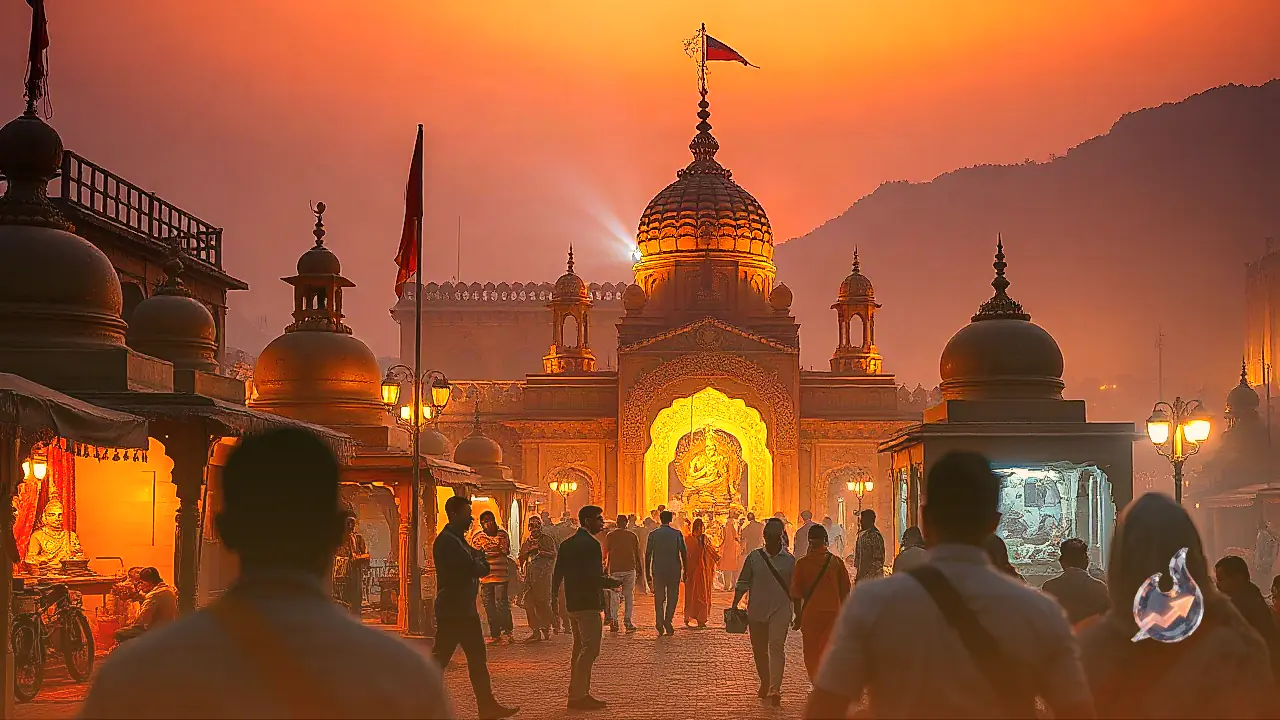














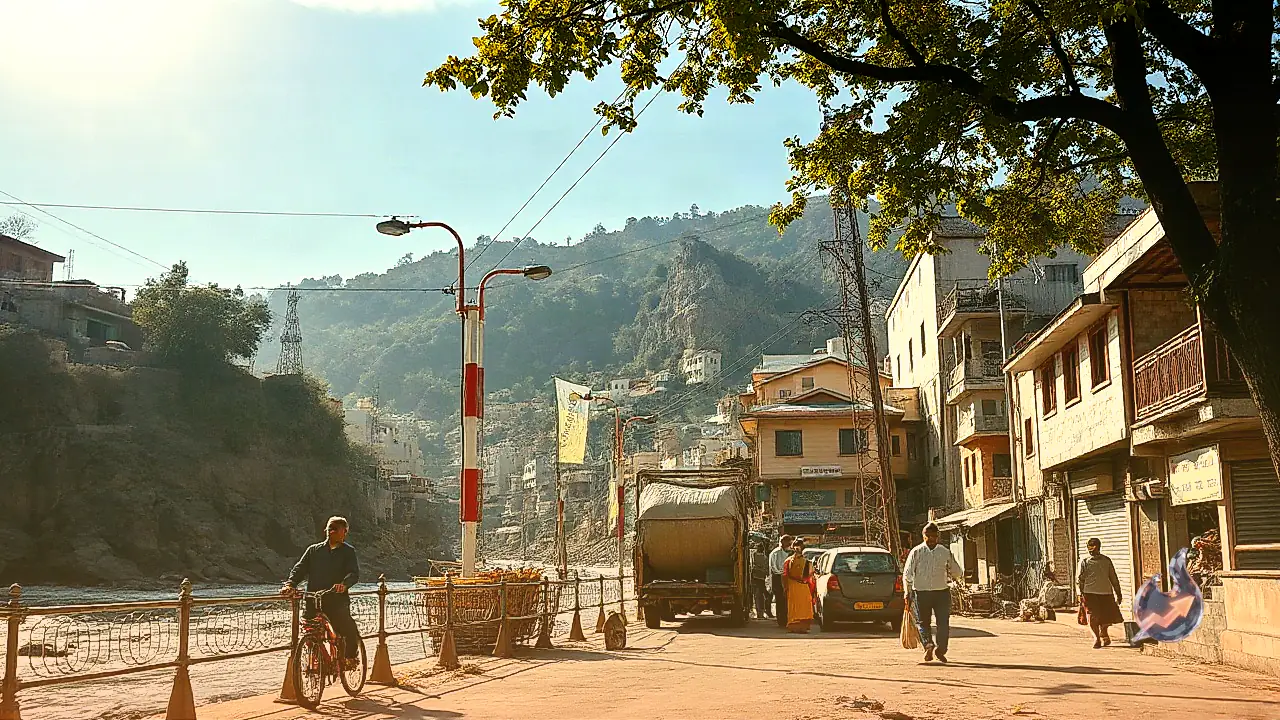

Renowned globally as a sanctuary of spiritual contemplation, yoga, and natural serenity beside the sacred Ganga, Rishikesh is currently confronting the severe consequences of unrestrained tourism. Every year, millions of travellers arrive seeking respite from fast-paced urban routines, hoping to absorb the tranquil environment of the Himalayan foothills. However, that traditional calm is being overwhelmed by unrelenting gridlock, high volumes of automotive noise, mountains of discarded trash on riverbanks, and irresponsible public conduct. While tourism undeniably forms the structural foundation of the regional economy, the uncontrolled scale of visitors is rapidly turning into an exhausting daily ordeal for permanent residents, who insist that economic gain must not erase the peace and cultural dignity that define the township.
Public Misconduct and Intoxication in Residential Neighborhoods
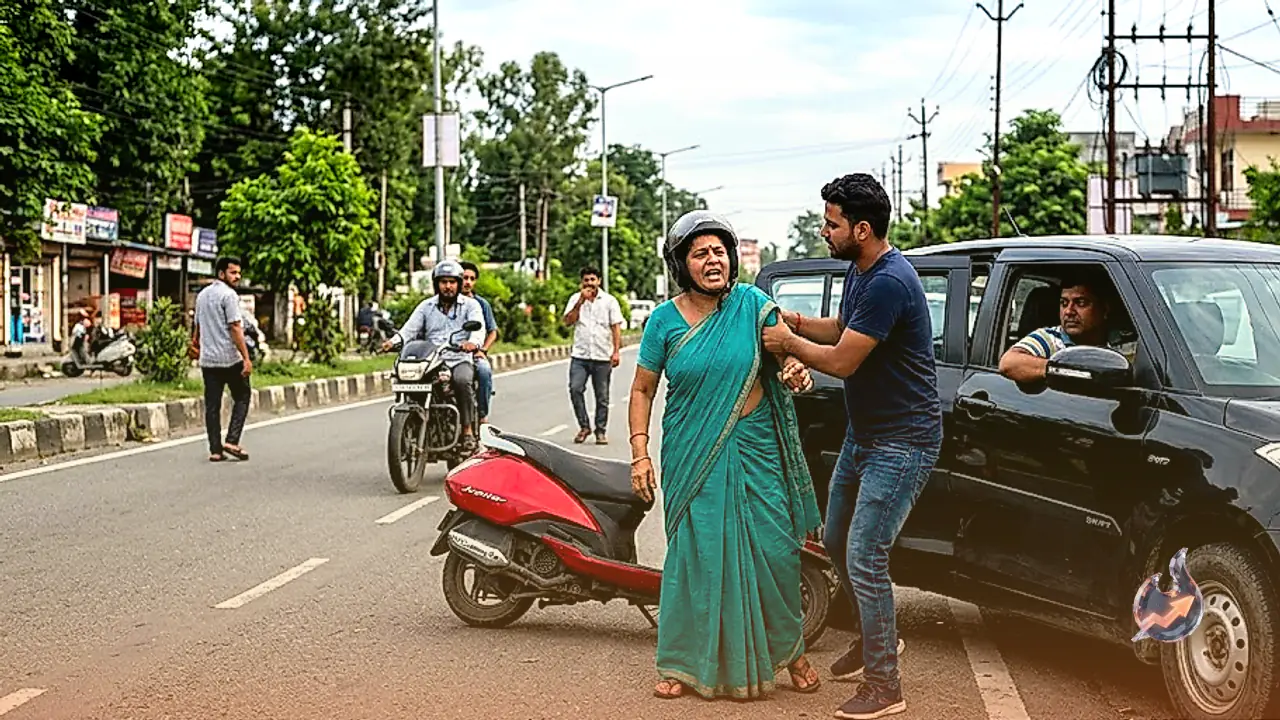
Reflecting on the deteriorating street reality, local resident Sunil points out that while many travellers do arrive with peaceful intentions, an unruly minority frequently wrecks municipal order and social harmony. In several instances, visitors have been seen drinking alcohol openly in public view and creating disturbances near peaceful residential colonies. Such disruptive behaviour regularly escalates beyond verbal quarrels into foul language, loud arguments, and physical brawls on public roads.
Sunil notes that this reckless conduct instills a profound sense of fear and distress among local families, especially women and children who reside in these neighborhoods. He firmly maintains that holiday leisure cannot serve as a license for rowdy delinquency. Visitors must acknowledge that the township they treat as a temporary weekend getaway is a permanent residential habitat for thousands of families, where local social decorum, community boundaries, and safety deserve unconditional respect.
Littered Riverbanks and Dangerous Speeding on Narrow Roads
Expressing deep distress over environmental and religious degradation, resident Gagan highlights the escalating cleanliness crisis along the riverfront. People journey from across the country to witness the sacred Ganga and experience its pristine waters, yet many choose to consume meals on the ghats and casually abandon their refuse on the stones. Discarded plastic bottles, food packets, wrappers, and leftover food continually defile the sanctity of the riverfront. Gagan argues that those who seek solace in pristine natural settings carry a primary civic obligation to protect and preserve that purity.
In addition to environmental degradation, speeding vehicles on narrow, curving lanes pose an acute danger to life and limb. Gagan points out that the hill roads are shared constantly by senior citizens, children, and pedestrians walking to neighborhood shops or temples. When holidaymakers race their cars aggressively along these constrained pathways, the risk of serious collisions multiplies dramatically. The expansion of tourism must be matched by a corresponding rise in civic consciousness and basic driving discipline among motorists.
Navigation Map Blindness and Severe Congestion in Alleyways
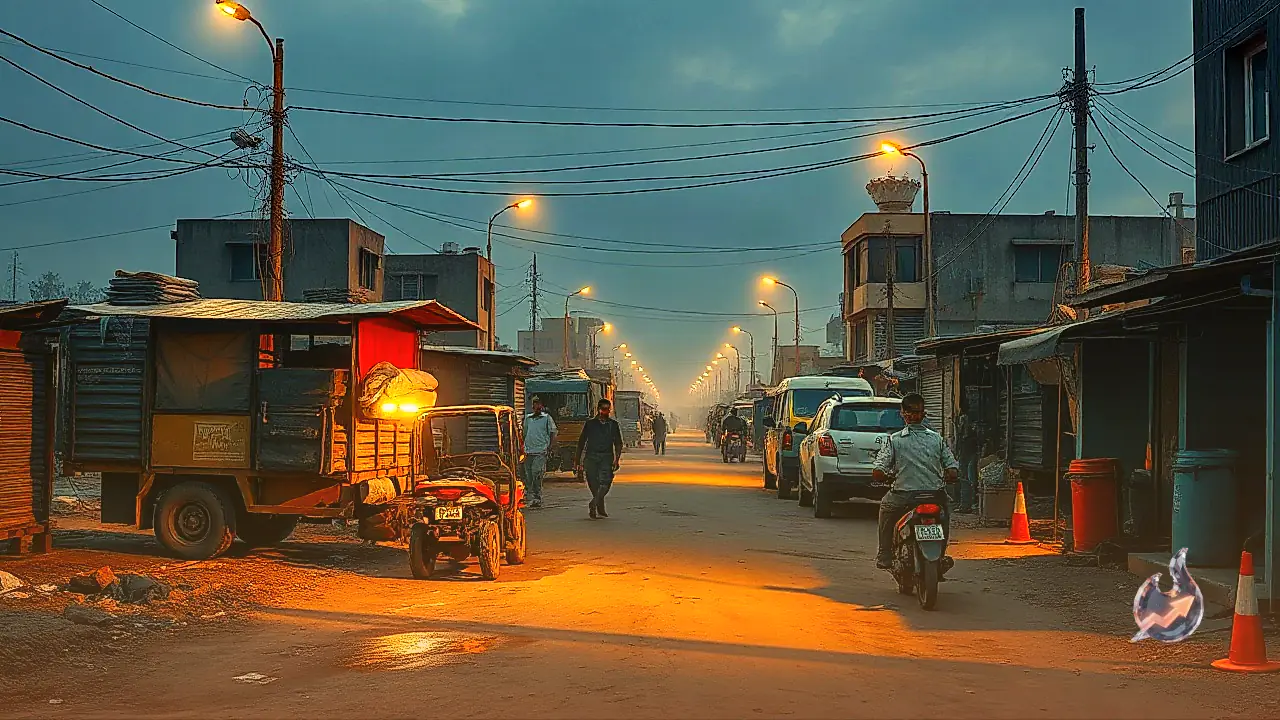
Explaining the paralysis gripping the road network, local resident Raman describes how vehicular congestion has severely impaired ordinary daily routines. Drivers arriving from other states place unquestioning trust in mobile navigation applications, blindly following digital routes that steer large sport utility vehicles and sedans into historical, razor-thin residential lanes where even two-wheelers struggle to pass. The moment an oversized car gets stuck along a blind corner, traffic freezes behind it, creating tailbacks that stretch for miles into adjoining arterial routes.
Consequently, local residents find themselves trapped for hours in stubborn bottlenecks. The vehicular volume entering the municipal limits far outstrips the physical capacity of the local road infrastructure. Raman explains that during weekends and national holidays, conditions deteriorate to the point where stepping out of one's home to purchase essential groceries or urgent medication becomes an arduous, frustrating struggle, while emergency medical vehicles face severe impediments navigating through choked pathways.
Administrative Diversion Schemes and Field Enforcement Gaps
To mitigate persistent gridlock during peak inflow periods, local authorities implement structured traffic diversion measures. For vehicles approaching Rishikesh from the direction of Nepali Farm, two primary alternative corridors are utilized. One route directs incoming traffic past the AIIMS campus into the urban core, while the secondary corridor runs along Haridwar Road connecting via Koyal Ghati. Whenever vehicular volume reaches unmanageable peaks, both arteries are converted into a coordinated one-way circulation loop, with one dedicated exclusively to inbound flow and the other handling outbound departures.
Simultaneously, large tourist coaches and intercity buses are redirected away from central arteries toward designated holding areas at Dhalwala and the ISBT parking ground. If these primary yards reach total capacity, administrative backup protocols activate the temporary parking space established at IDPL. Despite these structured contingency plans, persistent gridlock remains an ongoing reality because numerous incoming drivers disregard roadside signage and administrative advisories, opting instead to follow automated digital maps into cramped residential alleys and unraveling the entire regulatory system.
Tourism Remains the Economic Core but Community Peace Must Prevail
There is broad consensus that the regional economy depends overwhelmingly on visitor commerce. Hotels, homestays, contemporary cafes, river rafting outfits, taxi operators, and retail merchants all rely heavily on tourist spending to sustain their livelihoods. Local residents have consistently emphasized that they do not oppose tourism or visitors; their grievance rests entirely on the erosion of civic discipline, spiritual sanctity, and everyday peace that has accompanied unregulated growth.
Preserving the township requires straightforward, responsible practices. Keeping the Ganga ghats free from waste, abstaining from public drinking and disorderly gatherings, respecting speed limits on narrow mountain corridors, and avoiding the intrusion of oversized private vehicles into residential streets could dramatically improve living conditions for everyone. Visitors enjoy temporary leisure before returning to their cities, but local families must live with the ongoing aftermath. Preserving the peace and dignity of the town alongside economic prosperity remains an indispensable civic duty.