




















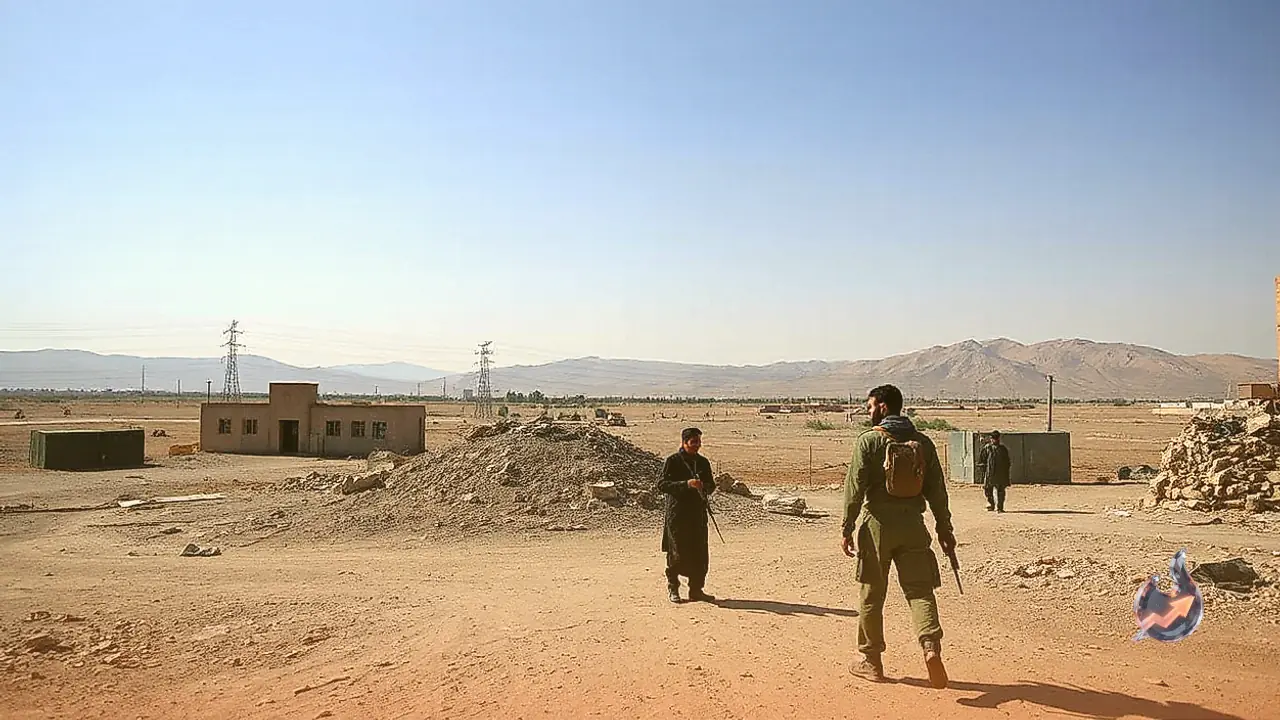

Tensions between Pakistan and Afghanistan have intensified once again, triggering a sharp exchange of warnings and counter-allegations between Islamabad and the Afghan Taliban administration. Pakistan has cautioned the authorities in Kabul that it reserves the complete right to take necessary defensive measures if Afghan soil continues to be utilized to stage violent attacks within its territory. Labeling terrorism an absolute red line, Pakistani authorities stressed that no compromise would be accepted regarding the security and sovereign protection of their citizens. In contrast, the Afghan Taliban dismissed all allegations, asserting that Islamabad’s own policy choices remain the true root cause of the deteriorating bilateral ties.
Islamabad Issues Firm Warning Over Border Security
On Saturday night, Pakistan's Ministry of Information and Broadcasting issued a stern statement directed at the Afghan Taliban leadership. The ministry accused officials in Kabul of evading responsibility by failing to act against active militant hubs situated on Afghan soil, while choosing instead to accuse Islamabad of souring bilateral ties. Emphasizing that terrorism represents the foremost threat to national stability, the statement declared that the protection of civilian lives cannot be subjected to hesitation or diplomatic compromise under any circumstances.
The ministry further remarked that the Afghan Taliban must recognize that Pakistan will not tolerate safe havens across the frontier from which hostile elements undermine its safety. The official communique highlighted that Pakistan cannot leave its fundamental security dependent upon the alleged inaction, deliberate delays, or misplaced priorities of the Afghan Taliban administration. Islamabad also stated that under international law, it maintains the legitimate authority to pursue necessary actions against hostile operations that directly imperil its sovereign defense.
Taliban Rebuff Accusations and Criticize Bilateral Policies
Pakistan’s sharp admonition followed comments delivered by Afghan Taliban spokesperson Zabihullah Mujahid during an interview with Hurriyat Radio on Saturday. In his remarks, Mujahid asserted that Pakistan lacks genuine seriousness when it comes to resolving regional tensions and settling disagreements through diplomatic engagement. He argued that Islamabad’s flawed strategic approaches are the principal factor preventing a constructive resolution between the two neighboring states.
Mujahid further contended that Afghanistan bears no responsibility for the counter-terrorism problems cited by Pakistani officials. The Afghan Taliban reaffirmed their standard policy stance, maintaining that they do not permit Afghan territory to be weaponized against any foreign country. However, with both administrations trading direct blame, the issue of cross-border militancy continues to serve as an intractable source of strategic friction between the two capitals.
The Role of TTP in Persistent Frontier Clashes
At the very core of this worsening regional dispute lies Tehrik-i-Taliban Pakistan (TTP). Pakistani security agencies have consistently asserted that the militant group orchestrates its operations from hideouts across the Durand Line, deploying fighters into Pakistan to strike security and civilian targets. The Afghan Taliban administration has repeatedly rebuffed these claims, maintaining that its sovereign soil remains off-limits to external combatant networks. Amid this deep mutual distrust over militant sanctuaries, border forces from both nations have engaged in periodic clashes and skirmishes across the frontier.