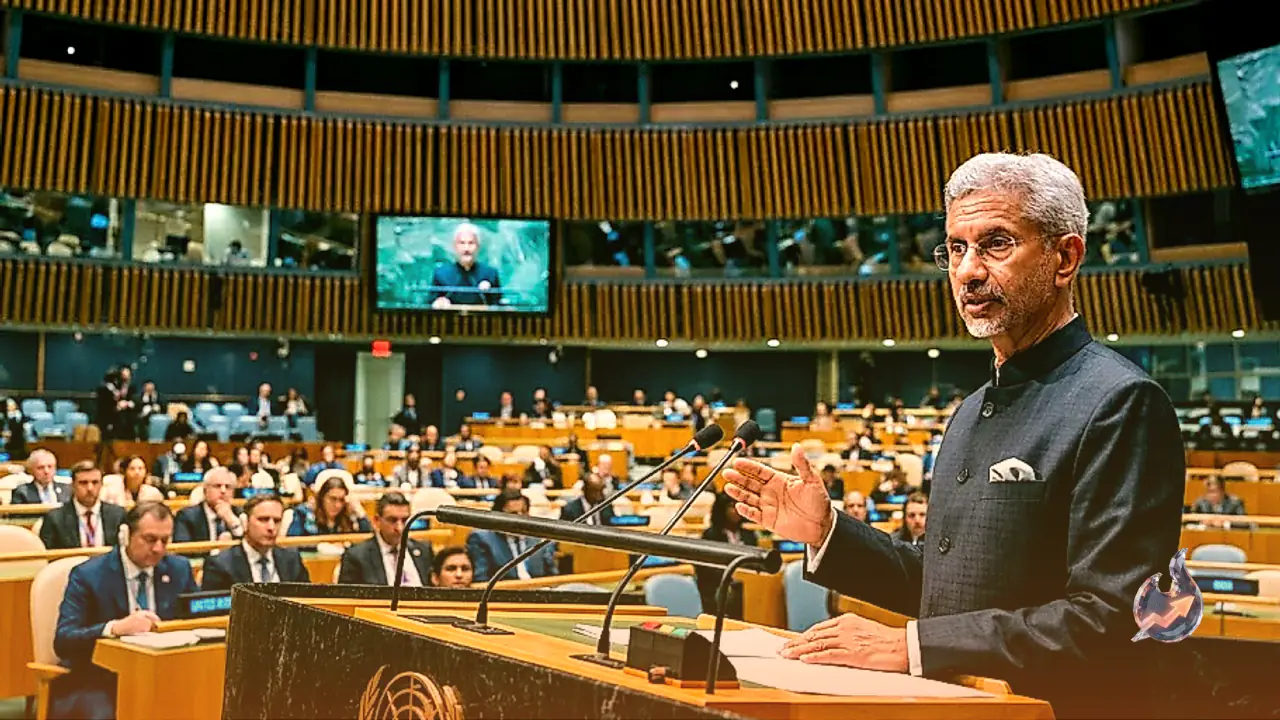
















In a bid to emphasize the deep-rooted connections between neighboring nations, Bangladesh's High Commissioner to India, Riaz Hamidullah, has characterized the relationship between India and Bangladesh as naturally organic and deeply interdependent. During a recent interview, the diplomat observed that while the two countries might occasionally experience differences in viewpoints, strategies, or outlooks, such disagreements should never be allowed to disrupt or block continuous communication and engagement. Given their close geographical alignment and the historic, multi-layered ties between their populations, sustaining an uninterrupted channel of dialogue remains vital for both capitals to safeguard and advance their mutual interests.
Understanding the Organic Nature of Bilateral Ties
The Bangladeshi diplomat emphasized that the relationship between the two nations is built on shared realities rather than artificial arrangements. He noted that close neighbors naturally experience points of friction, but the fundamental strength of the connection lies in navigating these hurdles through direct interaction. The interdependence is economic, cultural, and environmental, which means neither nation can afford a prolonged freeze in communications. The shared geography makes cooperation not just a choice, but an absolute necessity for regional stability.
Expanding People-to-People Contact Beyond Official Channels
The High Commissioner strongly advocated for broadening the scope of citizen interaction. He argued that diplomacy should not remain confined to formal diplomatic corridors or governmental delegations. Instead, he suggested that society-to-society engagement must be deepened. Specifically, Hamidullah stressed the importance of youth exchange programs, suggesting that fostering connections between school children, university students, and academic institutions could bring millions of citizens closer. Such large-scale grassroots exchanges have the power to fundamentally transform the landscape of bilateral relations, creating a solid foundation of mutual trust.
The Cultural and Political Symbolism of the Ilish Fest
As a practical demonstration of these cultural ties, the diplomat highlighted the hosting of the "Ilish Fest" by the Bangladeshi High Commission. Organized in Delhi, this event celebrated the Hilsa fish, which holds immense emotional, cultural, and culinary value for Bengali communities living in both Bangladesh and various parts of India. Hamidullah pointed out that the festival is far more than a celebration of food; it serves as a bridge to bring people together. He famously remarked that Hilsa is not merely tied to the economy, but occasionally becomes intertwined with politics as well. The High Commission had originally launched this unique initiative on September 27 last year, and they successfully held the second edition on the exact same date this year, reinforcing it as an annual cultural tradition.
Reflecting on a Productive Tenure in New Delhi
The timing of the festival coincided with the conclusion of Hamidullah's tenure in the Indian capital. Having spent approximately one and a half years serving in New Delhi, the diplomat viewed this event as an opportunity to express his gratitude. Throughout his eighteen-month stay, he had interacted with a diverse cross-section of Indian society, including representatives from the economy, politics, and cultural sectors. The festival functioned as a humble gesture of thanks to all those who contributed to fostering closer ties during his diplomatic assignment.
Prominent Indian Dignitaries Join the Celebration
The event saw participation from several prominent Indian intellectuals, politicians, and journalists, underscoring the broad appeal of cultural diplomacy. Notable attendees included Mani Shankar Aiyar, M.J. Akbar, Syeda Hameed, Jyoti Malhotra, and Ashis Nandy. According to the diplomat, seeing such diverse figures standing shoulder-to-shoulder at the event was a powerful testament to the festival's objective of uniting people. Although the gathering was designed to be an enjoyable and celebratory evening, it successfully brought to the forefront several critical dimensions of the bilateral relationship, showing that cultural commonalities can serve as a robust platform for modern diplomatic engagement.