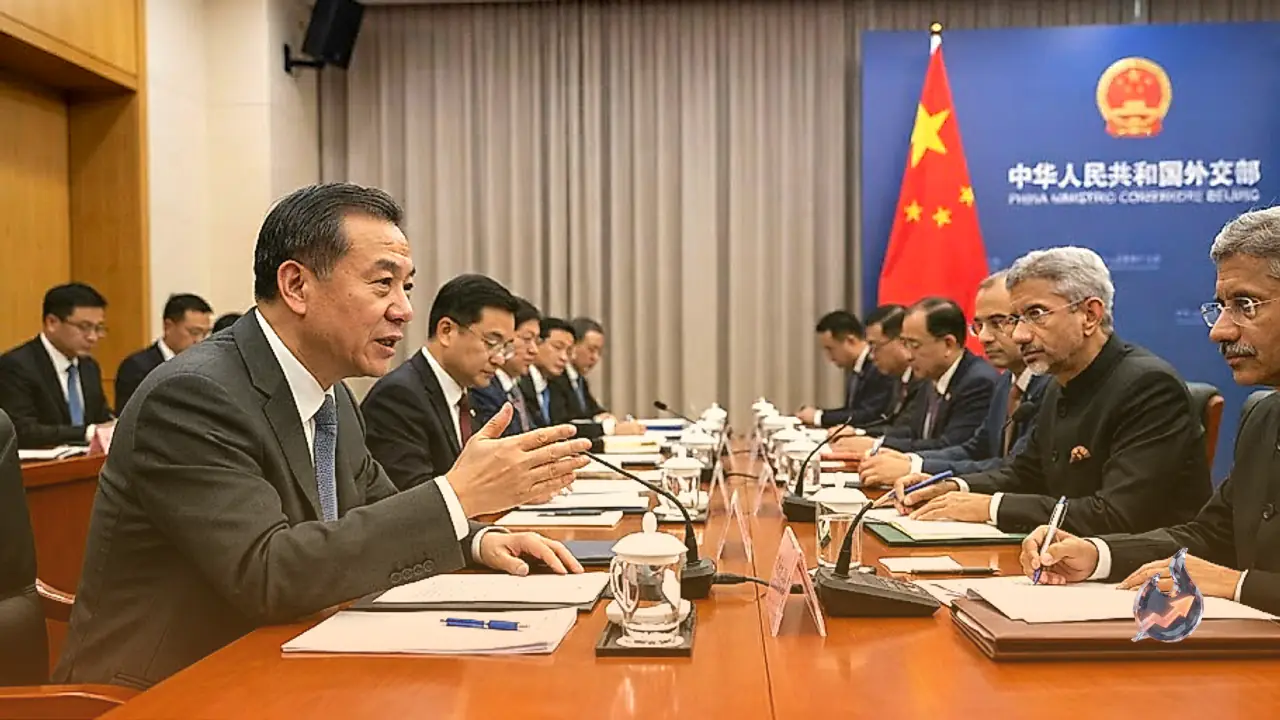





















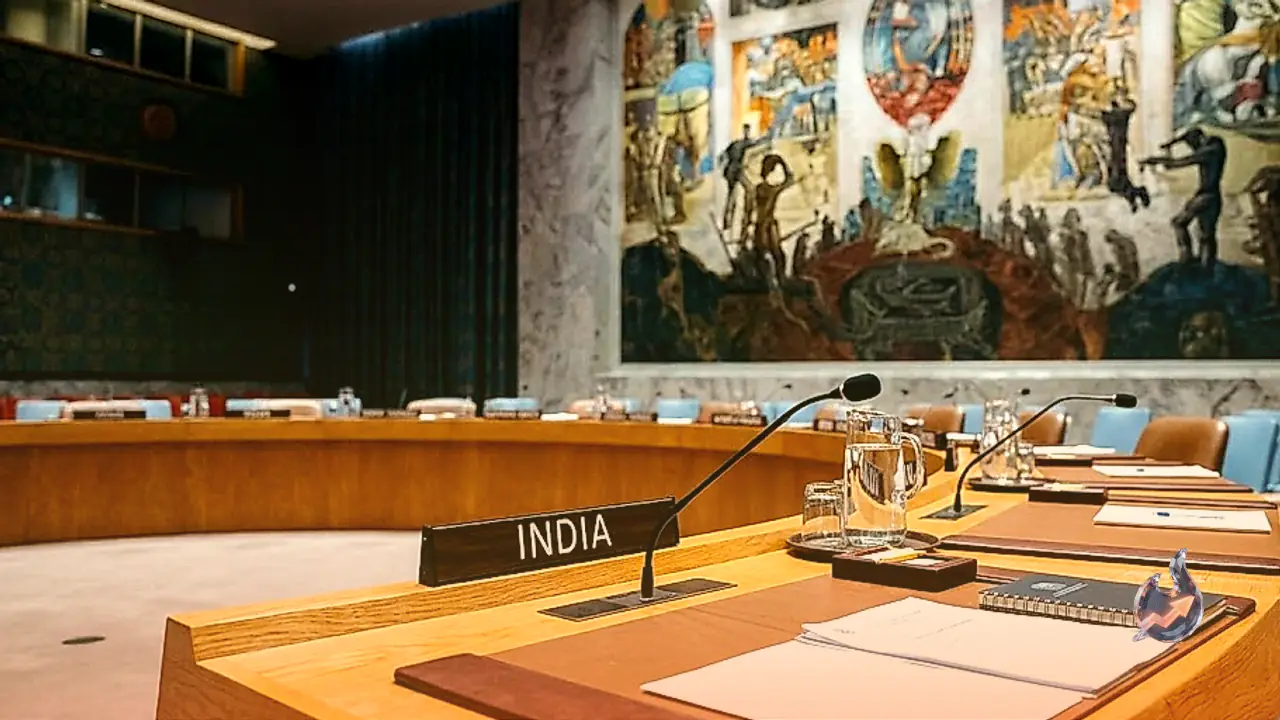

India has once again conveyed its firm stance regarding the urgent need for reforms within the United Nations Security Council, making it clear that major global decisions should not be manipulated for selfish political interests. Emphasizing that the veto power is a heavy responsibility rather than a political instrument, the Indian delegation noted that it must be exercised with utmost accountability. Permanent Representative of India to the UN P. Harish raised serious concerns over the current dynamics of the veto and the stagnant reform process. According to India, implementing minor or piecemeal adjustments will not resolve the core issues plaguing the council, making it vital to address all key aspects simultaneously to break the long-standing deadlock.
Concerns over frequent veto use and threats
Questioning the patterns surrounding the deployment of the veto and threats of its usage, the Indian side pointed out that out of the five permanent members known as the P5, two countries have not exercised the veto for over three and a half decades. Conversely, the use and threat of the veto have primarily originated from three nations. India also brought attention to the veto initiative launched in 2022, which had initially sparked optimism for structural change. However, the continued high frequency of vetoes even after UN General Assembly resolution 76/262 demonstrates outcomes that fall short of those initial expectations.
Piecemeal reforms are insufficient
India asserted that the reform process of the Security Council cannot be restricted to just a single isolated issue. All five core pillars of reform must be deliberated upon concurrently. In the view of India, executing fragmented modifications will fail to eradicate the systemic flaws currently weakening the council. The ultimate objective of any meaningful reform must be to render the council far more effective, representative, and transparent. Achieving this requires serious dialogue and broad-based consensus among all member states.
Evaluating the impact of the veto initiative
Reflecting on the 2022 veto initiative, India acknowledged that it was initially perceived as a positive step toward enhancing institutional accountability. Resolution 76/262 of the UN General Assembly opened avenues for mandatory discussions in the assembly whenever a veto is cast. Despite this mechanism, India noted that the persistent invocation of the veto remains deeply concerning, raising fundamental questions about whether existing procedures can effectively control its misuse and enforce accountability.
Guarding against a hidden veto under consensus
India also voiced strong reservations regarding working methods within the Security Council and sanctions committees where unwritten rules of consensus can effectively mimic a veto. The Indian delegation cautioned that the requirement of consensus in Intergovernmental Negotiations must not be allowed to morph into a hidden veto. This implies that situations where decisions are blocked without the formal invocation of a veto demand serious institutional review.
Backing Africa's representation demands
Reaffirming its commitment to equity, India strongly backed the Common African Position. India argued that as long as the veto power remains part of the system, all permanent members must enjoy equal rights. This position highlights deep-seated questions of fairness and representation within the council architecture. Moving forward, global attention will remain focused on whether member states can forge genuine consensus on comprehensive security council reforms and the future of the veto during ongoing intergovernmental talks.