
























A deep diplomatic rift between Washington and Kyiv has erupted into the open after Ukrainian President Volodymyr Zelensky accused the United States of cutting off intelligence sharing to pressure his military into halting strikes against Russian oil facilities. The accusation follows a contentious international arrangement regarding Russian diesel supplies and comes as Moscow claimed to have repelled a fresh Ukrainian aerial assault against a major oil refinery located south of the Russian capital.
Ryazan Refinery Targeted Amid Broken Energy Truce
The Kremlin stated on Thursday morning that Ukrainian forces attempted a large-scale strike against an oil refinery in Ryazan, situated south of Moscow. According to the Russian defence ministry, air defence units intercepted four missiles and dozens of drones directed at the site. Falling debris from the intercepted projectiles ignited a fire at the industrial facility. Russian President Vladimir Putin stated that Kyiv had also attempted to hit refineries on Wednesday, while downplaying the impact and noting that the strikes had failed to inflict significant damage. Ukrainian authorities had previously denied carrying out any such attacks on Wednesday.
The flare-up directly follows the unraveling of a proposed energy ceasefire announced on Sunday by US President Donald Trump. While Zelensky had indicated that Ukraine would adhere to the moratorium if Moscow reciprocal honored the deal, he asserted that Russian forces disregarded the understanding within mere hours of its announcement. Heavy barrages immediately crippled Ukrainian infrastructure, leaving hundreds of thousands of civilians without electrical power. The Kremlin had never formally confirmed its acceptance of the arrangement.
Disruption to Starlink Access and Early Warning Systems
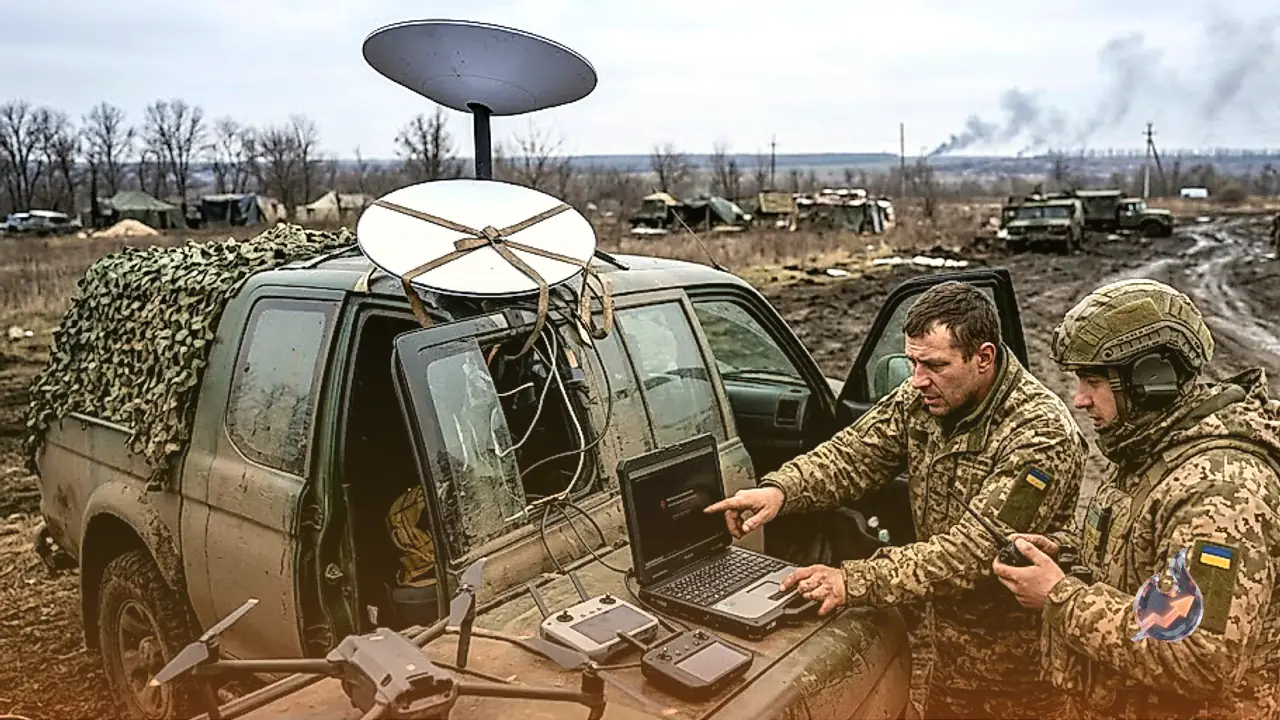
A central pillar of the escalating dispute involves the technological and informational backbone supporting Ukraine's front-line defences. Zelensky asserted that disruptions to Starlink satellite communication services, heavily relied upon by Ukrainian armed forces for drone operations and battlefield coordination, were completely deliberate. Addressing the disruption, Zelensky emphasized that the loss of coverage was not due to an operational glitch, stating that it was not a technical problem but rather a deliberate choice.
Military sources confirmed that some functionality of the Starlink network resumed on Thursday morning. The Starshield service, tailored for military applications and funded through a US Department of Defense contract, had its mobility features restored. However, technical ambiguity remains regarding whether bandwidth and speed caps governing drone operations in flight were completely lifted. Ukrainian officials continue working to determine the precise circumstances surrounding the cutoff. Meanwhile, Trump has publicly denied that the United States halted intelligence sharing.
Allied Unease and Tensions in Washington
In a candid interview with Piers Morgan, Zelensky acknowledged feeling betrayed by Washington after key elements of US assistance appeared to be abruptly withdrawn. Speaking separately to the Financial Times, the Ukrainian leader revealed that American officials directly warned Kyiv that intelligence would be blocked if strikes against Russian oil refineries did not cease immediately. Ukraine relies extensively on American early-warning systems to detect incoming Russian aerial attacks and position its air defence batteries in time to mitigate civilian casualties.
The strain between the two administrations echoes previous friction, including a heated Oval Office encounter last year where Trump suggested Zelensky was the primary impediment to negotiating an end to the war. European allies have expressed deep alarm at the potential withdrawal of US support. Speaking during the opening of a European leaders summit in Brussels, where Zelensky held talks with NATO chief Mark Rutte regarding the energy ceasefire and alliance backing, Italian Defence Minister Guido Crosetto characterized any US intelligence freeze as an absolute error. Crosetto stressed that denying basic defensive information deprives a country of its ability to survive. He warned that if Putin perceives weakness or resource abandonment from Washington, Moscow will believe victory is attainable and expand the conflict.
Patriot Missiles Demand as Russian Bombardment Intensifies
Stressing that strikes on Russian energy nodes are essential to dismantling Moscow's revenue streams, Zelensky stated that attacks on oil infrastructure would halt only if the United States delivered additional Patriot air defence interceptors. Ukraine faces severe shortages of Patriot munitions, with global inventories heavily depleted since the outbreak of the Iran war. Zelensky also pointed to domestic American political pressures, noting that Trump has been focused on lowering consumer fuel costs ahead of the US midterm elections following severe energy spikes tied to the conflict in Iran.
As diplomatic negotiations stalled, Russian forces launched massive aerial bombardments across Ukraine. Officials reported that at least 13 people were killed across the country on Wednesday in relentless attacks utilizing more than 850 drones. The central region of Kirovohrad endured its largest assault since the 2022 invasion began, weathering a 10-hour barrage involving nearly 360 drones that left at least three people dead. Fatalities were also recorded in Donetsk, Kherson, and Volyn, while residential buildings in Sloviansk were reduced to rubble, killing two people. Zelensky stated on social media that Moscow deliberately expanded its attacks to exploit eased sanctions and the political pressure currently being applied against Kyiv.