






















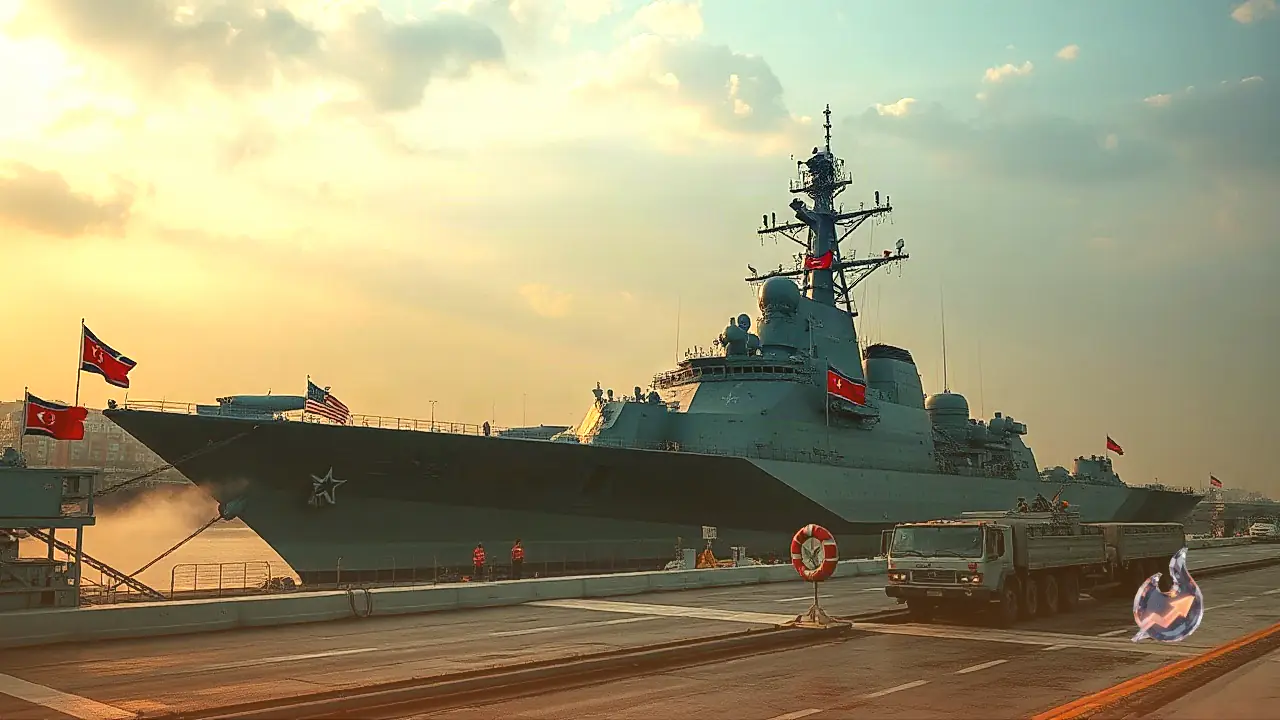

North Korea has significantly expanded its military capabilities by officially commissioning a new 5,000-ton destroyer named Kang Kon into its naval fleet. Supreme leader Kim Jong Un participated in the commissioning ceremony held at the eastern port city of Wonsan. State media reported that the vessel is described fundamentally as an aggressive warship designed to serve as a crucial component of the country's nuclear counteraction system, aimed at bolstering maritime defense and war deterrence.
Emphasis on Nuclear Capabilities and Counter-Action
During the ceremony in Wonsan, Kim Jong Un highlighted that the new-generation destroyer forms a core part of the nation's nuclear retaliation framework and must possess the capability to deliver lethal counterattacks against enemies. He stressed that developing the navy into a nuclear-armed force is imperative to further strengthen maritime defense and war prevention capabilities. The leadership noted that the country will continuously expand its naval power and deploy even more powerful strategic military assets in the future.
Future Naval Expansion and Submarine Projects
Analysts believe this ongoing naval expansion is closely linked to North Korea's development of nuclear-powered submarines, a project first made public during a major party meeting in January 2021. In December 2025, state media released images showing Kim inspecting an 8,700-ton nuclear-powered submarine under construction. The newly deployed Kang Kon will be assigned to the Eastern Sea Fleet to safeguard national sovereignty as a nuclear war deterrent force, coming less than three months after the induction of North Korea's first 5,000-ton destroyer, the Choe Hyon, which was designated to protect western waters.
Geopolitical Timing and Joint Military Drills
The announcement regarding the Kang Kon destroyer coincided with a five-day Freedom Edge military exercise conducted jointly by South Korea, the United States, and Japan. Pyongyang denounced the joint drills as a war rehearsal and responded immediately by announcing the deployment of the warship. Meanwhile, South Korea's Joint Chiefs of Staff maintained that the military exercises are strictly defensive and intended to preserve regional peace and stability.
Joining the Elite Club of Global Powers
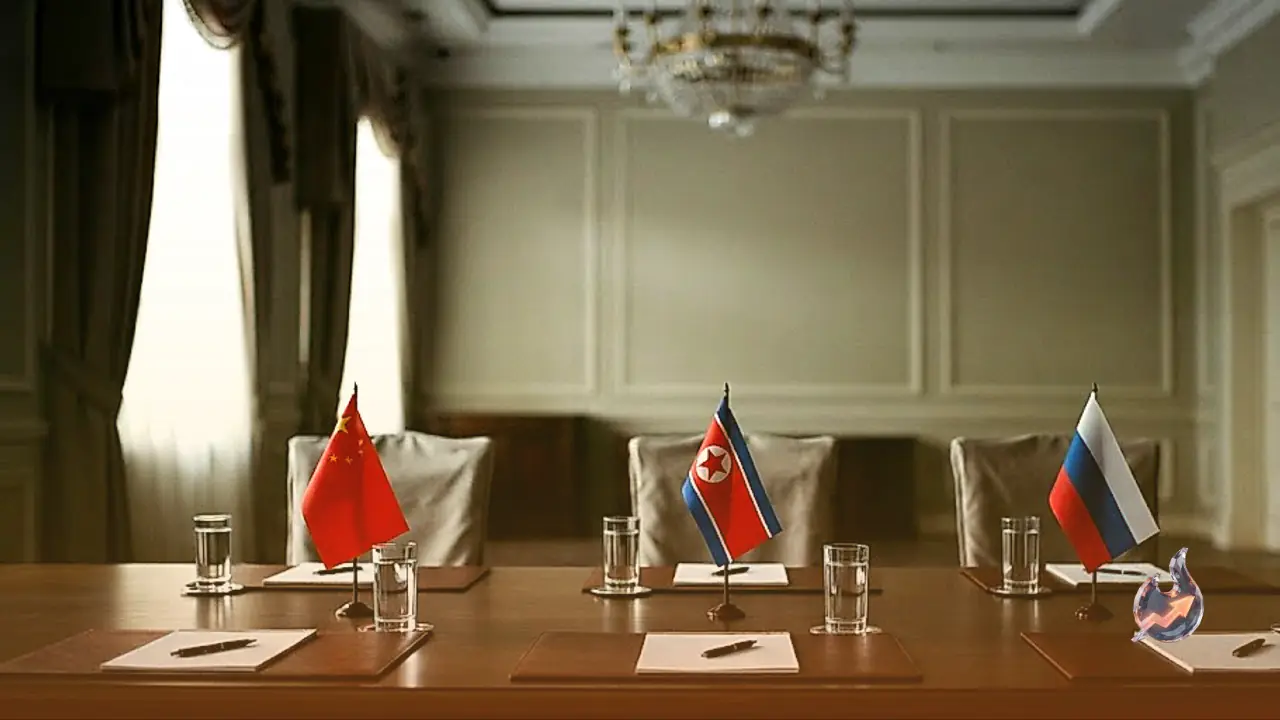
By integrating this advanced destroyer into its fleet, North Korea has entered an elite club previously exclusive to the United States, Russia, and China, which possess nuclear-capable naval destroyers. The US fields Arleigh Burke-class ships capable of launching Tomahawk missiles, Russia operates Udaloy-class and Sovremenny-class vessels carrying nuclear variants of Kalibr and Zircon missiles, and China deploys Type 055 and Type 052D destroyers equipped with long-range land-attack cruise missiles. North Korea's newly claimed nuclear-capable Choe Hyon and Kang Kon classes now establish its presence in this strategic domain as part of its state nuclear counteraction system.