


















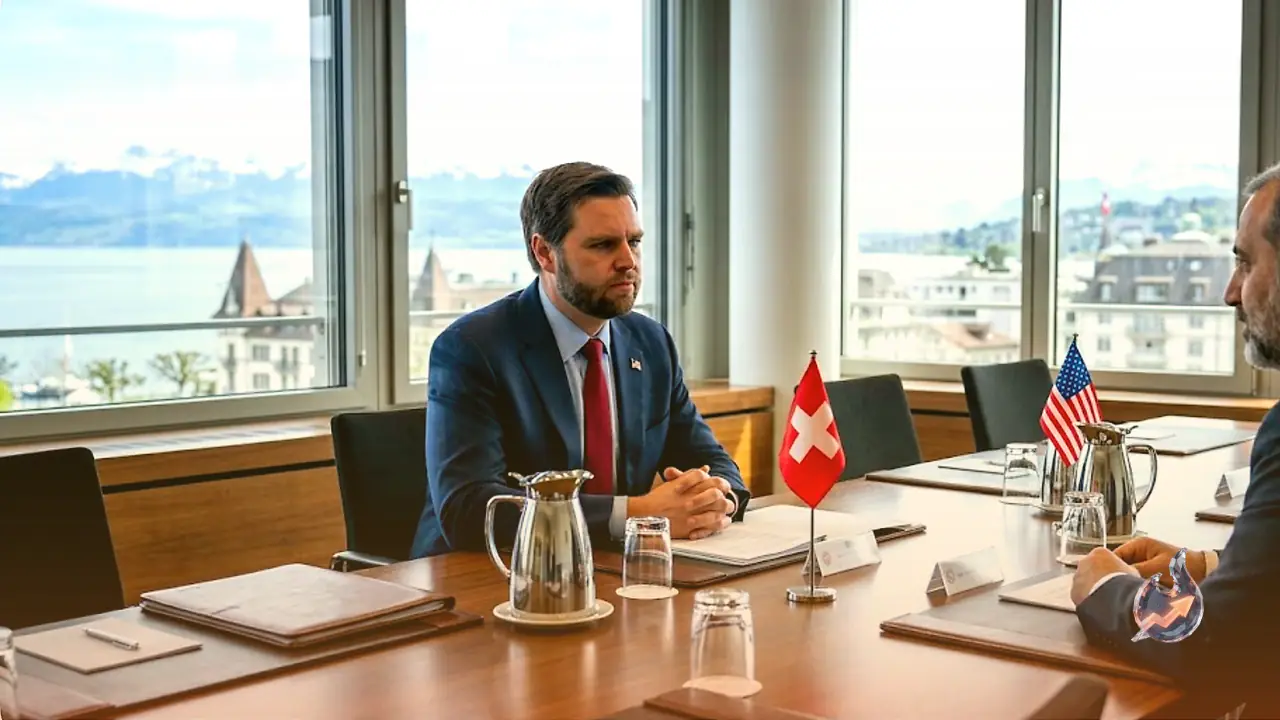

US Vice President JD Vance expressed optimism for a fresh start with Iran during key discussions in Switzerland on Sunday. These talks follow an interim accord finalized last week. However, the diplomatic effort is complicated by President Donald Trump's sharp warnings targeting Iranian involvement in Lebanon and the Strait of Hormuz. The combination of diplomatic outreach and stern warnings has cast a shadow of uncertainty over the negotiations.
Vance, accompanied by US negotiators, engaged in direct talks with Iranian Parliamentary Speaker Mohammad Bagher Qalibaf and Foreign Minister Abbas Araghchi at a resort near Lake Lucerne. Facilitated by Qatari and Pakistani intermediaries, the direct session ran for approximately 80 minutes, according to Iranian state media. Supplementary closed-door meetings were also conducted with Pakistani and Qatari representatives.
Trump’s Warnings and Iran’s Defiant Stance
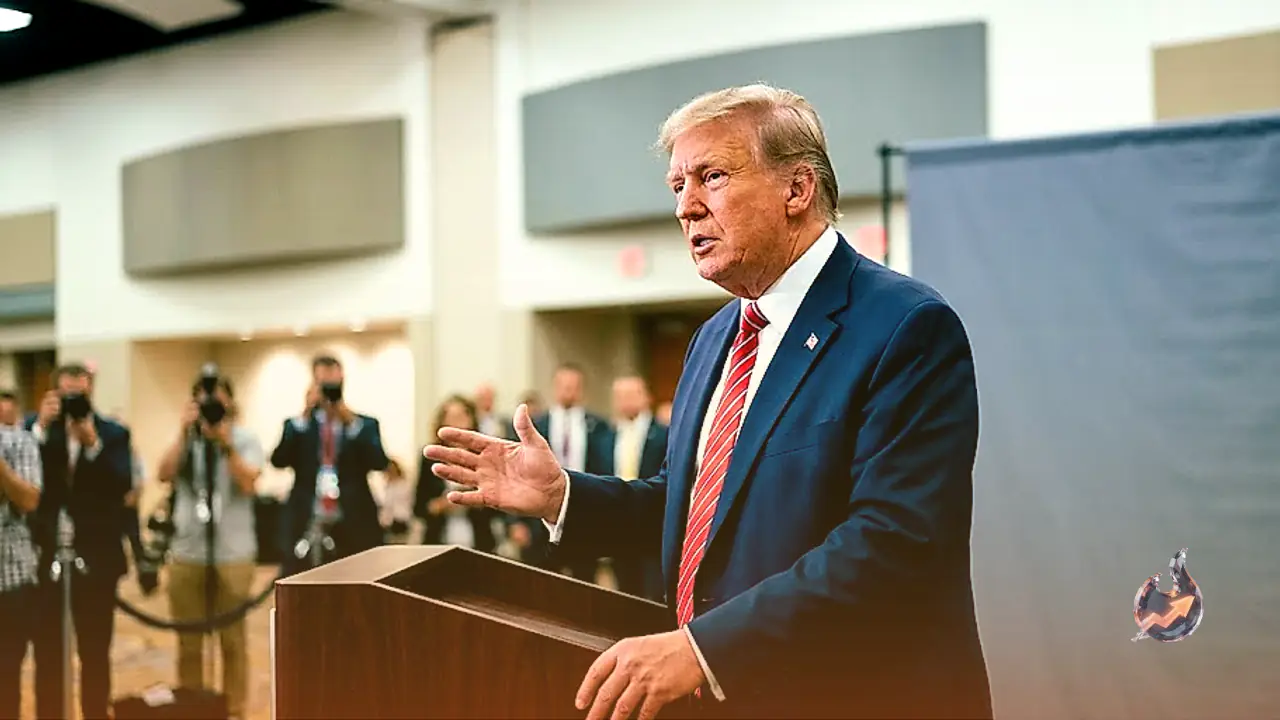
Parallel to these sessions, Trump issued stern warnings on Sunday. Focusing on Lebanon, he demanded that Iran immediately stop funding its proxy groups causing instability there. He warned of massive military retaliation, promising to hit Iran harder than last week's strikes if they did not comply. Trump also highlighted potential actions over Iranian support for Hezbollah and any threats to the Strait of Hormuz.
Qalibaf fired back on the social media platform X, telling US leadership to watch their words. He stated that Iran's armed forces are fully prepared for an unconventional response, adding that while the US talks, Iran acts. Following this friction, Iranian state media indicated that the negotiations entered a challenging phase.
Iranian state media reported a temporary halt in the talks after an allegedly offensive US communication, prompting the Iranian team to consult Qatari mediators and exit the venue. However, an anonymous source close to the developments informed TrendKia that Iran remains committed to the negotiation process.
Understanding the Nuclear Deal and Oil Transit
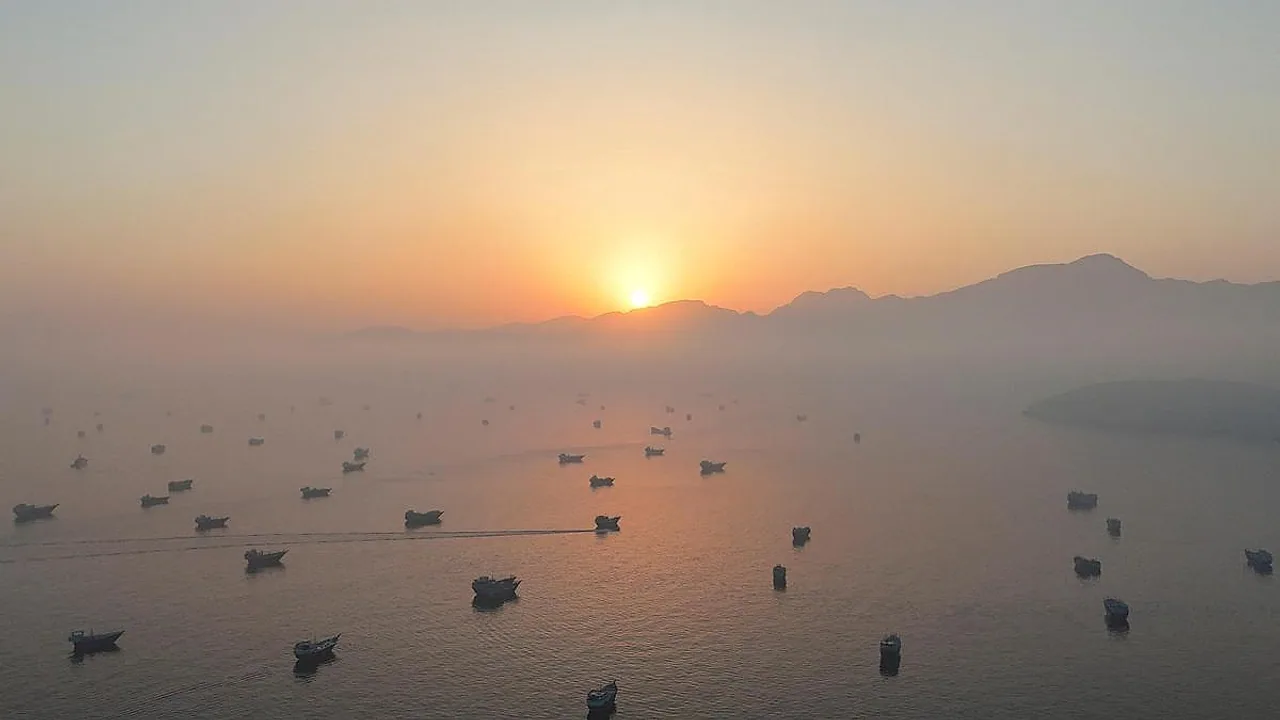
The US wants to ensure Iran's nuclear program remains peaceful, addressing fears that it could be redirected for military use, a claim Tehran continues to deny. Vance is also emphasizing the necessity of keeping the Strait of Hormuz open. This vital trade route handles roughly one-fifth of the world's traded oil. Despite the tension, US officials noted that significant volumes of oil successfully navigated the strait recently.
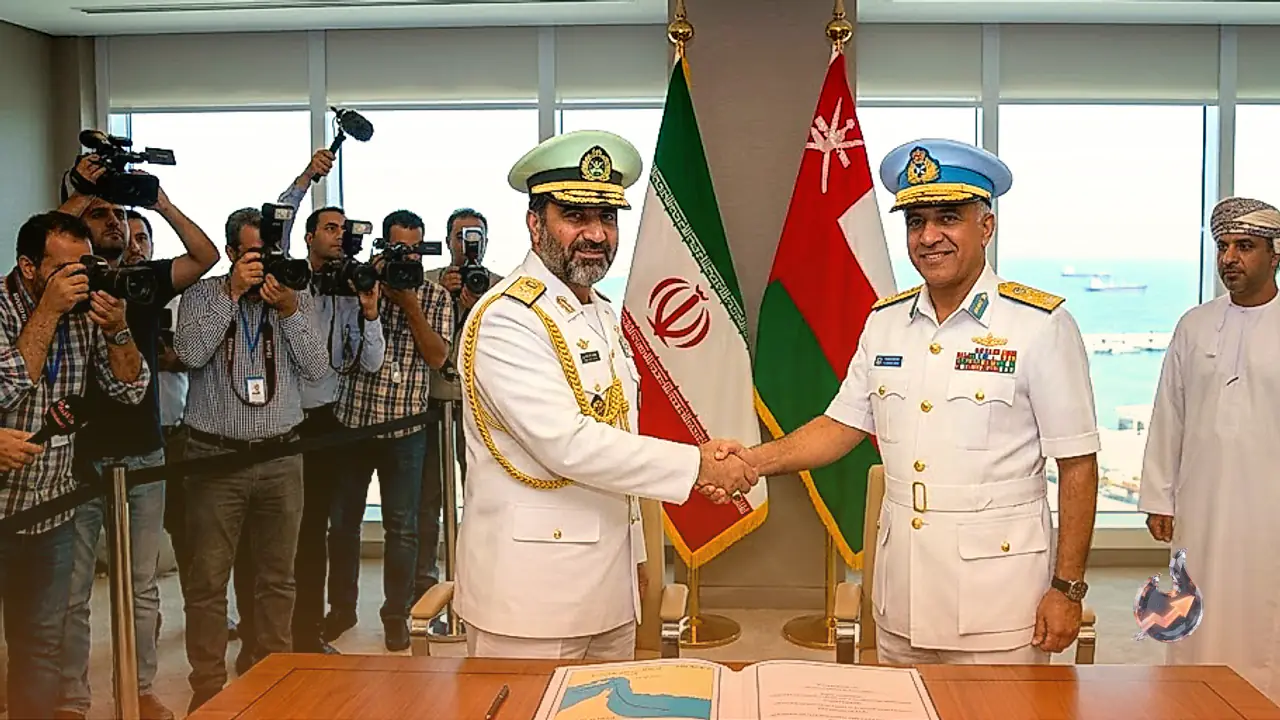
The interim deal signed last week gives both nations 60 days to iron out technicalities. Under its terms, Tehran can immediately resume free oil sales and gain access to billions of dollars in frozen funds. In return, Iran must dilute its stockpiles of highly enriched uranium.
Iranian President Pezeshkian stood firm on Iran's nuclear rights, declaring that Tehran would never surrender its right to enrich uranium, and that foreign powers must accept this stance. Meanwhile, Trump reinforced his position during a phone interview with Fox News on Sunday.
Iran's Foreign Ministry spokesperson Esmail Baghaei stated that the delegations aimed to prioritize the conflict between Israel and Hezbollah, noting that executing the agreement is more critical than merely signing it. Just days after the deal, renewed escalations in Lebanon tested the stability of the truce.
Ceasefire Dynamics and Geopolitical Challenges
Iran's military claimed to have shut down the Strait of Hormuz again, but US Central Command refuted this, stating they are monitoring the passage to ensure uninterrupted transit. Vance confirmed millions of barrels of oil recently cleared the waterway, while a Saturday-brokered ceasefire in Lebanon seemed to hold.
Vance was assisted by special envoy Steve Witkoff and Jared Kushner, who arrived early to handle technical nuclear details. Vance's brief stay of one to two days leaves the heavy lifting to Witkoff and Kushner. His active involvement has sparked speculation regarding a potential 2028 presidential campaign.
Republican hard-liners have criticized the deal, comparing it to the Obama era joint agreement, which Trump previously argued failed to stop Iran's nuclear ambitions. The current terms allow merchant ships to navigate the Strait of Hormuz free of charge for 60 days, though Iran could introduce fees later.
Trump had previously threatened on Saturday to levy US tolls if a final agreement is not reached within 60 days, suggesting the revenue would compensate the US for acting as a Guardian Angel to Middle Eastern nations. To steady global markets rattled by fuel price volatility, the administration welcomed a nearly 8 percent drop in oil futures following the announcement of the deal.
Adding to the complexity, Israel and Hezbollah are not signatories to the US and Iran pact. Israeli Prime Minister Benjamin Netanyahu asserted that Israeli troops will remain in southern Lebanon until all threats are neutralized. Hezbollah countered that it will not halt hostilities unless Israel agrees to a full withdrawal. Talks under Lake Lucerne's mediation continue as both nations map out their next moves.