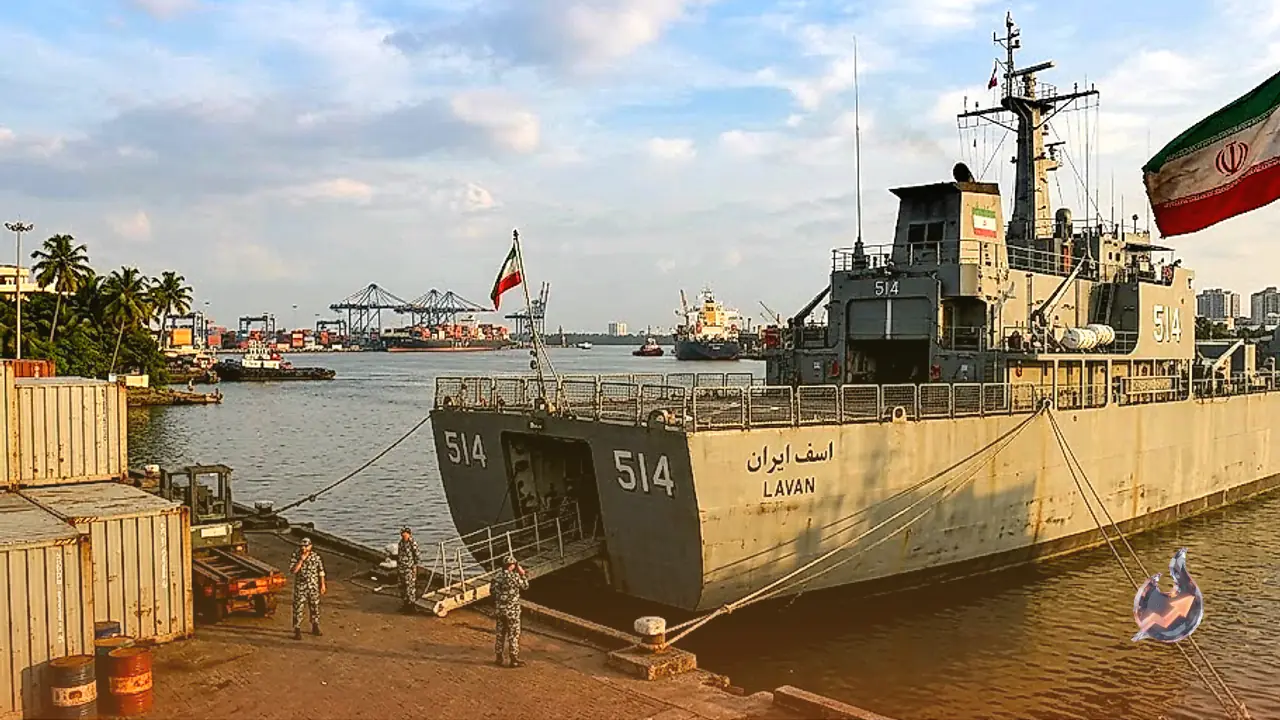























US President Donald Trump issued a fresh and stern ultimatum to Iran, claiming that Iranian leaders appear privately interested in holding talks but remain unwilling to negotiate openly. The administration accused Tehran of displaying a deeply contradictory attitude, while Iran firmly rejected any direct dialogue with Washington, declaring it would not speak with the president under any circumstances. Simultaneously, the military confrontation has triggered intense political pressure at home, raising questions about whether the ongoing conflict might take an unexpected U-turn.
Tehran Strengthens Ties With Oman
Amid escalating military friction, Iran has taken a significant diplomatic step by expanding its partnership with Oman. Iranian officials stated that discussions regarding the Strait of Hormuz are making steady progress, while regional intermediaries including Qatar and Pakistan work quietly behind the scenes. These developments suggest that diplomatic channels remain open despite the tense security climate.
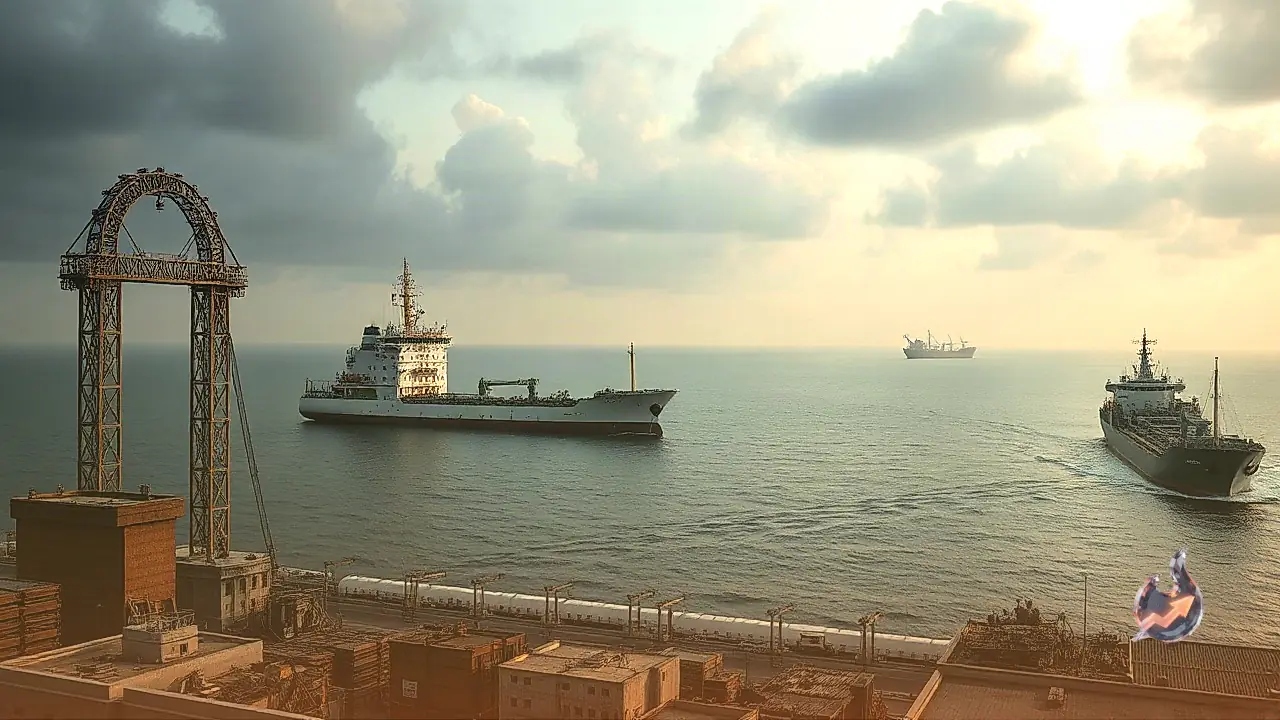
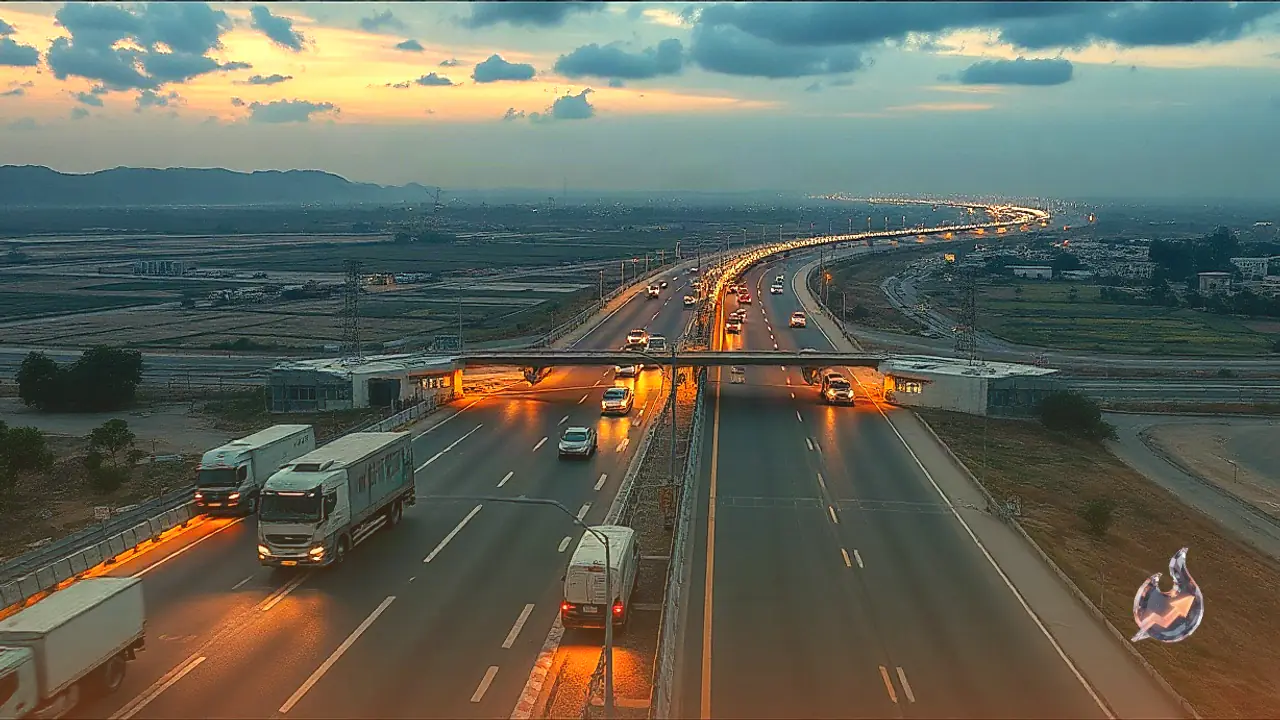
The Iranian Foreign Ministry announced that talks with Oman are primarily focused on establishing a temporary maritime route for vessel transit by merging Iranian and Omani waters until a permanent agreement can be reached. Creating a single provisional maritime pathway could serve as an initial confidence-building measure between Washington and Tehran. However, Iranian officials emphasized that no direct negotiations are currently taking place with the US regarding the strait.
Strong Warnings From Iranian Officials
Reiterating its defensive readiness, Iran warned that its military deterrent capabilities remain fully intact. The Islamic Revolutionary Guard Corps declared it is fully prepared to counter any potential threat, whereas the US Central Command maintained that American forces stand ready to protect commercial shipping in the strait.
Mohsen Rezaei, military advisor to Iran's Supreme Leader Mojtaba Khamenei, issued a direct warning to the US concerning the naval blockade of Iranian ports. He wrote on X that if the blockade persists, American vessels and troops will face severe hazards and heavy losses. He asserted that the US must alter its behavior, warning that Tehran will neither tolerate the situation nor permit the opening of a secondary corridor in Hormuz.
Domestic Backlash Against the Administration
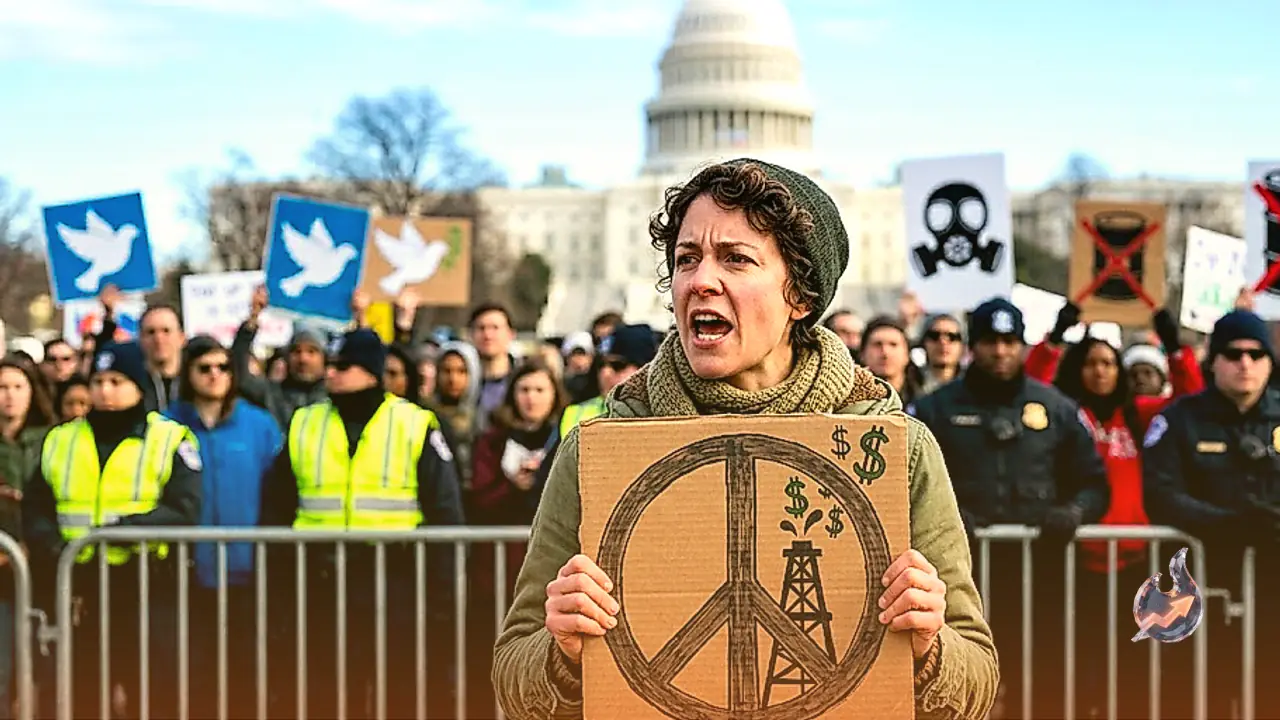
Back in Washington, the conflict has generated fierce criticism from political opponents. US Senate Minority Leader Chuck Schumer launched a sharp attack against the administration's handling of the crisis, accusing leadership of favoring campaign donors tied to the petroleum industry while ordinary citizens bear the burden of surging energy costs. Schumer wrote on X that the unauthorized conflict with Iran serves as a payoff to big oil allies who funded the campaign in exchange for profit-driven promises.
Emerging Regional Maritime Coalition
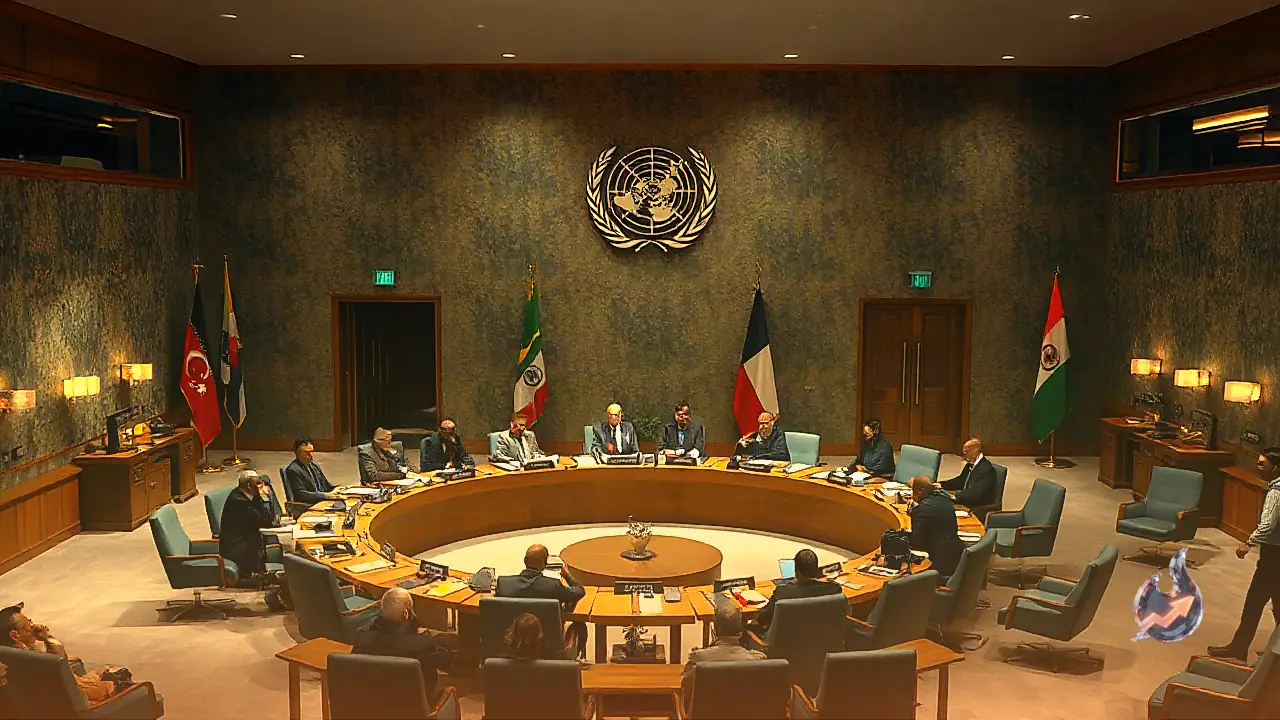
Meanwhile, regional security frameworks are shifting as Saudi Arabia unveiled plans for a new coalition aimed at protecting maritime traffic, global commerce, and energy shipments across the Bab el-Mandeb strait, the Red Sea, and the Gulf of Aden. Following a high-level meeting in Riyadh involving 43 nations and the European Union, officials disclosed that 14 countries, including Turkey, Pakistan, Egypt, Sudan, and Djibouti, have backed the proposed security initiative. Notably, among the six Gulf Arab states, neither Oman nor the United Arab Emirates were listed as supporters of the coalition.