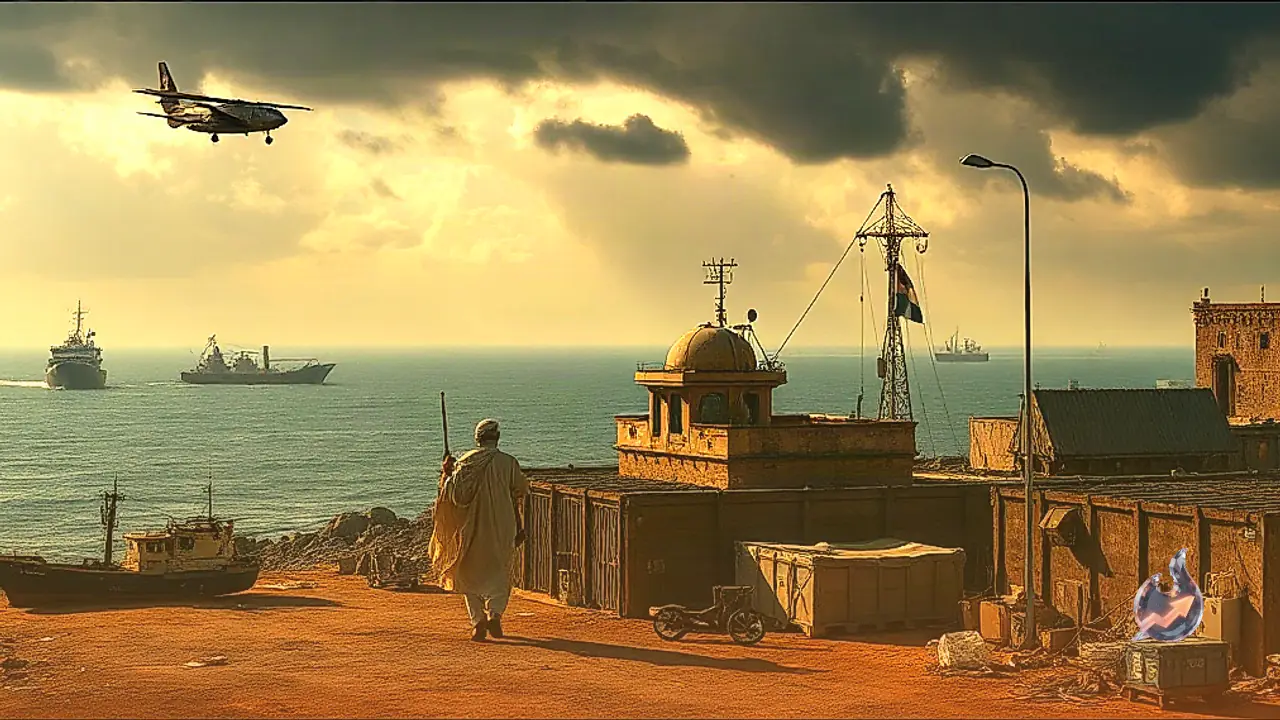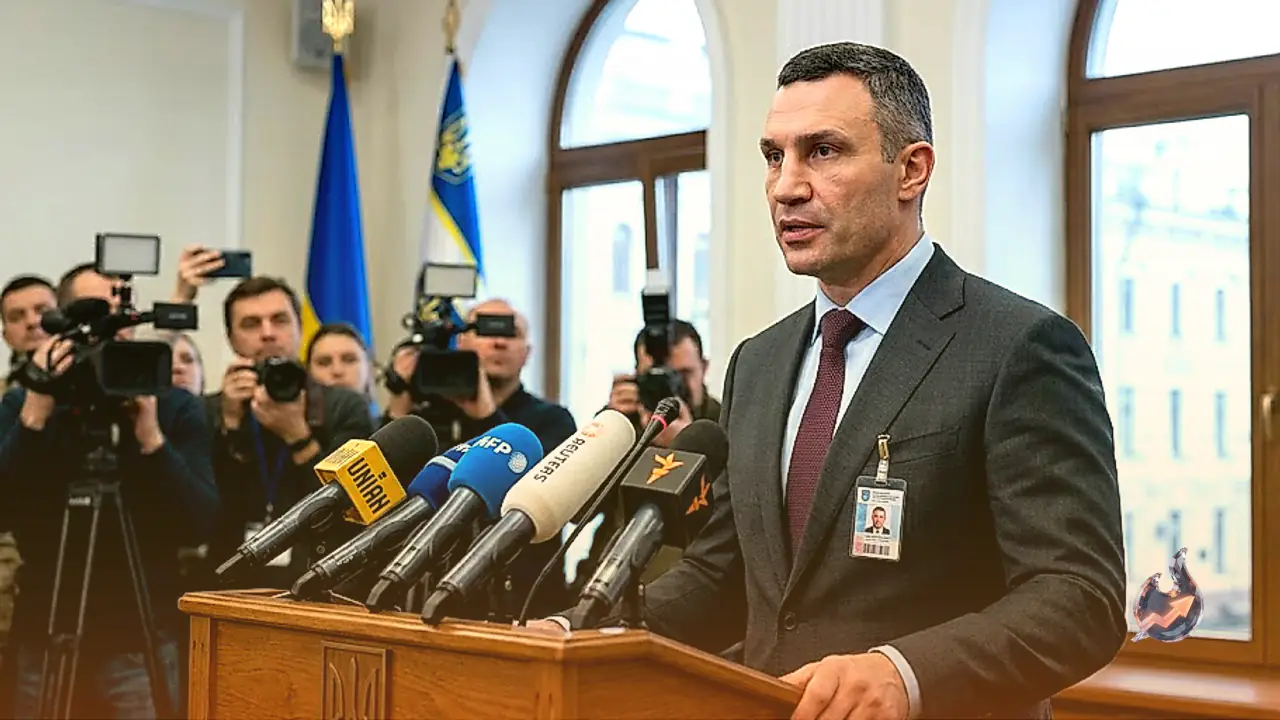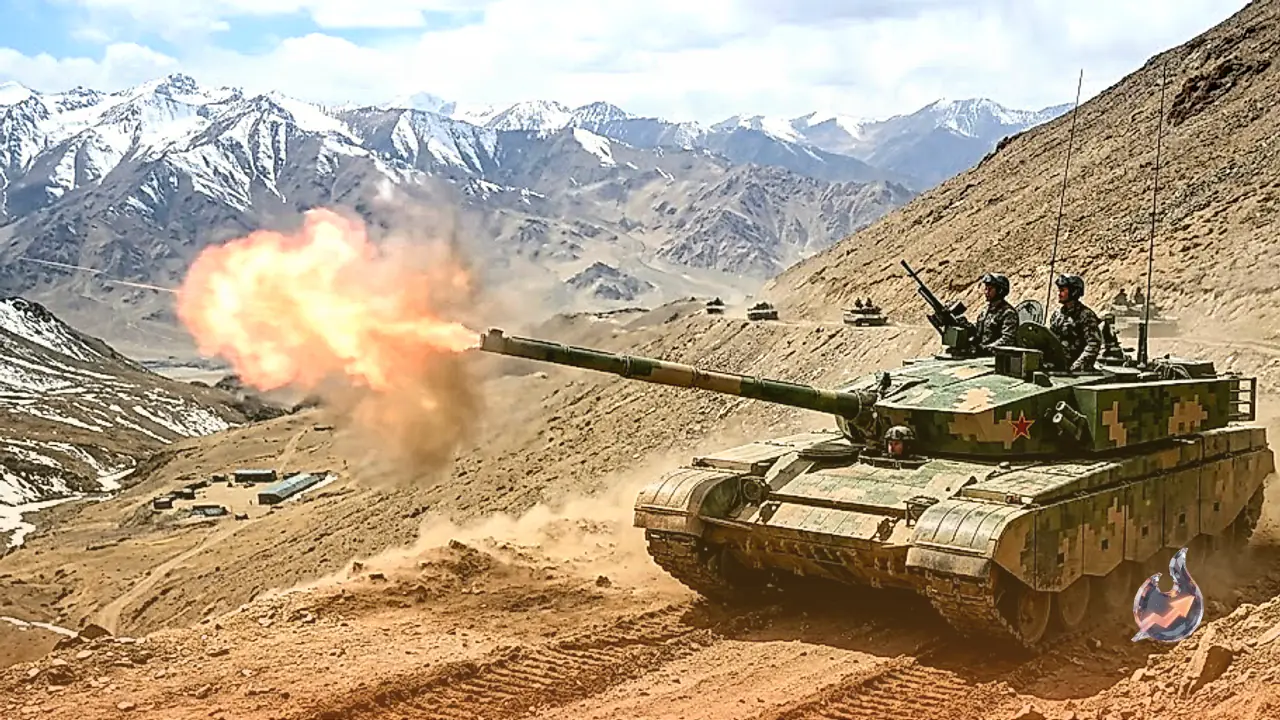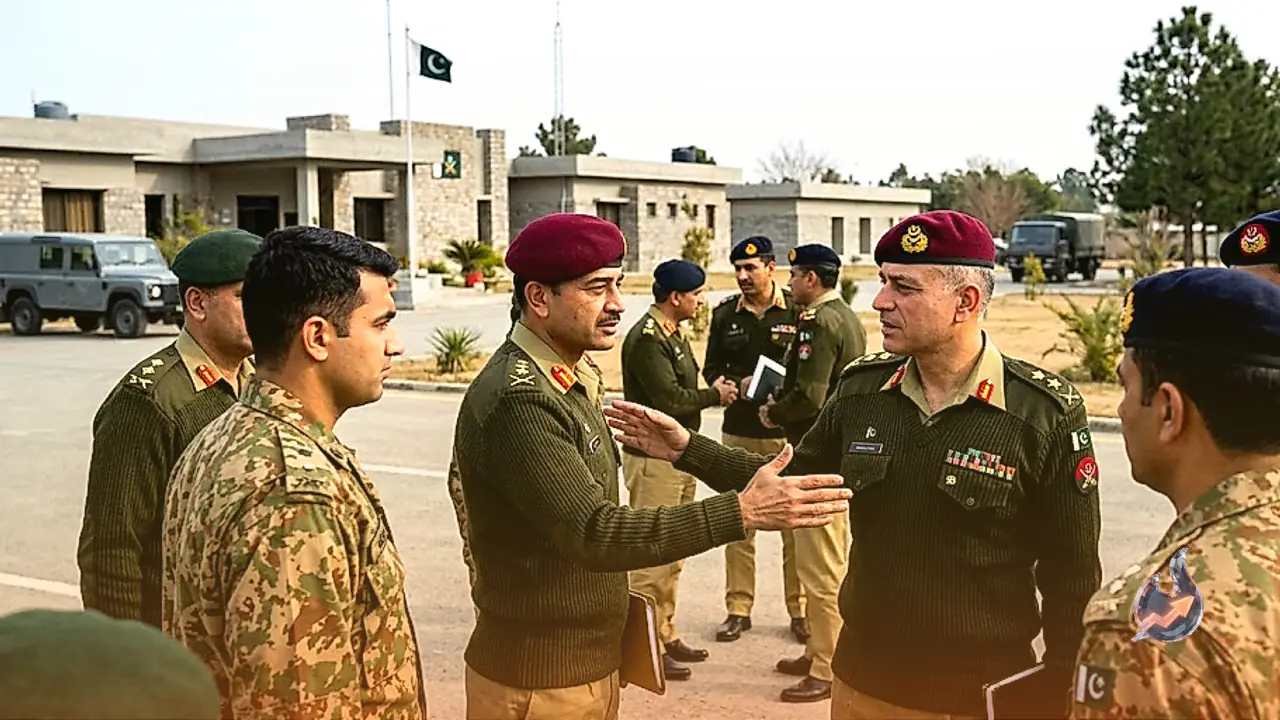






















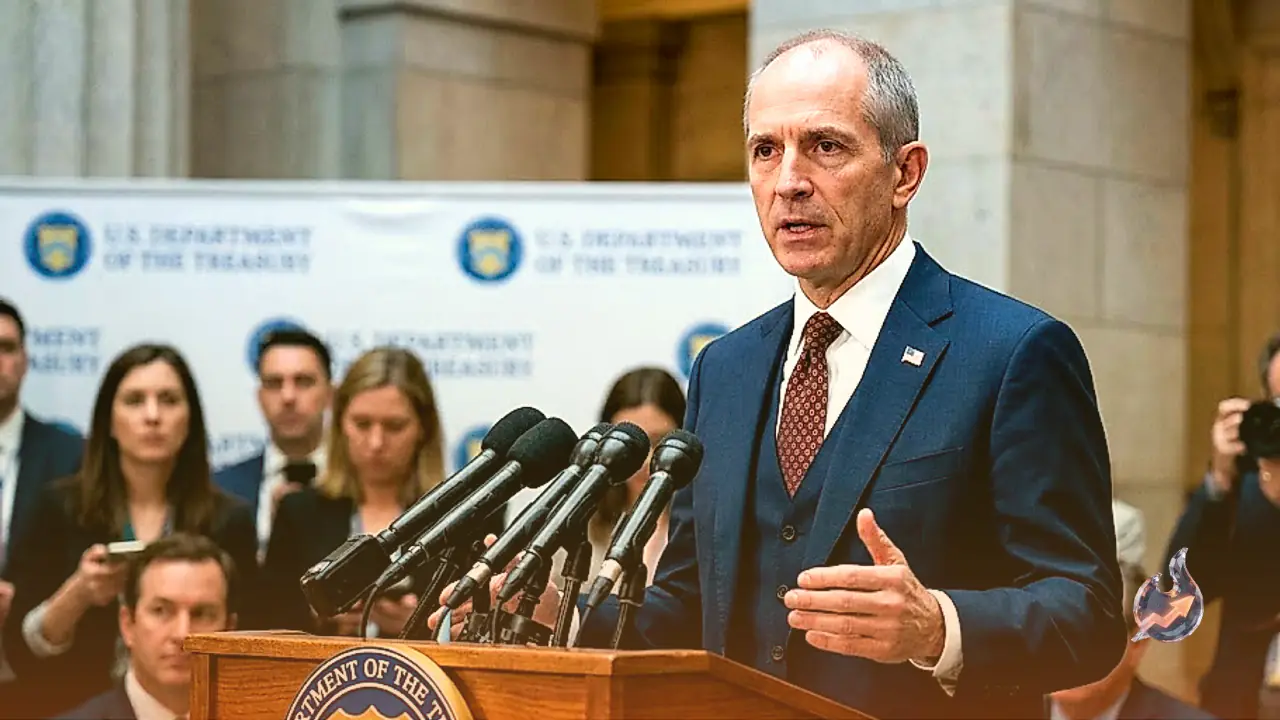

Geopolitical tensions across the Middle East have escalated significantly in recent times, marked by exchanges of strikes between the United States and aligned factions. Amid ongoing uncertainty regarding the reopening of vital maritime passages, early signs of diplomatic progress have begun to emerge. US Treasury Secretary Scott Bessent has expressed confidence that an agreement between Washington and Iran to fully restore traffic through the Strait of Hormuz could materialize as early as today or tomorrow.
Ongoing Dialogue and Positive Trajectory
During an interview with CNBC, Treasury Secretary Scott Bessent stated that diplomatic communications between the two nations remain active, with constructive progress being made toward normalization. He noted that ongoing discussions with Iran foster optimism that an accord could be reached imminently. Such an agreement would facilitate the complete reopening of Hormuz, representing a vital step toward de-escalating the broader regional standoff.
Addressing Transit Fees and Toll Speculation
When questioned about whether the prospective arrangement would permit Iran to levy transit fees on passing vessels, Bessent dismissed the notion firmly. He emphasized that the primary objective of the negotiation is to guarantee uninterrupted commercial navigation through the strait. Consequently, ships from all nations would be permitted to traverse the crucial marine corridor without incurring any extra financial charges or tolls.
He further acknowledged that the preceding period had presented severe operational hurdles, yet multiple cargo vessels had managed to navigate the passage regardless. The overarching ambition of the American administration is to secure a swift pact that fully normalizes maritime transit along this strategic route.
Tehran Stance and Regional Diplomacy
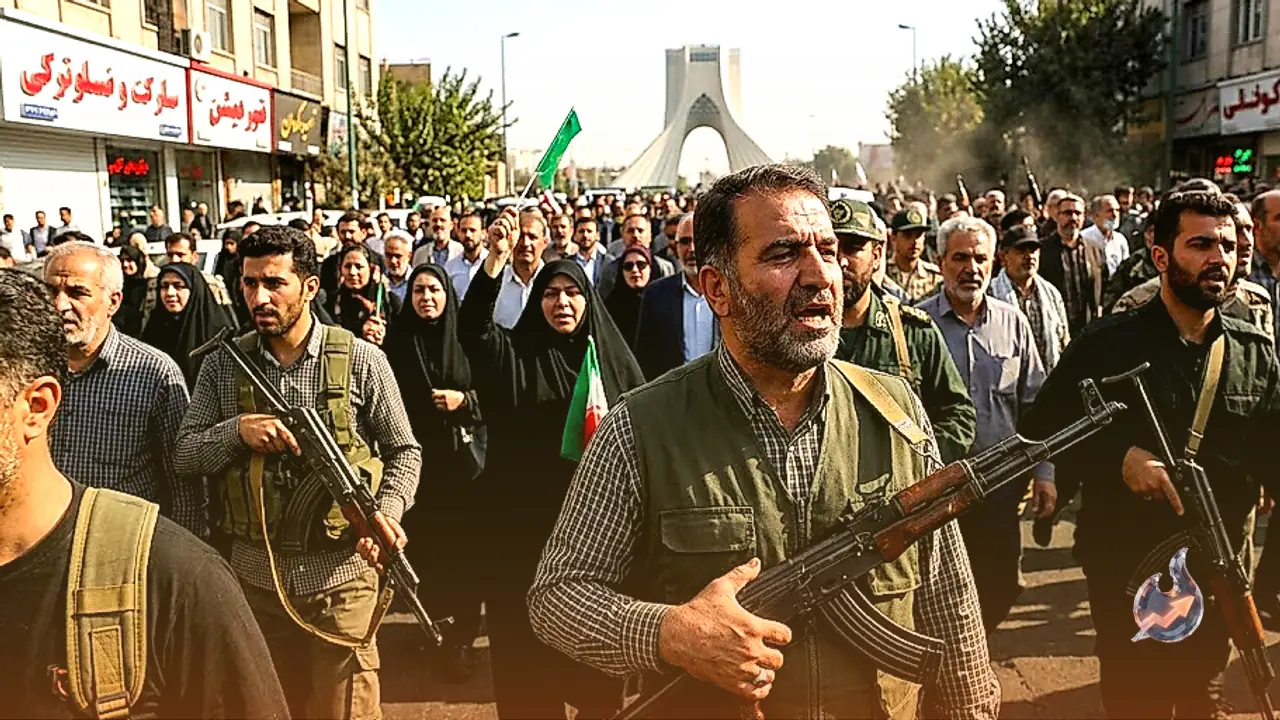
Earlier on Tuesday, Iranian President Masoud Pezeshkian asserted that his administration harbors no desire to escalate existing tensions further. Nevertheless, he cautioned that should the nation security, territorial borders, or sovereignty face genuine threats, Tehran would not hesitate to deploy all necessary measures in self-defense.
According to Iranian state broadcaster IRIB, President Pezeshkian delivered these remarks during the inauguration of the second phase of the Family Medicine and Referral System National Plan. He stressed that the paramount imperative under current circumstances is bolstering domestic resilience and reinforcing national solidarity.
Bilateral Shipping Discussions With Oman
Concurrently, diplomatic engagements are underway between Iran and Oman concerning vessel transit mechanics within the strait. Iranian Foreign Ministry spokesperson Esmaeil Baghaei revealed that both countries are actively exploring the establishment of a joint bilateral shipping route.
Addressing a press conference cited by the Iranian news agency IRNA, Baghaei explained that if this proposed framework secures mutual endorsement, it could eventually replace the current operational model. Presently, commercial shipping utilizes multiple distinct maritime lanes within the Strait of Hormuz.