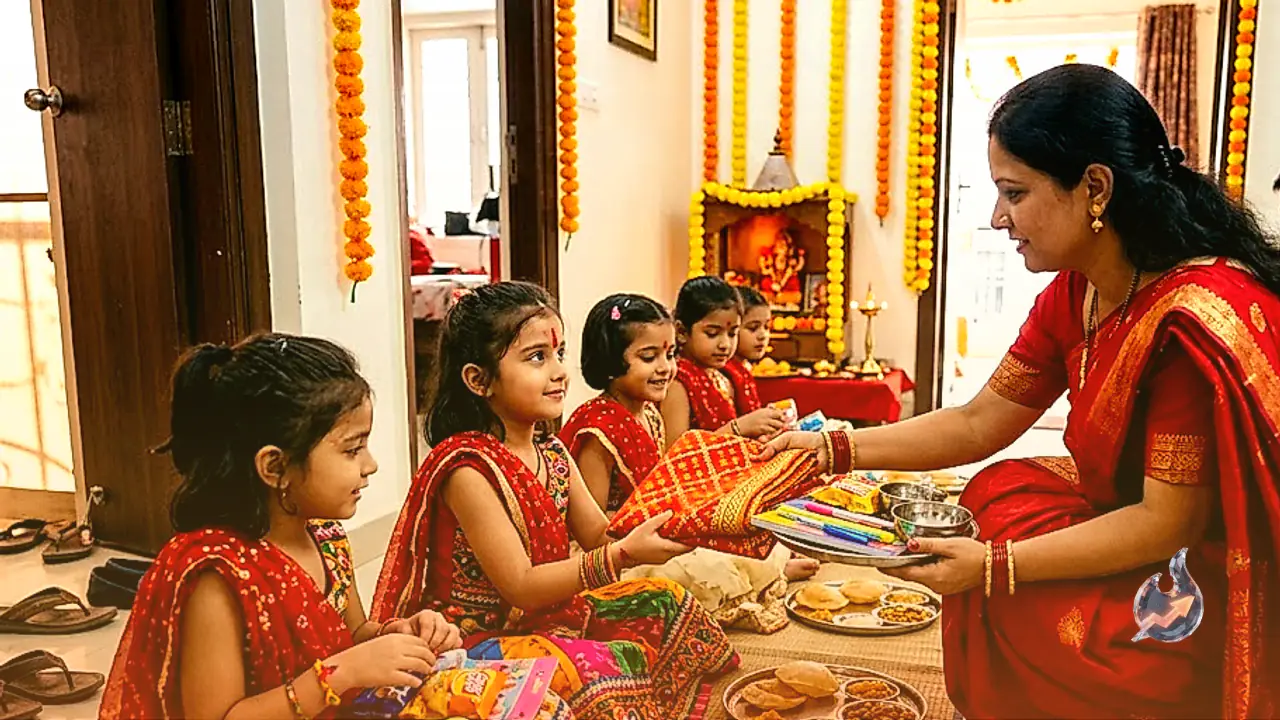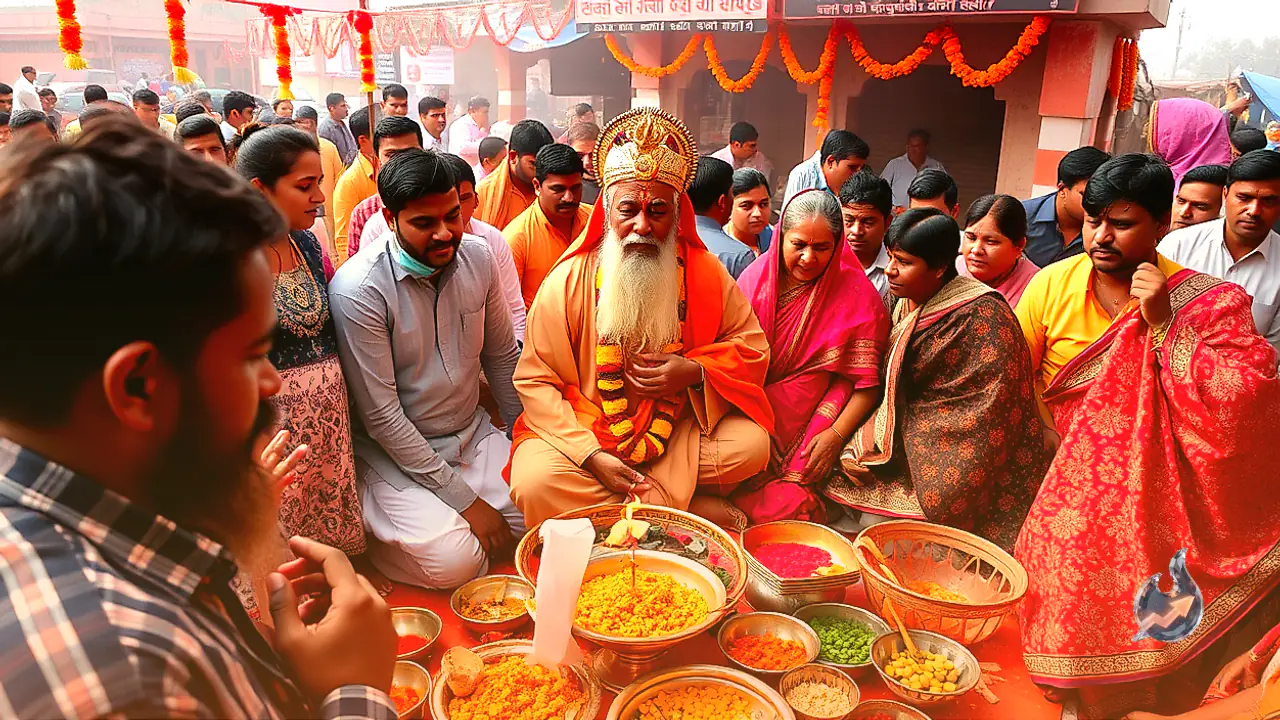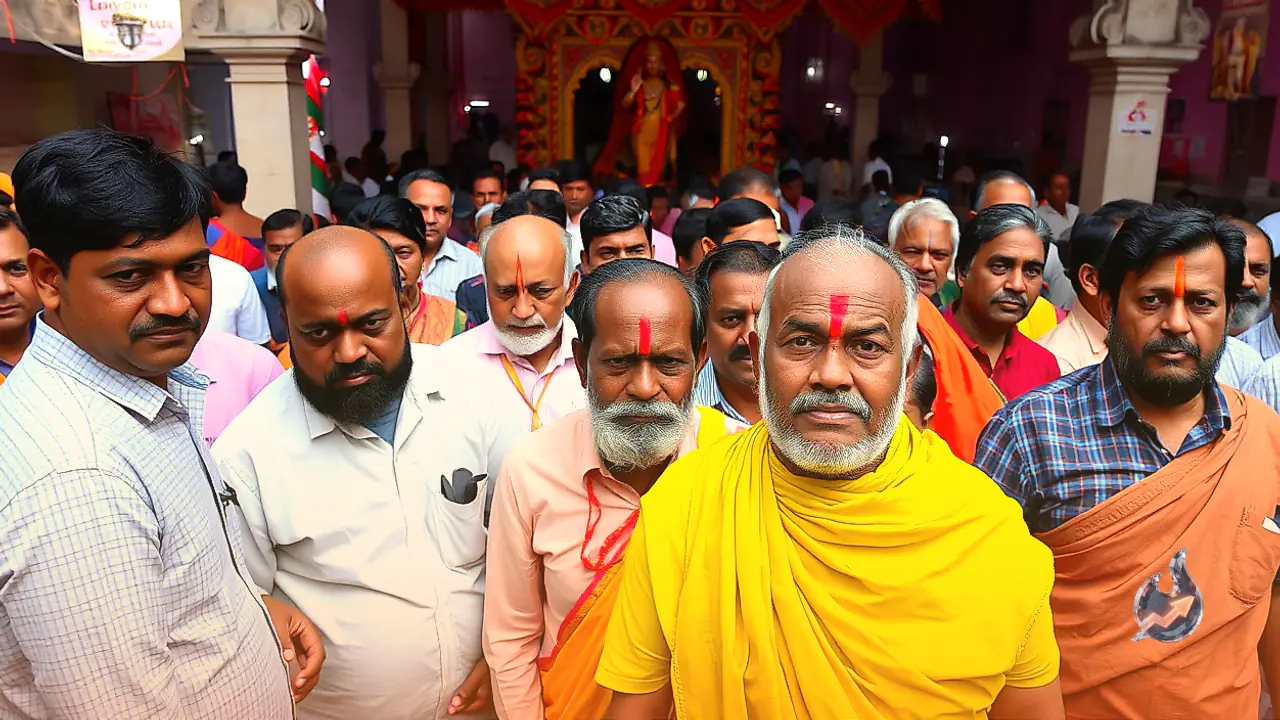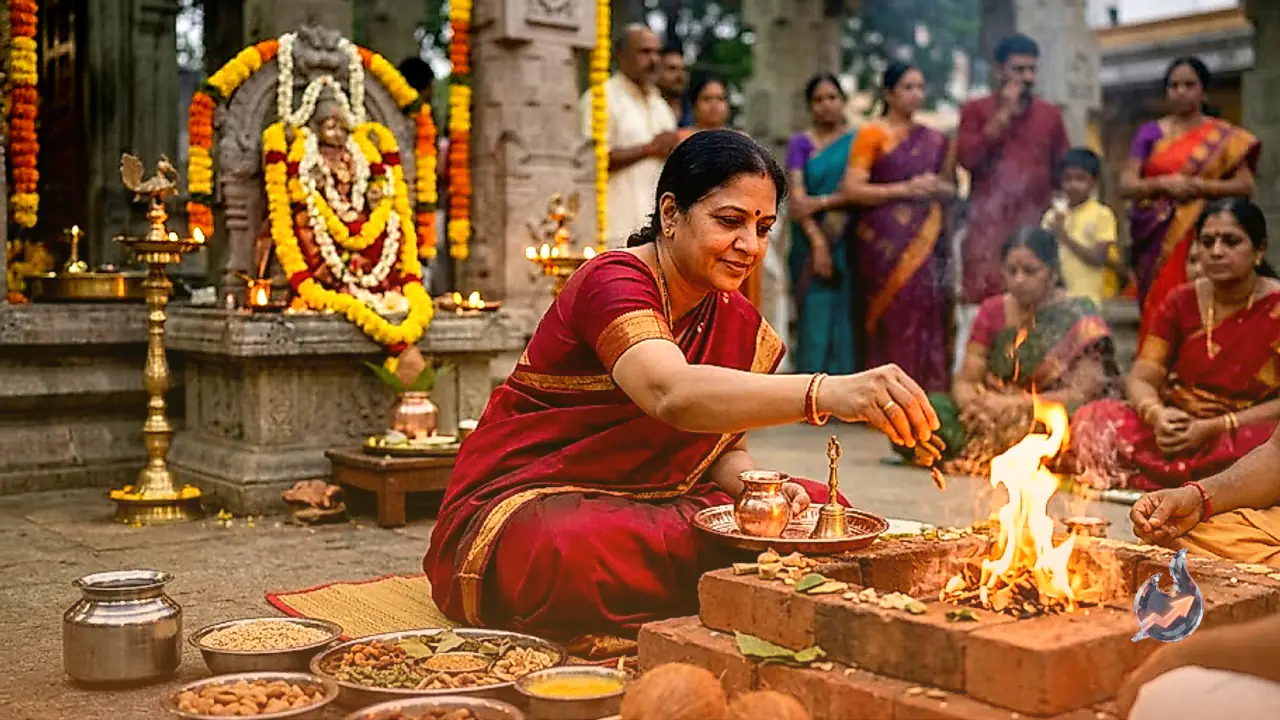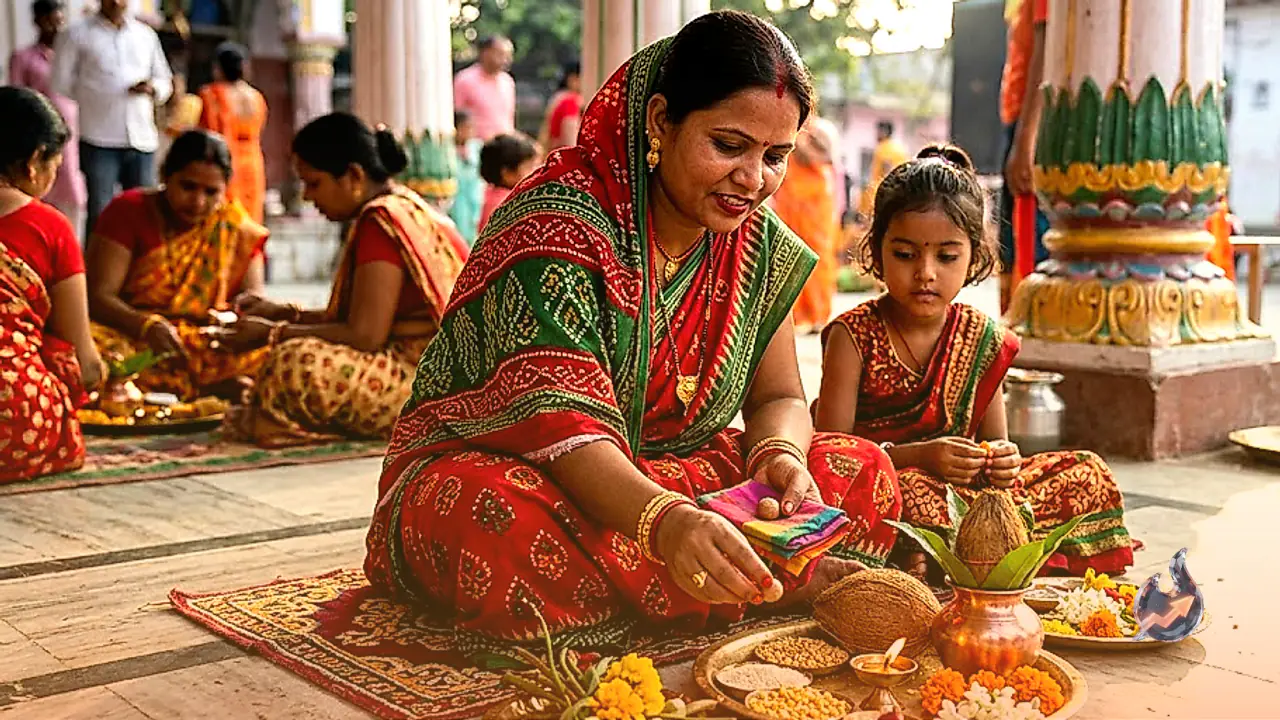

























Devotees across India and around the world prepare to conclude the fortnight dedicated to honoring departed ancestors as Mahalaya Amavasya falls on Saturday, October 10, 2026. This solemn occasion signifies the end of the 15-day Mahalaya Paksha observance, commonly known as Pitru Paksha. Serving as the final and most comprehensive opportunity during this sacred period, the day allows families to express deep gratitude and perform vital religious rites for previous generations.
Panchang Schedule and Key Timings for the Sacred Day
Calculations provided by the Chennai Panchang outline the precise schedule for the observance. The Amavasya Tithi is set to commence on the night of Friday, October 9, 2026, at 9:35 PM. The lunar phase will run throughout the following day, reaching its formal conclusion on Saturday, October 10, 2026, at 9:19 PM. Because ancestral ceremonies are daytime observances tied to the prevailing lunar tithi and solar cycle, the rituals are observed on Saturday, October 10.
The broader observance of Pitru Paksha began on Sunday, September 27, 2026, culminating with this final day on Saturday, October 10, 2026. Depending on regional customs and local linguistic practices, this holy day is also commonly referred to as Sarva Pitru Amavasya, Pitru Amavasya, or Mahalaya Amavasa.
Understanding Local Muhurat Differences Across Cities
While the Chennai Panchang provides standard time markers, the exact time suitable for performing ancestral ceremonies cannot be determined solely by the starting and ending hours of the Amavasya Tithi. In traditional practice, the auspicious time window depends significantly on the local sunrise, solar elevation, and specific scriptural mandates governing daytime rites.
Ceremonies such as Shraddha are traditionally conducted during specific afternoon windows, most notably the Kutup Muhurat and Rohina Muhurat, aligned with individual family customs and local almanac standards. Consequently, families residing in different metropolitan regions such as Chennai, Delhi, Mumbai, Kolkata, and other cities must account for varying local timings. Those intending to perform Shraddha, Tarpanam, or Pinda Daan on October 10 should consult their respective regional Panchang to identify the precise Muhurat applicable to their geographic area.
Significance of Pitru Rina and Collective Ancestral Rites
Mahalaya Amavasya holds profound theological significance within Hindu philosophy, tying directly into the concept of Pitru Rina, or the inherent debt one owes to ancestral forebears. The observance offers a structured way to acknowledge previous generations and appreciate their enduring influence in laying down cultural foundations, familial heritage, and moral values.
Families observe the occasion through sacred rituals including Shraddha, water oblations known as Tarpanam, offerings of sacred rice balls known as Pinda Daan, as well as charitable acts like feeding others and providing donations. These acts serve as an expression of enduring reverence, seeking blessings for harmony and spiritual peace across the family line.
Resolving Forgotten and Missed Death Anniversaries
Beyond its general spiritual merit, Sarva Pitru Amavasya carries a unique practical role for households navigating incomplete genealogical records. In many families, the precise lunar Tithi of a deceased forebear may be lost to time, or circumstances may have prevented individuals from performing the rites on the designated day earlier during the 15-day period.
The concluding day serves as a universal, all-encompassing opportunity to offer prayers and food offerings for multiple departed ancestors collectively. By participating in the rites on Mahalaya Amavasya, devotees ensure that no forebear is omitted from the annual cycle of remembrance, fulfilling their family obligations with devotion and peace of mind.