




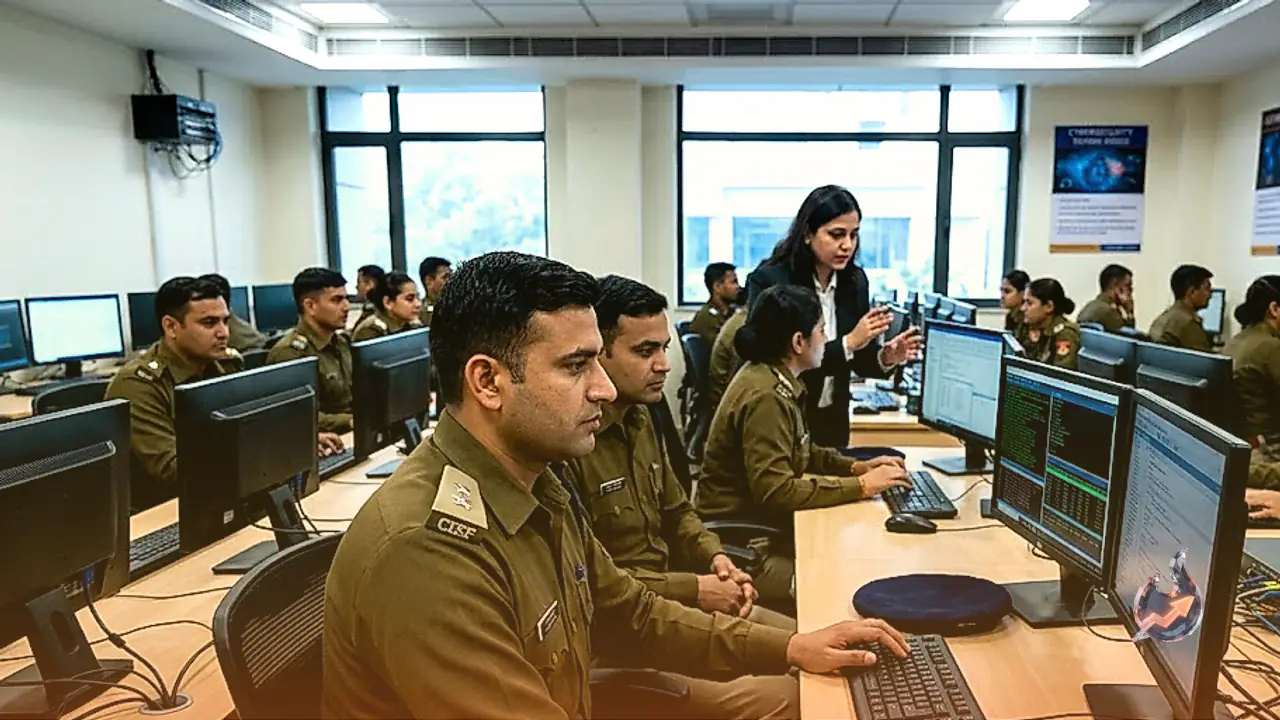

















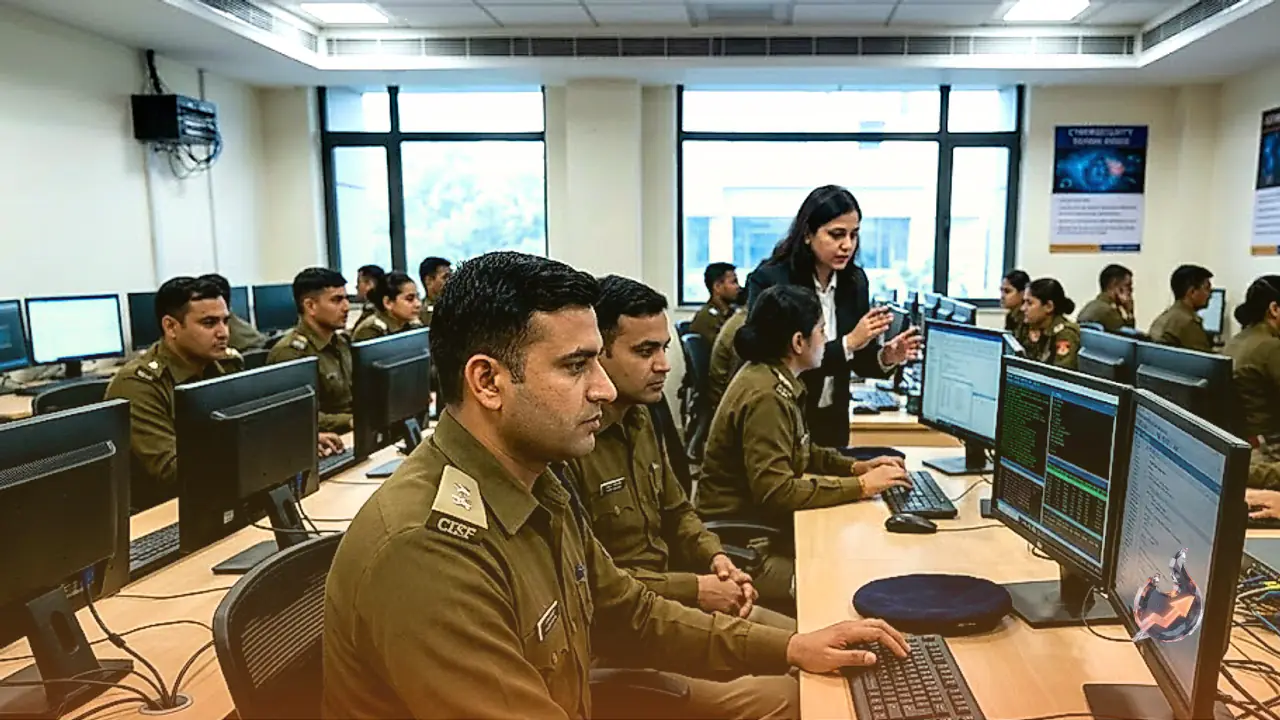

Expanding beyond physical perimeter protection and passenger screening, the Central Industrial Security Force has substantially bolstered its technical defenses against emerging virtual threats. A specialized cohort of 40 personnel drawn from various Airport Security Groups across the country recently completed an intensive 84-day technical curriculum. Departing from standard checkpoint rotations, these personnel spent long hours in advanced classroom environments mastering complex concepts of modern electronic warfare. The mission behind this extended initiative is to shield the nation's most sensitive aviation hubs from silent, perimeter-free digital intrusions that could disrupt vital operations.
Extensive 84-Day Program Conducted Across Premier Forensic Institutes
The specialized instruction was designed to build operational competence against evolving technological challenges. Organized under the banner of Cyber Security and Incident Response, the 84-day program commenced on 13 July 2026 and concluded on 8 October. The curriculum was delivered through the academic and technical facilities of the Lok Nayak Jayaprakash Narayan National Institute of Criminology and Forensic Science alongside the National Forensic Sciences University in Delhi. Forty personnel assigned to distinct Airport Security Groups actively participated in the structured modules to bridge the gap between aviation security and critical digital resilience.
Core Focus on Attack Detection, Swift Response, and Digital Forensics
Rather than confining instructions to classroom theory, the coursework emphasized actionable investigation and rapid incident mitigation. Trainees received rigorous exposure to the modern threat landscape, network defense, system integrity, digital forensics, and structured emergency response workflows. Security personnel were trained to spot early indicators of compromise, trace suspicious access vectors, and execute rapid countermeasures to contain ongoing disruptions. This comprehensive preparation aims to fortify mission-critical aviation infrastructure against sophisticated intrusion techniques designed to bypass conventional physical security perimeters.
Field Visits to Specialized Infrastructure Provide Practical Exposure
To supplement theoretical learning with operational reality, the trainees were taken to several high-profile installations and technical facilities across the capital region. The exposure visits encompassed organizations including IFSO, CFSL, Powergrid, DMRC, and UIDAI. These field excursions allowed personnel to observe live security operations centers, forensic examination setups, and automated incident handling protocols in high-stakes environments. Engaging directly with these operational setups offered trainees practical insight into how critical national utilities maintain digital resilience under continuous scrutiny.
Strengthening Digital Readiness for High-Security Aviation Facilities
The completion of the course was marked by a valedictory ceremony attended by NFSU Delhi campus Deputy Director Prof. (Dr.) Meenakshi Sinha, Prof. (Col.) Nidhish Bhatnagar, and CISF Headquarters AIG Subrat Jha alongside academic faculty. During the concluding proceedings, senior officials highlighted the necessity of continually upgrading technological capabilities to match the speed of modern cyber threats. Emphasis was placed on translating the newly acquired forensic competencies and incident response tactics directly into daily airport security practices to ensure comprehensive defense across the country's aviation network.