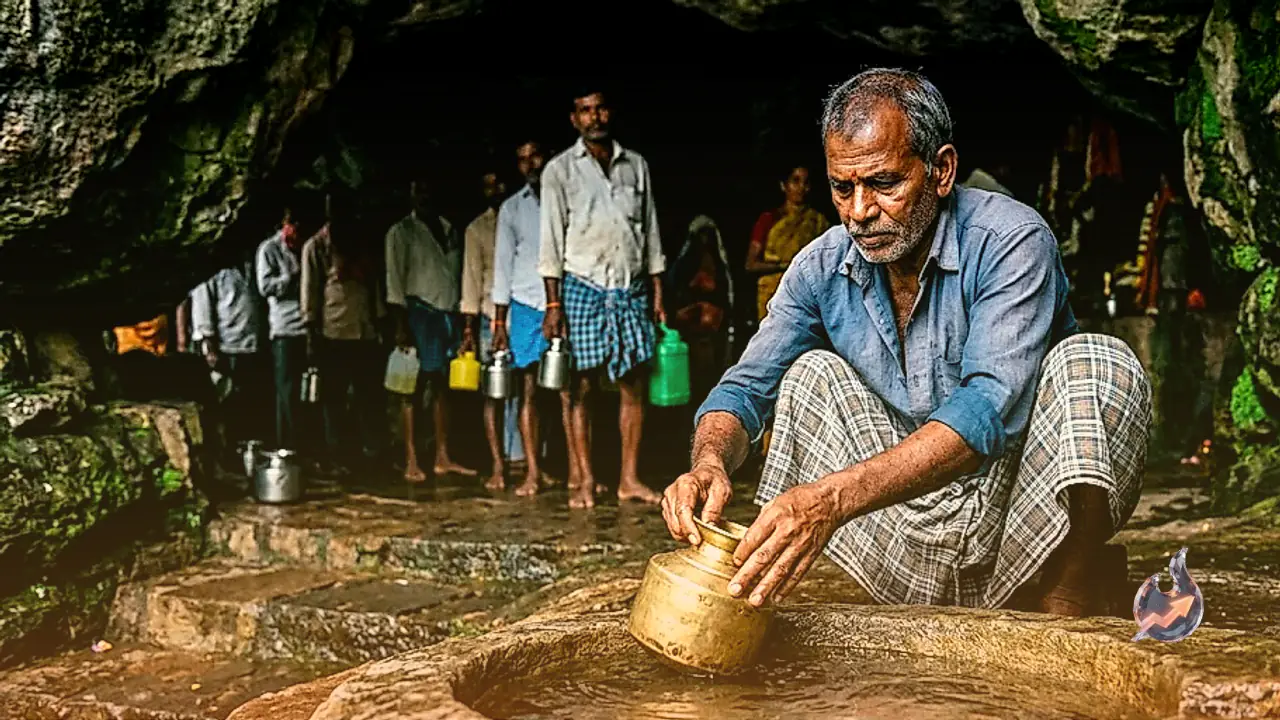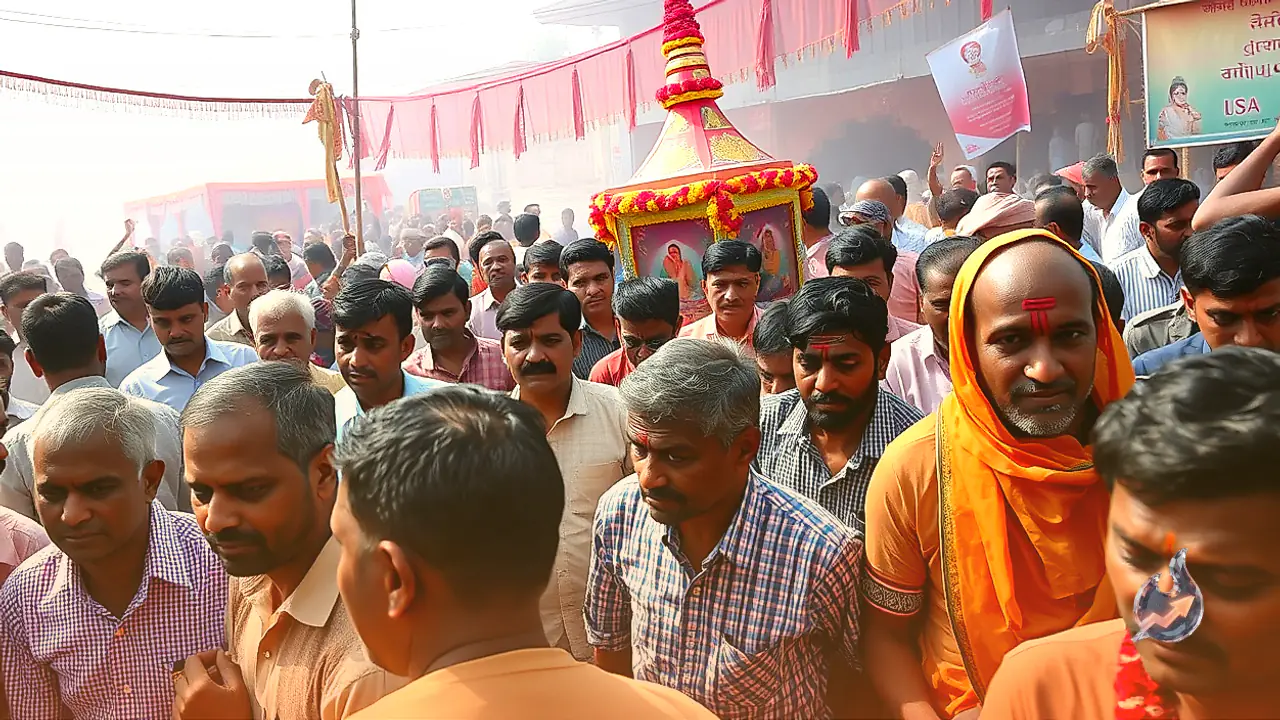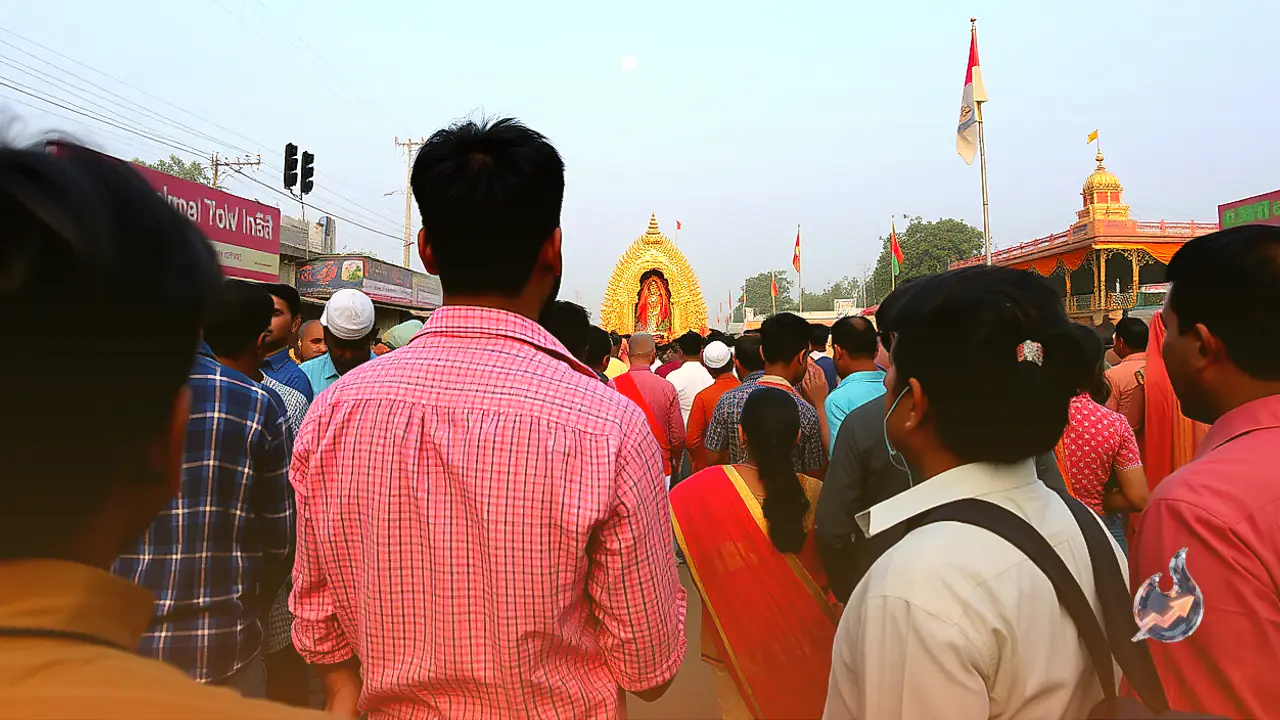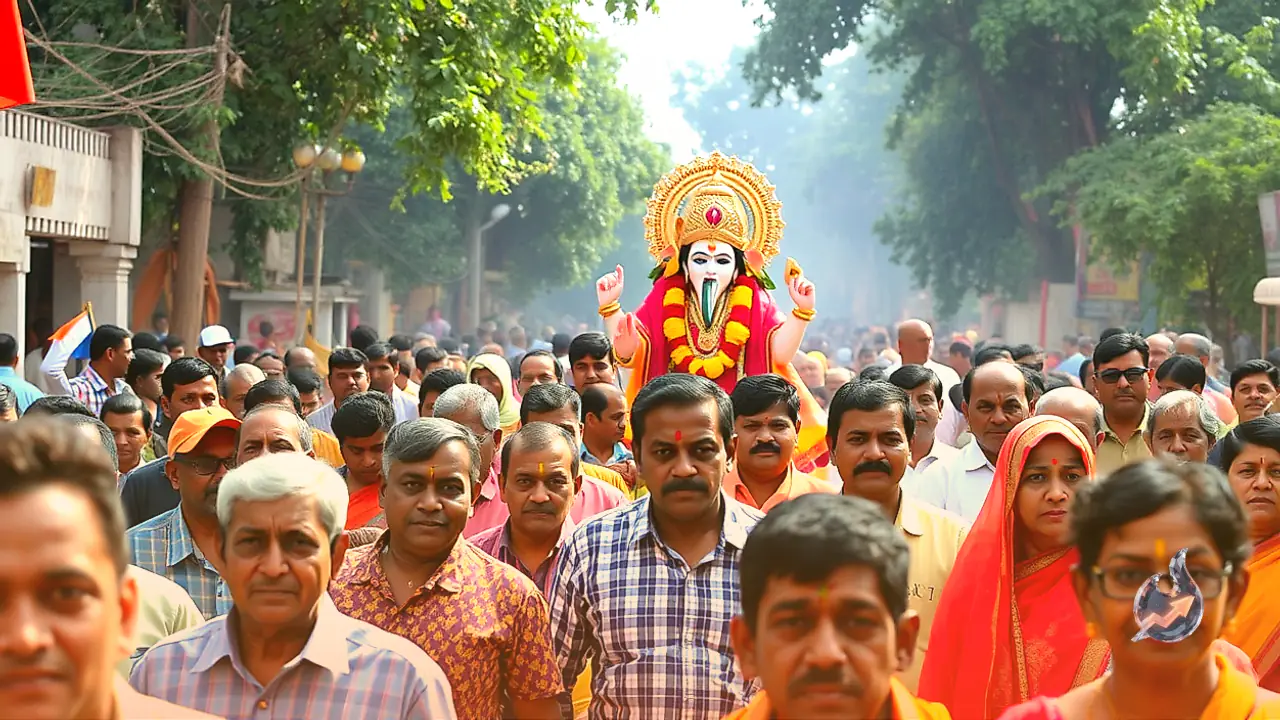





















In Sanatan traditions, the fortnight of Pitru Paksha provides a dedicated spiritual window for honoring departed ancestors and expressing heartfelt gratitude toward past generations. Lineages conduct sacred rites such as Pind Daan, water offerings through Tarpan, and formal Shraddh ceremonies to satisfy the souls of their forebears. For the ongoing cycle, this observance began on September 26 and concludes on October 10. Concluding these sacred ceremonies with dedicated prayer chants and a ceremonial Aarti is considered essential to receiving enduring ancestral grace.
The Practice of Honoring Forebears Following Shraddh
On the specific lunar date designated for an ancestor's memorial rite, participants begin their day by taking an early morning purifying bath and dressing in immaculate garments. Dedicated sattvic food is then carefully prepared in accordance with tradition. Familial rituals such as Tarpan, offering rice spheres known as Pind Daan, and the Panchbali food offerings are methodically completed. Observing traditional norms, family members subsequently gather to perform a sacred Aarti, marking the harmonious completion of the day's memorial services.
Lighting the Lamp and Chanting Sacred Mantras
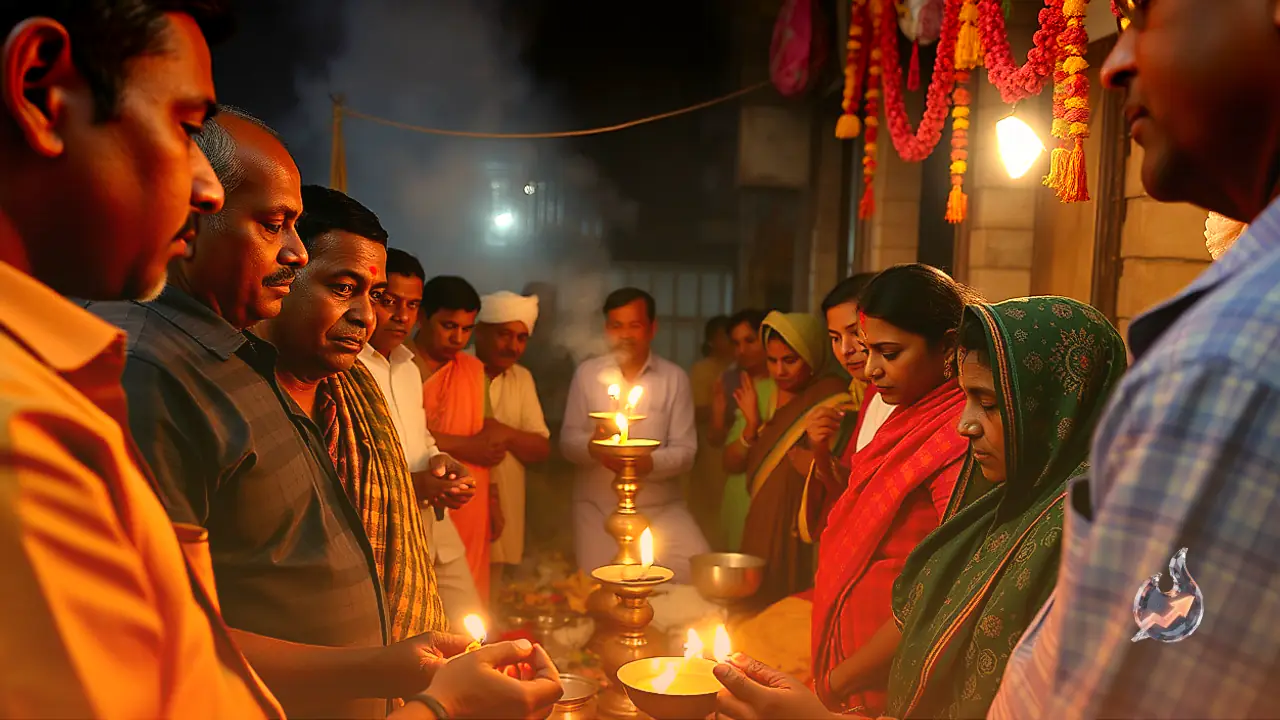
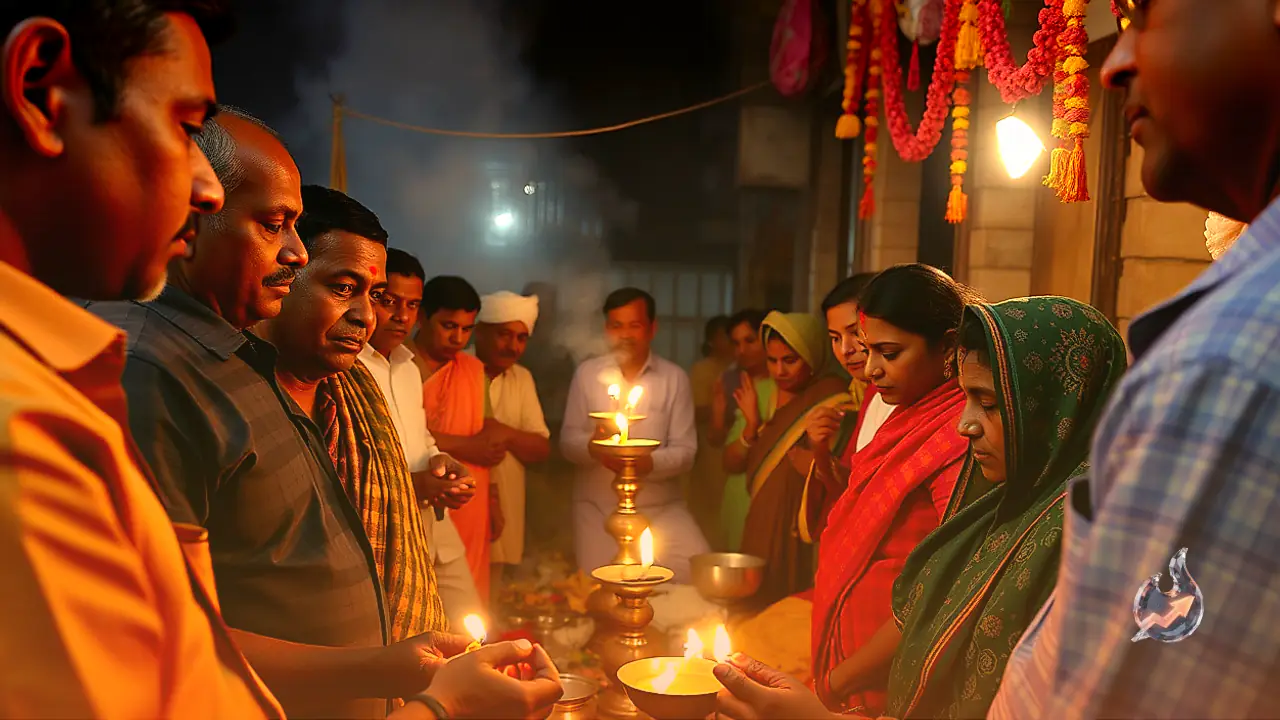
At the family altar or ritual space, devotees light an earthen lamp filled with pure clarified butter alongside fragrant incense sticks. Standing or seated before the sanctified flame, descendants turn their thoughts toward their ancestors with reverence. During this reflective moment, chanting the traditional formulas 'Om Pitru Devatabhyo Namah' or 'Om Sarva Pitru Devatabhyo Namah' serves to center the devotion. Once the chanting concludes, the ceremonial flame is waved in an offering of respect.
The Core Sentiments of the Ancestral Hymn
The traditional hymn praises the revered ancestral spirit as the ultimate protector, provider, and celestial guide through life's unpredictable waters. The verses acknowledge human frailties while seeking steadfast shelter under ancestral benevolence. Whether family members reside in their native lands or travel far abroad, the guardian presence of the ancestors remains a dependable shield against distress. The entire household comes together through these verses, repeatedly seeking wellness, security, and perpetual protection for both current and future generations.
Seeking Blessings for Household Prosperity and Peace
After circulating the Aarti lamp, participants bow deeply in silent reflection, asking for forgiveness for any inadvertent omissions during the rites. Prayers are raised for lasting harmony, well-being, domestic peace, and continuing prosperity across the family tree. Fulfilling these ancestral observances with humility reinforces timeless generational bonds and remains a noble medium for expressing lifelong indebted respect.