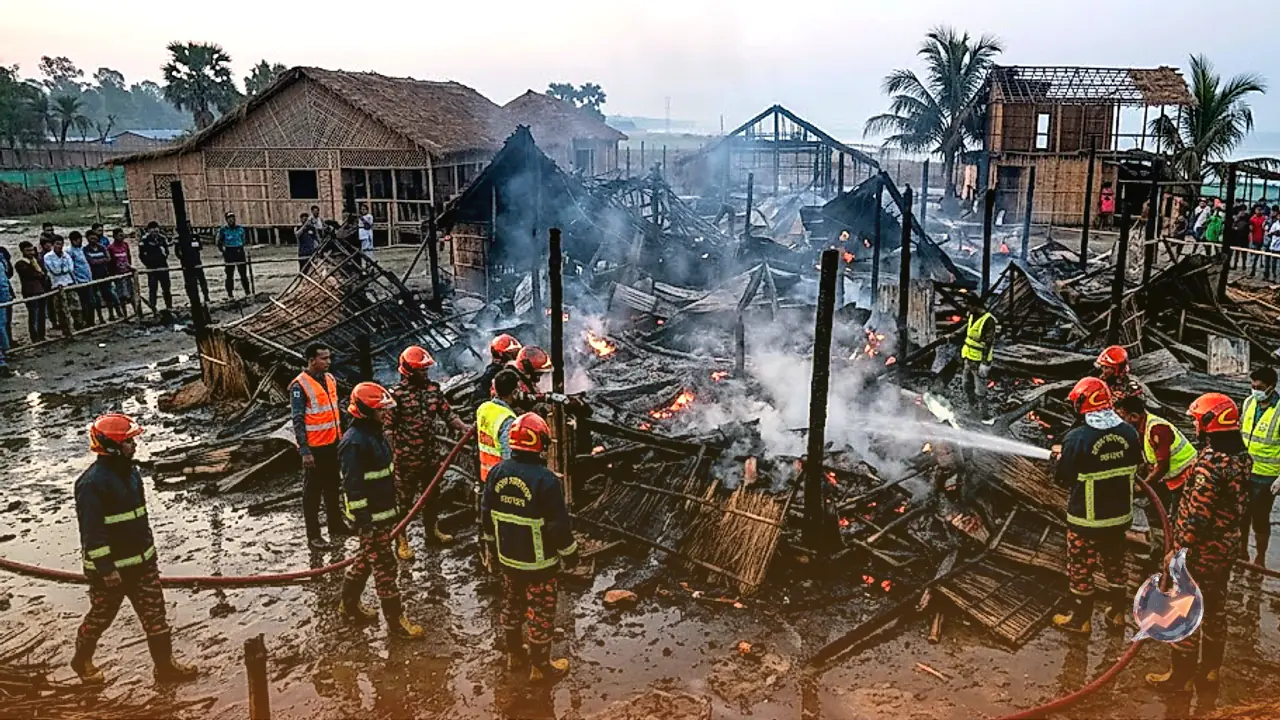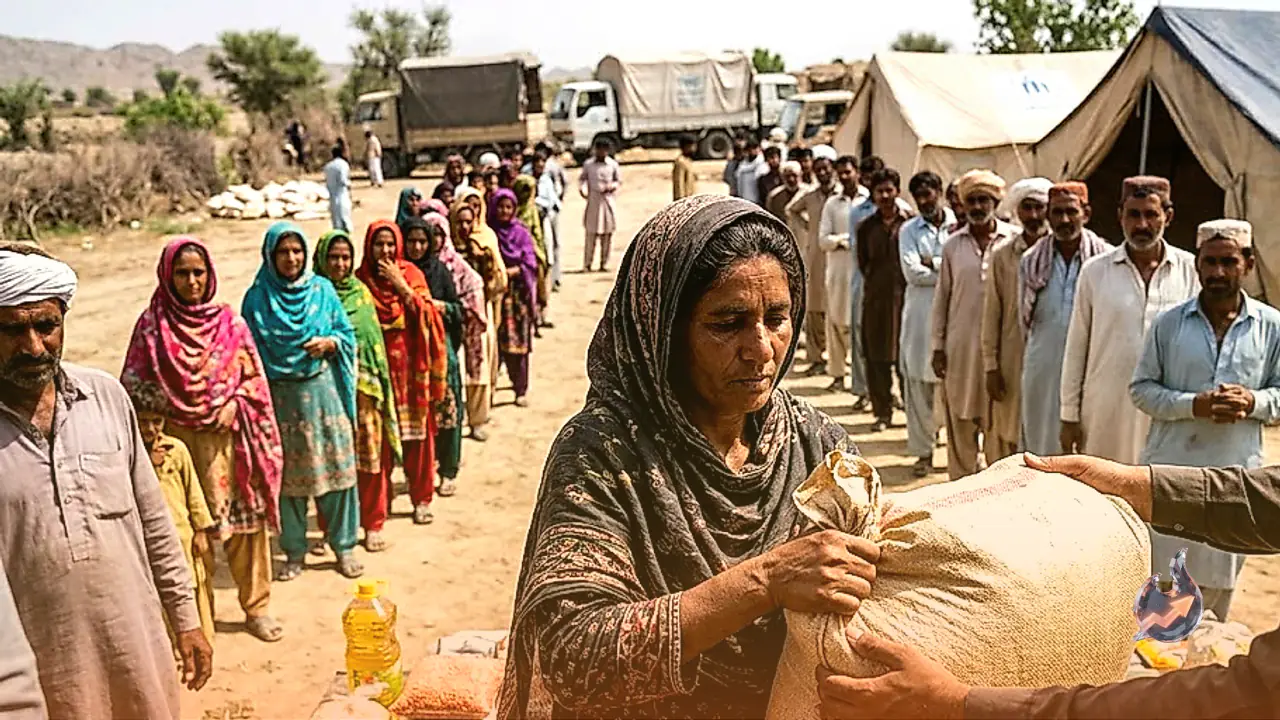

A crippling convergence of economic distress and environmental shocks has pushed food security in Pakistan into severe peril. Ahead of World Food Day, the international humanitarian evaluation titled 'Ten Largest Global Food Crises' by Action Against Hunger classified Pakistan among the ten most devastated nations worldwide in terms of food scarcity. Escalating poverty rates, recurring climatic disasters, and significant drops in humanitarian relief funding have left millions of households across the country unable to secure basic daily meals.
Humanitarian Support Needed for 1.06 Crore Citizens in 2026
Projections detailed in the evaluation indicate that roughly 1.06 crore individuals in Pakistan will depend entirely on humanitarian assistance to meet subsistence needs throughout 2026. This stark humanitarian vulnerability persists even as fiscal authorities attempt macroeconomic restructuring and point toward modest improvements across select financial indicators. However, top-line statistical gains have failed to relieve the systemic deprivation experienced by marginalized households. Despite nominal progress in specific corporate sectors, everyday survival remains an intense daily struggle for millions of lower-income families.
The Ten Most Severe Global Food Crisis Zones
The global evaluation identified ten primary epicenters where severe hunger and malnutrition are most acutely concentrated. Approximately 17.7 crore people reside within these ten most affected nations alone. Alarmingly, the total worldwide population enduring acute hunger has doubled over the preceding decade. The complete directory of the ten countries bearing the heaviest food crisis burdens consists of
- Nigeria
- Democratic Republic of the Congo
- Sudan
- Yemen
- Afghanistan
- Myanmar
- Bangladesh
- Pakistan
- South Sudan
- Syria
Acute Hunger Threatens 26.6 Crore People Across 47 Countries
Across a broader international scale, around 26.6 crore individuals spread over 47 nations are currently experiencing acute hunger conditions. This extensive deficit means hundreds of millions are unable to fulfill even standard nutritional and caloric requirements. Surging market prices for fundamental staples have disproportionately hurt working-class families with stagnant incomes. Compounding these hardships, global shortfalls in dedicated humanitarian aid budgets have drastically reduced the scope of emergency relief operations.
Inflation, Job Losses, and Collapsing Household Purchasing Power
Inside Pakistan, sky-high prices for edible groceries, elevated living expenditures, pervasive joblessness, and shrinking real household earnings have intensified nutritional distress. Chronic macroeconomic instability has eroded purchasing capacity to the point where families struggle to purchase basic staple grains. Concurrently, unfavorable agricultural gate prices have undercut the earnings of farming communities and rural laborers, leaving food production and local agrarian livelihoods in severe distress.
Families Slash Food Intake and Liquidate Productive Assets
Because incoming humanitarian aid commitments lag far behind expanding on-the-ground requirements, vulnerable households are resorting to painful coping strategies. Countless families have been forced to reduce their daily meal portions and compromise on dietary variety. Others have begun liquidating productive family assets and basic tools of livelihood simply to acquire short-term food supplies. Concurrently, intensifying financial stress is prompting parents to withdraw their children from schools to curb household overheads. While providing fleeting financial breathing room, these survival choices elevate the long-term risk of entrenched poverty, chronic stunting, and educational deprivation.
Severe Deficits in Potable Water, Healthcare, and Sanitation
Access to primary medical clinics, targeted nutritional support programs, clean drinking water, sanitation facilities, and structured social welfare safety nets remains acutely constrained throughout Pakistan's rural interior and disaster-impacted provinces. The absence of these fundamental public amenities directly accelerates physical illness and malnutrition across vulnerable demographic groups. Furthermore, systemic cutbacks in livelihood rehabilitation programs have significantly undermined the resilience of marginalized populations attempting to rebuild their lives.
Climatic Disruptions and Extreme Weather Batter Agriculture
Uncontrolled climatic shocks continue to deal massive blows to Pakistan's fragile agricultural fabric. Successive episodes of destructive flooding, prolonged droughts, blistering heatwaves, catastrophic glacial lake outburst floods, and erratic monsoon patterns have devastated arable lands. These natural disasters have destroyed vital rural transport links and storage infrastructure while slashing crop yields. The livelihoods of livestock owners and rural workers have suffered major setbacks, compounding the severe threats hanging over the nation's broader food supply chain.