






















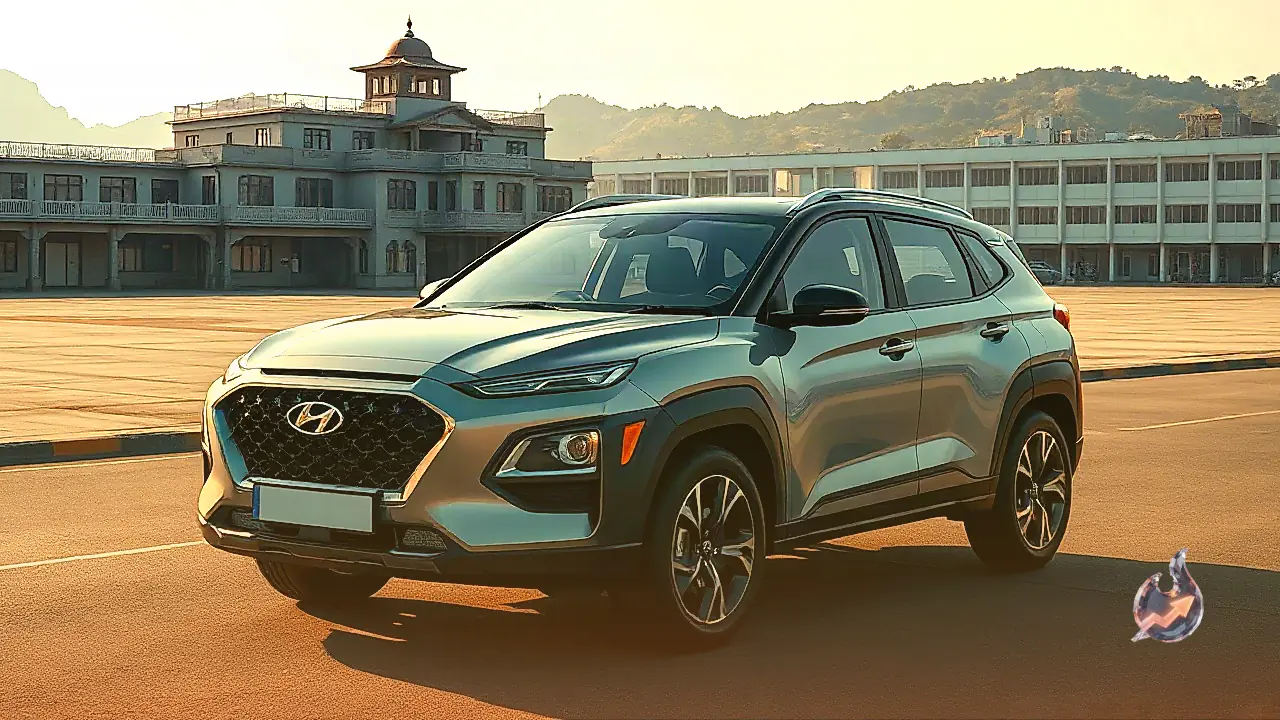

Hyundai Motor India has released the first official design sketches for its upcoming SUV, the Bayon, showcasing both the exterior silhouette and the interior cabin layout. Coming shortly after the confirmation of the vehicle's nameplate, these sketches highlight a globally developed automobile engineered under the company's 'Art of Steel' design language. Tailored specifically for the Indian automotive market, this iteration embraces an upright stance and a muscular build aimed at meeting the evolving expectations of contemporary urban motorists.
Positioning in the Lineup Between Venue and Creta
In terms of product hierarchy, the Hyundai Bayon will slot directly between the sub-four-meter Venue and the larger Creta, measuring over four meters in overall length. The official illustrations reveal a confident and contemporary persona, framed as an intelligent utility vehicle that balances rugged exterior styling with a high-technology passenger compartment. The new model is expected to make its commercial market debut around the upcoming festive season, providing buyers with an alternative segment choice.
Exterior Design and Distinctive Lighting Elements
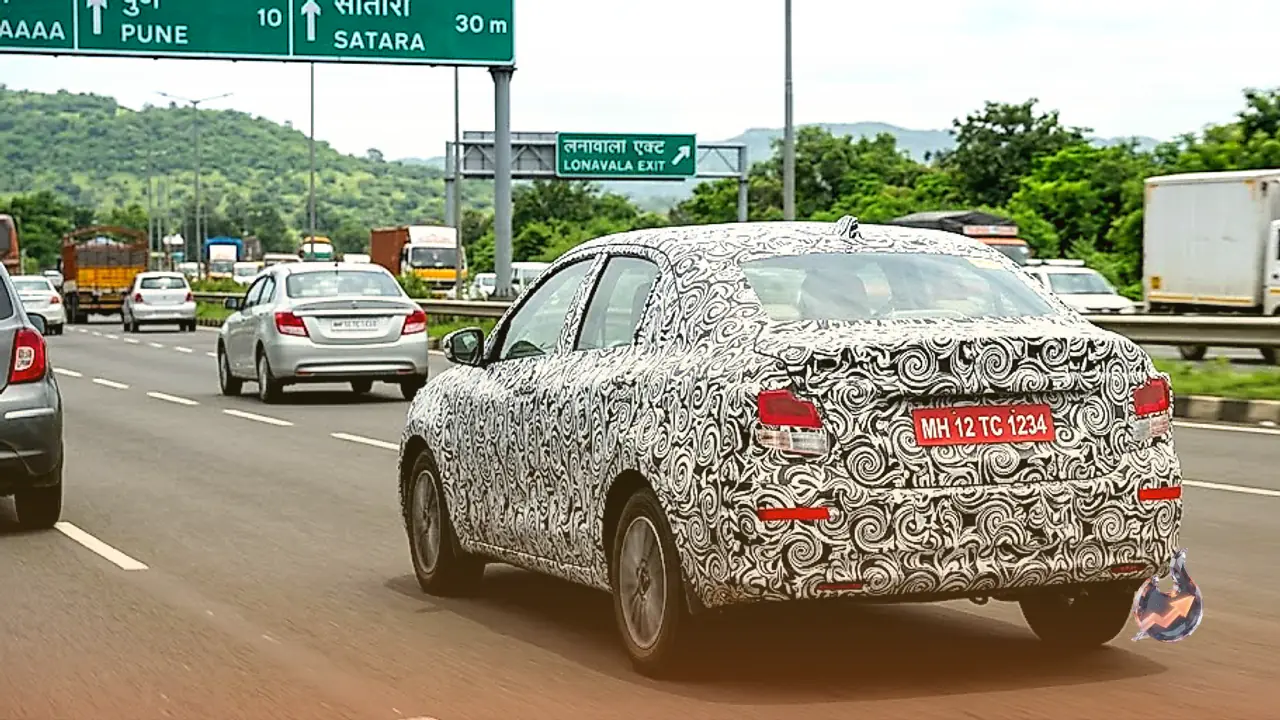
The exterior sketches depict a broad and commanding front fascia highlighted by the automaker's signature 'H-Edge' lighting layout. This arrangement features a continuous horizontal light bar running across the front, complemented by vertically oriented lighting elements positioned at both extremities. The sculpted hood carries prominent creases that accentuate its muscular appeal, paired with wide, flared front fenders. Robust lower body protective elements further underscore its SUV characteristics, matching observations from pre-production test mules that exhibited straight rooflines, functional roof rails, an upright profile, and pronounced wheel arches.
Interior Cabin and Digital Appointments
Inside, the sketches point toward a forward-looking, minimalist interior architecture characterized by a multi-layered horizontal dashboard and an elevated center console. A substantial digital display area dominates the cabin, with a centrally mounted infotainment screen serving as the focal point for controls and entertainment. The vehicle's interface emphasizes intuitive ergonomics, digital connectivity, and modern tech integration. Earlier sightings of test prototypes have similarly hinted at dual integrated digital displays, a newly designed steering wheel, an all-around 360-degree parking camera, and an overhead sunroof.
Powertrain Options and Mechanical Expectations
While official technical details regarding the engine lineup have not yet been declared, the SUV is anticipated to focus primarily on petrol powertrains at launch. A 1.5-liter naturally aspirated petrol engine producing approximately 115 hp, borrowed from the Creta, is widely expected to serve as a core option alongside manual and CVT automatic gearboxes. In addition, smaller 1.0-liter or 1.2-liter turbocharged petrol units could be offered for performance-oriented drivers. Given the company's aggressive expansion of factory-fitted dual-fuel options, a factory CNG variant is also viewed as a strong possibility for cost-conscious urban commuters.