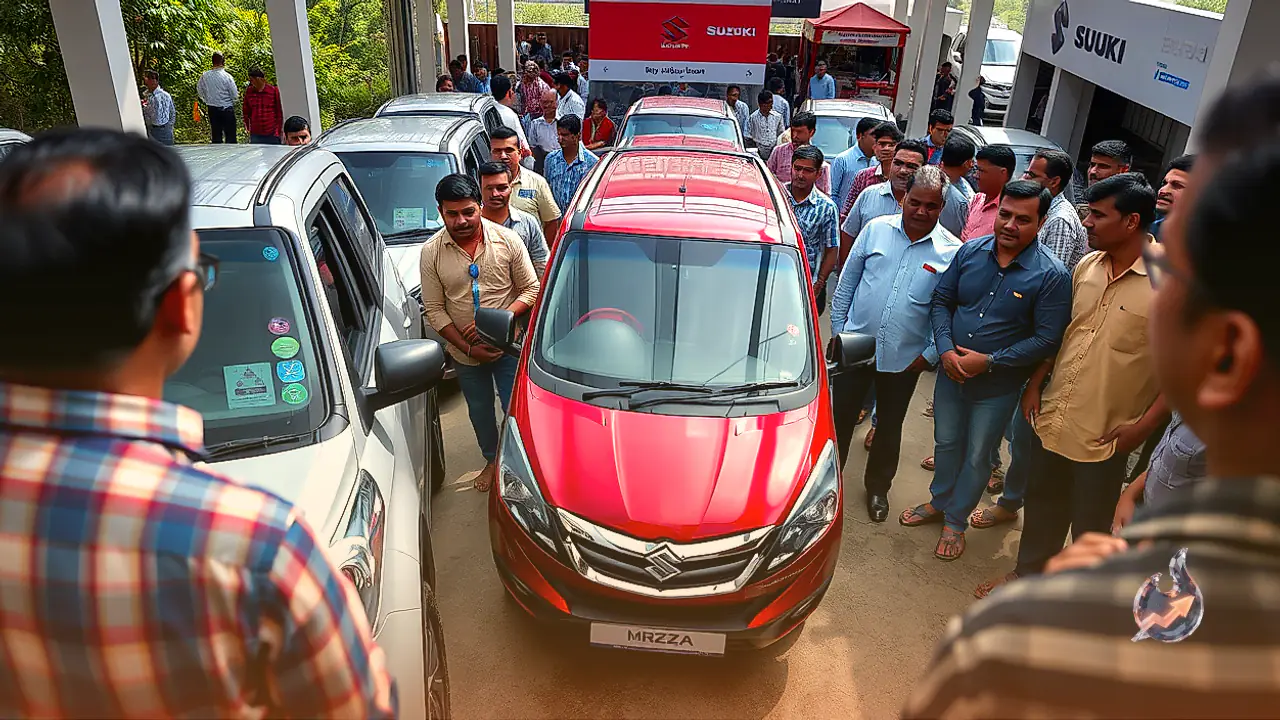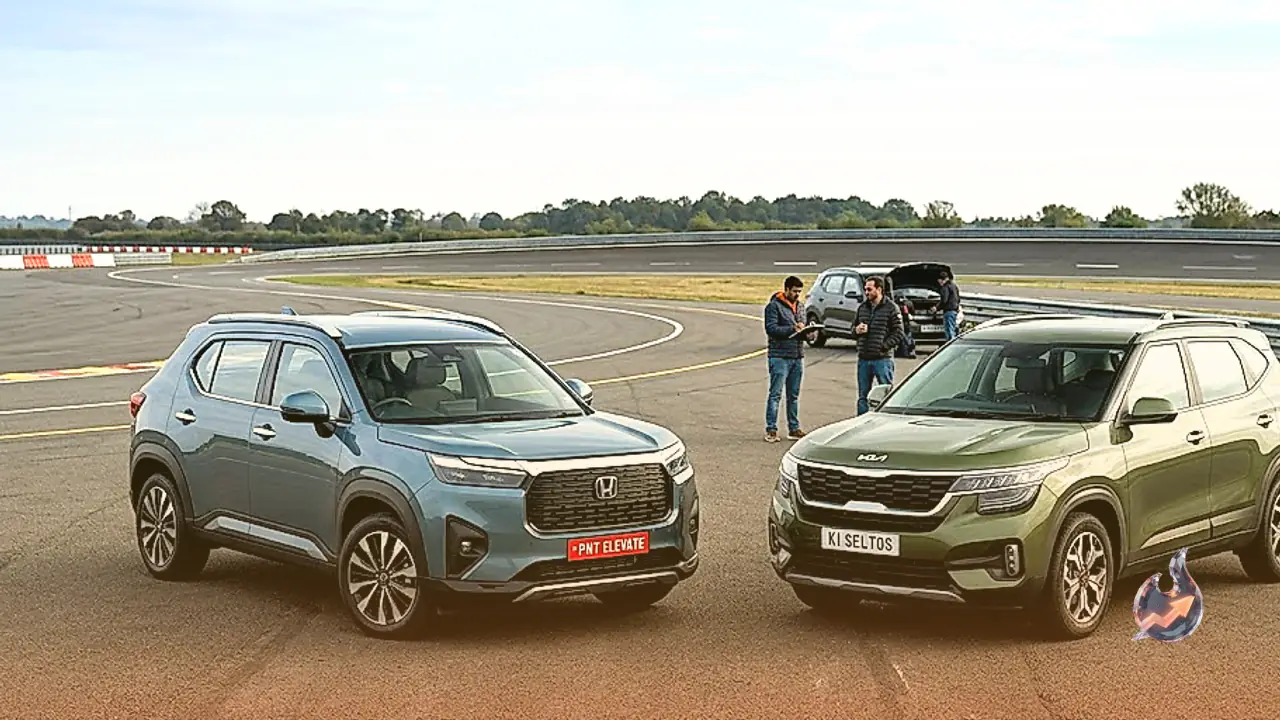

























Passenger vehicles manufactured on Indian assembly lines are witnessing sustained momentum in international markets. With domestic manufacturing facilities adhering to global build qualities, safety benchmarks, and refined styling, overseas demand for passenger cars has spread across diverse segments. Official export data for August 2026 highlights strong consumer preference abroad for sub-compact crossovers, specialized four-wheel-drive off-roaders, and fuel-efficient passenger cars. Prominent automobile manufacturers including Maruti Suzuki, Hyundai, Nissan, Toyota, and Volkswagen have consolidated their export channels, shipping thousands of units across various regions.
Maruti Fronx Emerges as the Top Export Choice
Leading the shipment tallies is the Maruti Fronx, which secured the highest export volume among Indian passenger vehicles. In August 2026, export shipments for this crossover reached 9,003 units, representing an expansion of 2,487 units over the corresponding period of the previous year. Starting at an ex-showroom price of approximately ₹6.85 lakh in the domestic market, the Fronx combines a crossover coupé profile, a wide front grille, split LED daytime running lights, and elevated ground clearance. Inside the cabin, it houses a 9-inch touchscreen display compatible with wireless Apple CarPlay and Android Auto, complemented by a head-up display. Occupant safety features include 6 airbags, electronic stability program, hill hold assist, and a 360-degree parking monitor. Its fuel efficiency is rated at 20 to 22.89 km/l for petrol configurations, reaching up to 28.51 km/kg in factory CNG trim.
Strong Momentum for Jimny and Hyundai Grand i10 Nios
The rugged off-roader Maruti Jimny witnessed one of the largest export expansions during the month. Overseas dispatches of the Jimny climbed to 8,435 units in August 2026, recording an increase of 5,778 units compared to the preceding year. Priced from ₹12.50 lakh ex-showroom, this retro off-road SUV carries upright body proportions, round headlamps, and extensive clearance designed for difficult terrain. Its interior includes a 9-inch infotainment screen integrated into a practical layout. Safety and off-road mechanicals comprise 6 standard airbags, ESP, hill descent control, and a dedicated 4WD transfer case, with fuel economy pegged at 16.4 to 16.9 km/l.
Hyundai Grand i10 Nios also recorded positive shipment growth, sending 4,551 units abroad, which is 635 units higher than the previous year. Available domestically starting at ₹5.6 lakh, the hatchback features projector headlamps, LED daytime lamps, and a spacious passenger cabin equipped with an 8-inch screen, rear air conditioning vents, and smartphone connectivity. It provides standard electronic stability control, hill start assist, and 6 airbags, returning fuel economy figures of 16 to 18 km/l on petrol and up to 27 km/kg on CNG.
Export Trajectory of Nissan Magnite and Toyota Hyryder
Nissan shipped 4,500 units of the Magnite crossover to foreign markets in August 2026, though this volume reflects a decline of 2,565 units year-on-year. Available around the ₹5.6 lakh price point, the Magnite features an aggressive honeycomb grille, swept-back LED headlamps, leather upholstery, an 8-inch digital console, and a 360-degree camera setup. The crossover holds a 5-star crash safety certification from Global NCAP, accompanied by 6 airbags, electronic stability control, and a tire pressure monitoring system, delivering fuel economy between 17.9 and 19.9 km/l.
Shipments of the midsize Toyota Urban Cruiser Hyryder recorded a marginal dip, totaling 4,414 units for the month. Starting at an ex-showroom price of ₹11.30 lakh, the SUV incorporates split LED lights, 17-inch alloy wheels, a 9-inch infotainment console, a panoramic glass roof, and ventilated front seats. Alongside 6 airbags, electronic stability programming, and hill hold assist, its hybrid powertrain delivers up to 27.97 km/l in certified fuel efficiency.
Shipments of Maruti Swift, e Vitara, and VW Virtus
Maruti Swift posted an export tally of 3,044 units, a noticeable decline compared to past cycles. Priced from ₹5.80 lakh, the hatchback includes a 9-inch infotainment monitor, automatic climate control, 6 airbags, ESP, and hill hold assistance as standard. Its rated economy stands between 24.8 and 25.75 km/l for petrol and 32 to 35 km/kg for CNG. Meanwhile, Maruti's electric entry, the e Vitara, registered 2,770 export units. Starting at an ex-showroom mark of ₹16 lakh, the electric SUV features distinct Y-shaped lighting signatures, rugged lower body cladding, a 10.1-inch screen, ambient cabin lights, 7 airbags, Level-2 ADAS, and a 5-star crash rating, providing a driving range between 440 and 543 km.
Volkswagen Virtus sedan exports totaled 2,599 units during the period. Starting from ₹10.70 lakh, the Virtus offers a sharp sedan profile, digital instrument cluster, ventilated seats, and an electric sunroof. Equipped with a 5-star Global NCAP rating, 6 airbags, and electronic stability control, its fuel economy spans 18 to 20.8 km/l.
Maruti Dzire and Celerio Export Volumes
Sedan exports also featured the Maruti Dzire, which achieved 2,355 units abroad. With prices beginning at ₹6.30 lakh, the vehicle offers a 5-star safety rating, 6 airbags, an electric sunroof, and a 9-inch touchscreen, clocking 24.8 to 25.7 km/l on petrol and over 33 km/kg on CNG. Finally, the Maruti Celerio recorded 2,244 export units. Available at a base price of ₹4.70 lakh, the compact hatchback offers a 7-inch touchscreen, 6 airbags, and ESP, returning fuel efficiency of 25 to 26.7 km/l on petrol and 34.4 km/kg on CNG.