
















Artisans and weavers in Bhagalpur, widely recognized as India's Silk City, have introduced a remarkable fusion in traditional handloom fashion. By hand-painting the ancient Manjusha folk art of the Ang region onto South India's renowned Kanjivaram silk sarees, local craftsmen are creating a fresh aesthetic identity. This creative endeavor achieved national prominence recently when President Droupadi Murmu wore one of these specially crafted sarees, spotlighting Bihar's rich cultural heritage on a prestigious platform.
Presidential Honor at Rashtrapati Bhavan
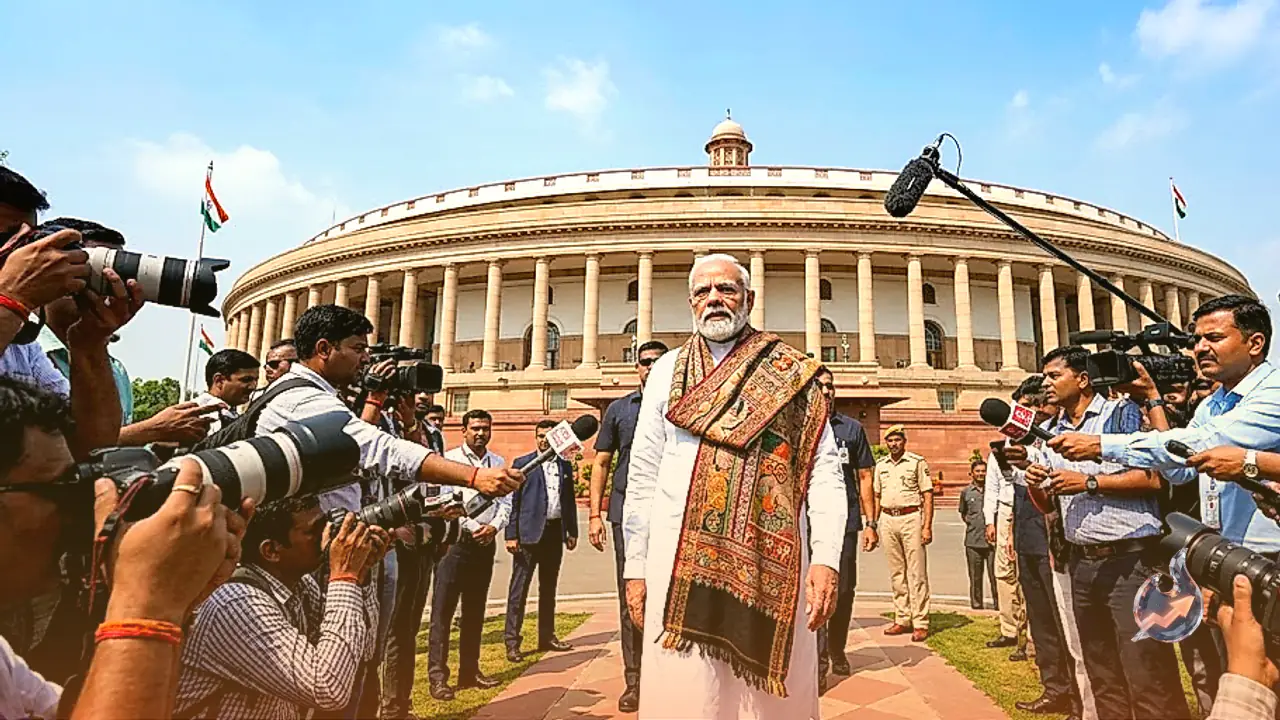
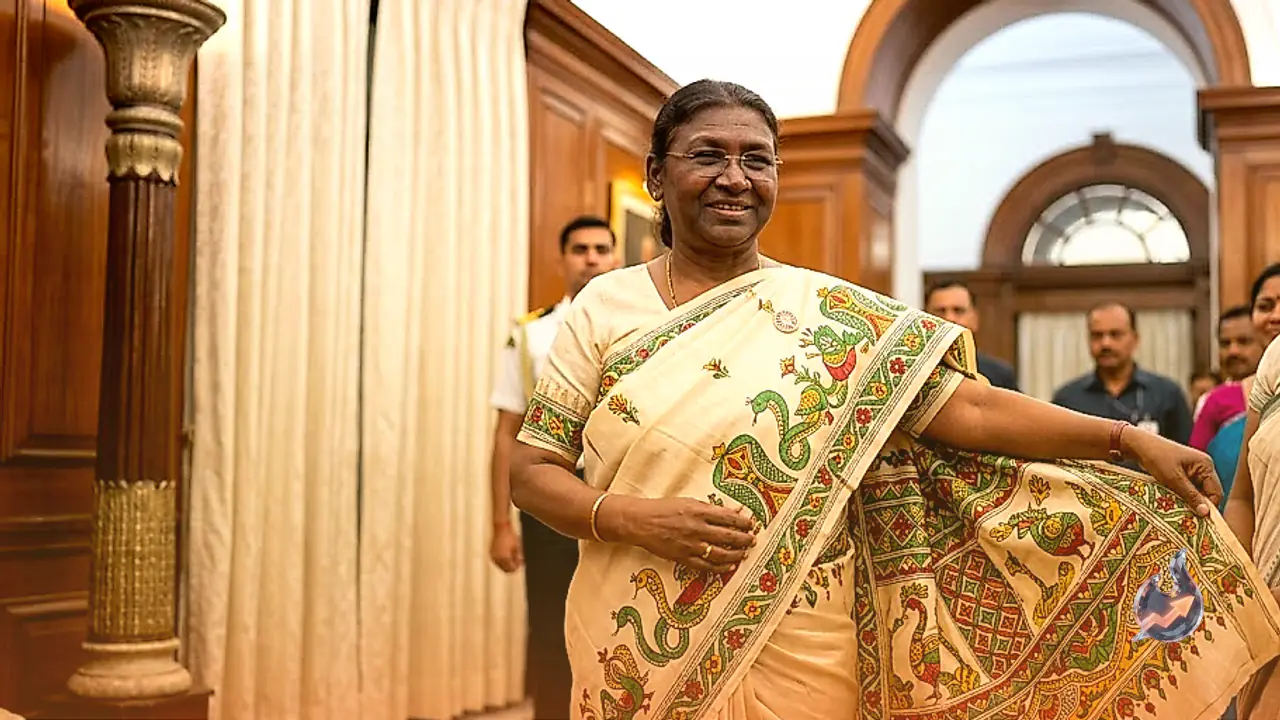
During the Artist in Residency event hosted at Rashtrapati Bhavan, President Droupadi Murmu appeared wearing the elegant Kanjivaram saree adorned with Manjusha motifs. The exquisite garment was presented to her by renowned local craftsman Manoj Pandit, widely known as Manjusha Guru. Because the intricate Manjusha detailing is entirely hand-painted, it significantly enhances the texture and visual splendor of the Kanjivaram silk. This artistic cross-over is successfully elevating the value of handcrafted textiles while gaining widespread appreciation.
Boosting Local Employment and Global Reach
Bhagalpur has an enduring global reputation for its premium silk manufacturing. To meet evolving market preferences, local artisans are continuously updating their design techniques. Hand-crafting Manjusha motifs across Kanjivaram sarees is creating substantial employment opportunities for traditional weavers and folk artists throughout the region. Furthermore, this commercial innovation serves as a powerful medium for promoting Ang region's traditional artwork across domestic and international markets.
Mythological Roots and Symbolic Palette
Manjusha art is deeply rooted in the folklore and mythology of the Ang region. According to local legend, Sati Bihula embarked on a miraculous voyage inside a floating structure, known as a Manjusha, to restore her deceased husband's life. The art form traditionally incorporates three vibrant primary colors, namely green, orange, and yellow. Each shade carries profound symbolism, representing happiness, prosperity, and continuous growth. Today, the distinct patterns of Manjusha art remain an integral part of everyday heritage across households in Bhagalpur district.