






















In an effort to revitalize India's traditional textile heritage and connect indigenous craftsmanship with modern lifestyle choices, citizens across the country are being urged to prioritize local handloom apparel. As part of National Handloom Day observances, digital platforms are being leveraged to showcase the intricate skills of traditional weavers. People are invited to participate creatively by sharing 'Get Ready With Me' (GRWM) short video clips on social channels wearing their favorite handloom outfits, thereby turning regional craftsmanship into a trending digital fashion movement.
Leveraging Digital Platforms to Celebrate Handloom Diversity
Connecting traditional weaving communities with younger generations requires innovative outreach on popular digital channels. Emphasizing this approach while sharing a message on X, the importance of spotlighting August 7 as a key moment for honoring India's handloom tapestry was highlighted. Citizens are encouraged to integrate handloom garments into their personal style, post creative photos and videos online, and tag their content with #NationalHandloomDay to raise awareness about the artistic brilliance of Indian weavers.
12th National Handloom Day Event at Rashtrapati Bhavan Cultural Centre
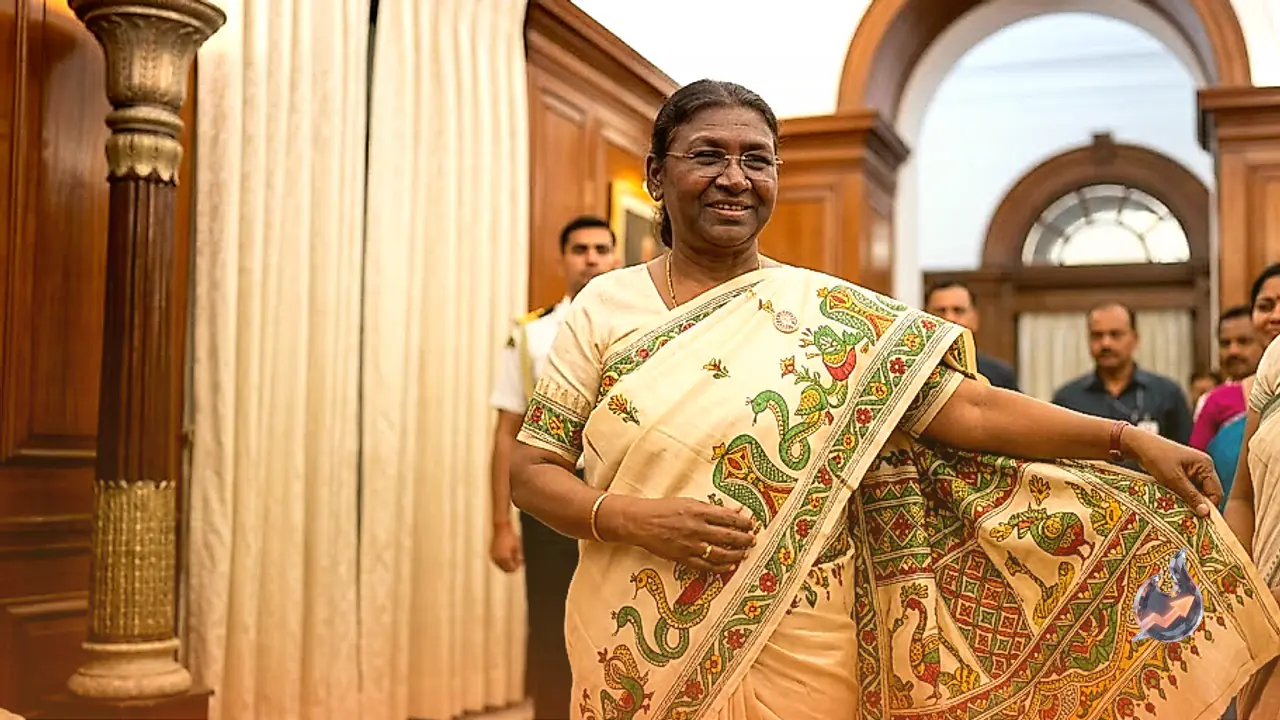
The Union Ministry of Textiles is organizing the 12th National Handloom Day celebration on August 7 at the Rashtrapati Bhavan Cultural Centre in New Delhi. The grand ceremony aims to celebrate India's ancient textile tradition and acknowledge the crucial socio-economic role played by the handloom weaving community. President Draupadi Murmu will honor the event as the chief guest. The occasion will also witness the presence of Union Minister of Textiles Giriraj Singh, Minister of State for Textiles Pabitra Margherita, Ministry of Textiles Secretary Neelam Shami Rao, and Development Commissioner (Handlooms) Dr. M. Beena.
Conferring Sant Kabir and National Handloom Awards
The official ceremony will recognize master weavers for their exceptional craftsmanship, creative innovation, and dedicated preservation of ancestral weaving techniques. A total of 22 prestigious awards will be presented, comprising 3 Sant Kabir Handloom Awards and 19 National Handloom Awards for the year 2025. Award recipients along with their families, selection committee members, textile industry leaders, senior government officials, and media representatives will gather for the ceremony. Additionally, four commemorative postage stamps celebrating India's rich handloom weaving traditions will be officially released.
Unveiling Specialized Books and Live Weaving Demonstrations
To document and promote regional artisanal practices, two landmark publications will be unveiled during the event: "Earth. Root. Thread - All-Dyed Handloom Textiles of Central India" and the "Handloom Award Book 2025." An exclusive exhibition showcasing award-winning handloom creations will be set up at the venue. Visitors will have the unique opportunity to witness live demonstrations of complex traditional crafts, including Kashmir's famed Kani weaving and intricate wall-hanging ornament weaving.
Socio-Economic Contribution and Historical Roots of Swadeshi
India's handloom sector is far more than a cultural asset; it forms a critical economic pillar for rural livelihoods. Official figures indicate that the sector supports over 35 lakh (3.5 million) artisans and workers nationwide. Notably, women constitute more than 70 percent of this workforce, making handloom a vital engine of female economic empowerment. The annual observance of August 7 commemorates the historic Swadeshi Movement launched on the same date in 1905, which galvanized domestic industry and self-reliance. The formal national-level celebration of National Handloom Day was instituted in 2015 in Chennai.
Gujarat's Global Handloom Presence and Economic Impact
Gujarat stands as a major hub of handloom artistry in India. According to the Chief Minister's Office of Gujarat, weaving is deeply embedded in the state's cultural identity and rural economy. Traditional Gujarati textiles, particularly Patola and Kutch weaving, have attained widespread international recognition across the United States, Europe, Japan, Australia, and the Middle East. With expanding interest from international fashion designers and global public figures, coupled with state government support, updated design interventions, and targeted marketing, Gujarat's handloom sector currently employs over 12,000 weavers and artisans and has generated a cumulative business turnover exceeding Rs 51.07 crore.