























With the monsoon season around the corner, farmers across the country are gearing up for the Kharif sowing cycle. While rain is generally a blessing for agriculture, it often poses a major threat to vegetable growers. Excessive rainfall leads to waterlogging in fields, which frequently damages sensitive crops like cauliflower, tomatoes, and brinjal. To mitigate this risk, farmers are constantly on the lookout for low-cost, high-yielding crop alternatives that can withstand the rainy season. An agricultural specialist from Deoghar has shared a highly profitable solution that fits this bill perfectly.
Expert Insights Shared with TrendKia: Affordable Startup Costs
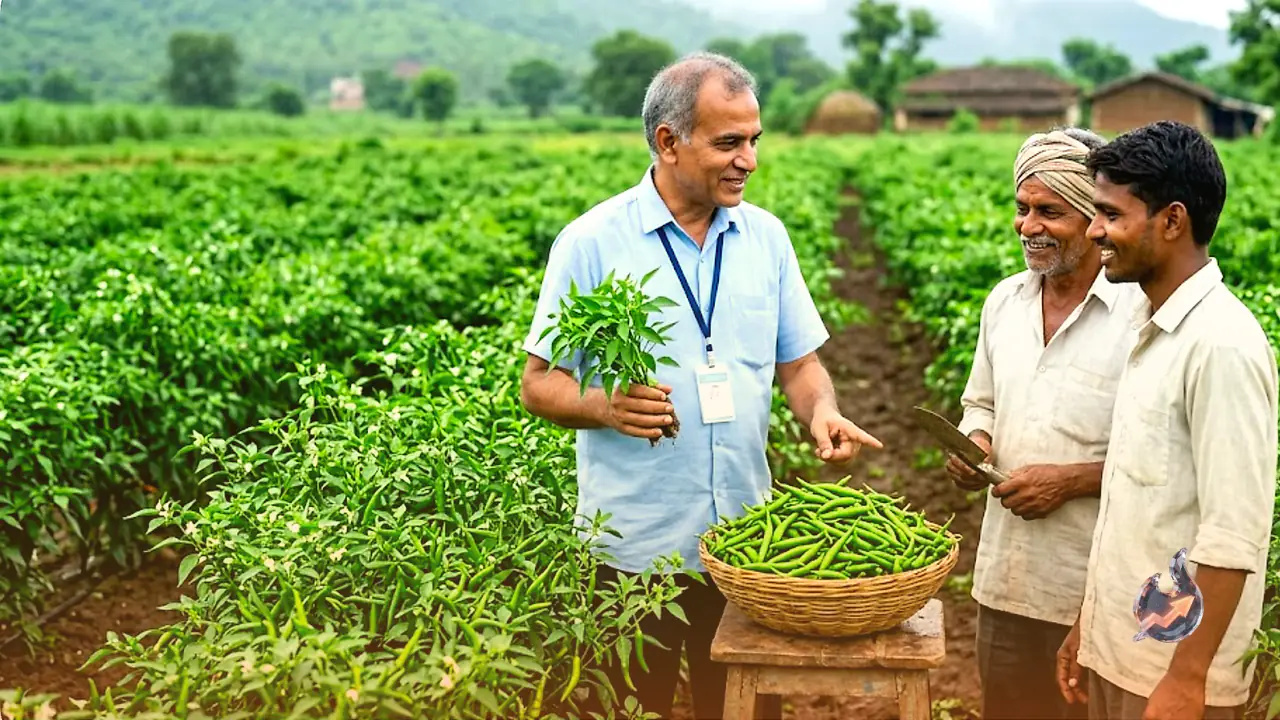
Speaking to TrendKia, Deoghar-based agricultural expert Ambika Kushwaha highlighted that cultivating green chilies during the monsoon is an exceptionally lucrative venture. According to Kushwaha, farmers can either establish their own nurseries during this period or procure young saplings directly from government institutions. Many government centers supply high-quality chili saplings for as low as one rupee per plant, allowing farmers to initiate cultivation with minimal upfront investment. The initial light and consistent showers of the monsoon accelerate the growth of these saplings, resulting in rapid vegetative development.
A Yield that Can Generate Up to 2 Lakh Rupees Per Acre
According to Kushwaha, a single acre of land requires approximately 5,000 to 6,000 chili saplings. By selecting superior varieties, maintaining optimal spacing during transplantation, and ensuring timely care, farmers can achieve an outstanding harvest. One of the greatest advantages of green chili farming is its perennial demand. Green chilies are a staple ingredient used daily in households, hotels, and roadside eateries alike, meaning growers never have to worry about finding buyers or market access.
Best Practices: Organic Manure and Superior Seed Varieties
To maximize quality and output, the expert recommends using organic manure, cow dung, and balanced nutrients over excessive chemicals. Routine weeding and timely pest management are essential to keep the crop disease-free. Farmers implementing these sustainable methods are already securing annual profits worth lakhs of rupees. Kushwaha recommends using high-yielding, market-favored varieties such as Nangwo's Ajita, VNR, and Advanta to secure the best possible returns.
A Low-Risk Venture with Post-Harvest Flexibility
Green chili cultivation stands out as a low-risk agricultural enterprise due to its post-harvest flexibility. If farmers are unable to sell their fresh green harvest immediately, they can dry the chilies and sell them as dried red pepper. Dried chilies command excellent prices in the commercial market and enjoy steady demand. This dual-selling option ensures that the farmer's hard work never goes to waste, making green chili farming a resilient choice for this rainy season.