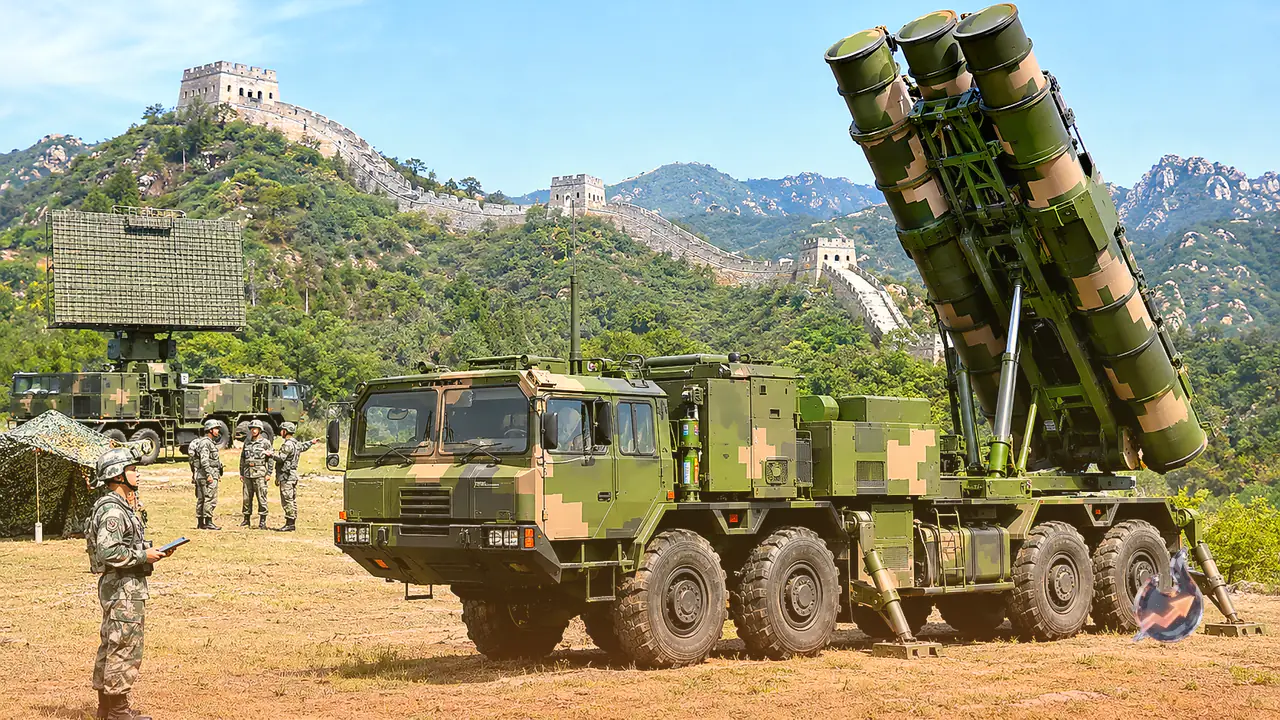

China has ramped up its defense preparations following India's development of the Agni-5 and submarine-launched long-range K-4 missiles, prompting serious security concerns in Beijing. The neighboring country has now claimed to have developed an upgraded missile shield specifically designed to counter intercontinental ballistic missiles. During a recent live-fire drill, the People's Liberation Army demonstrated its capability to intercept and destroy two new types of missiles mid-air simultaneously, including a ballistic missile that abruptly changed its flight path during testing.
Shifts in Military Strategy and Defense
Experts view this military exercise as a significant shift in China's overall strategic posture. Instead of merely containing incoming enemy fire, Beijing is actively constructing a multi-layered missile defense umbrella aimed at protecting its leadership, nuclear installations, and aircraft carriers deployed at sea. However, analysts note that it remains difficult to independently verify how this newly showcased system compares against ultra-modern air defense networks like the S-400.
Integration of Advanced Systems in Drills
According to reports from Chinese state media, the Shenwei Missile Battalion of the Central Theater Command Air Force tested the new missile shield in northwestern China. The military unit was deployed across thousands of kilometers using roadways, railways, Y-20 transport aircraft, and maritime vessels. The drills featured the integration of the HQ-9B surface-to-air missile system with HQ-19 and HQ-29 interceptors. Reports indicated that the reaction window from initial warning to interception was critically narrow, sometimes lasting merely two minutes.
Expanding Capabilities Against Regional Threats
Military studies indicate that China's updated defense architecture incorporates mobile HQ-29 midcoert interceptors, HQ-19 terminal defense systems, early warning satellites, and advanced phased-array radars. This comprehensive setup is tailored to counter strategic threats emanating from the intercontinental, submarine-launched, and medium-range missile arsenals of nations like the United States and India. Beijing is placing renewed emphasis on limiting potential damage from nuclear exchanges and safeguarding its retaliatory response nodes.
Naval Expansion and Indian Deterrence
A primary driver behind China's expanding missile defense network is India's growing sea-based nuclear deterrent. India continues to expand its fleet of nuclear-powered submarines to ensure a credible second-strike capability. While vessels like INS Arihant and INS Arighat bolster naval power, the prospective deployment of the 3,500 km range K-4 submarine-launched ballistic missile enables Indian submarines operating from the northern Bay of Bengal to target major portions of Chinese territory, making robust missile defense a top strategic priority for Beijing.