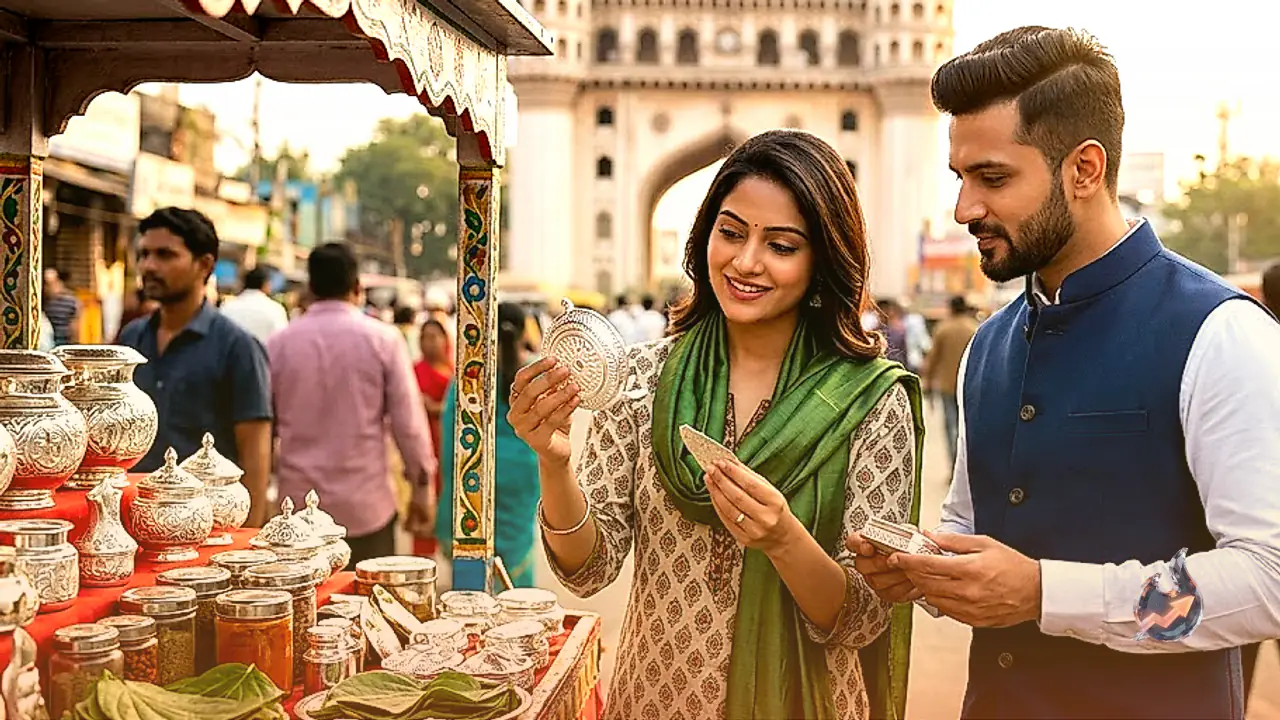

















As the festival of Rakshabandhan approaches, markets across Jagdalpur and the broader Bastar region are witnessing a significant cultural and commercial shift. This year, traditional bell metal rakhis crafted by local tribal artisans are seeing extraordinary demand, completely overshadowing mass-produced Chinese alternatives. Reflecting the rich heritage of Chhattisgarh's ancient metal craft, these handcrafted creations are captivating buyers while shattering sales records from previous years.
Rising Prominence of Traditional Craft Over Imported Options
Bastar's famed bell metal and Dhokra craftsmanship has successfully transitioned from traditional decorative art into mainstream festive retail. In the bustling markets of Jagdalpur, the sheer durability and intricate handiwork of these metal rakhis have become a major highlight for shoppers. Priced competitively between ₹150 and ₹200 per piece, these rakhis offer consumers an authentic piece of heritage. Buyers are increasingly shunning synthetic plastic and Chinese products in favor of supporting local Indian artisans whose work guarantees long-lasting strength.
Seventeen Years of Dedication by Chilkuti Artisan Ludar Besra
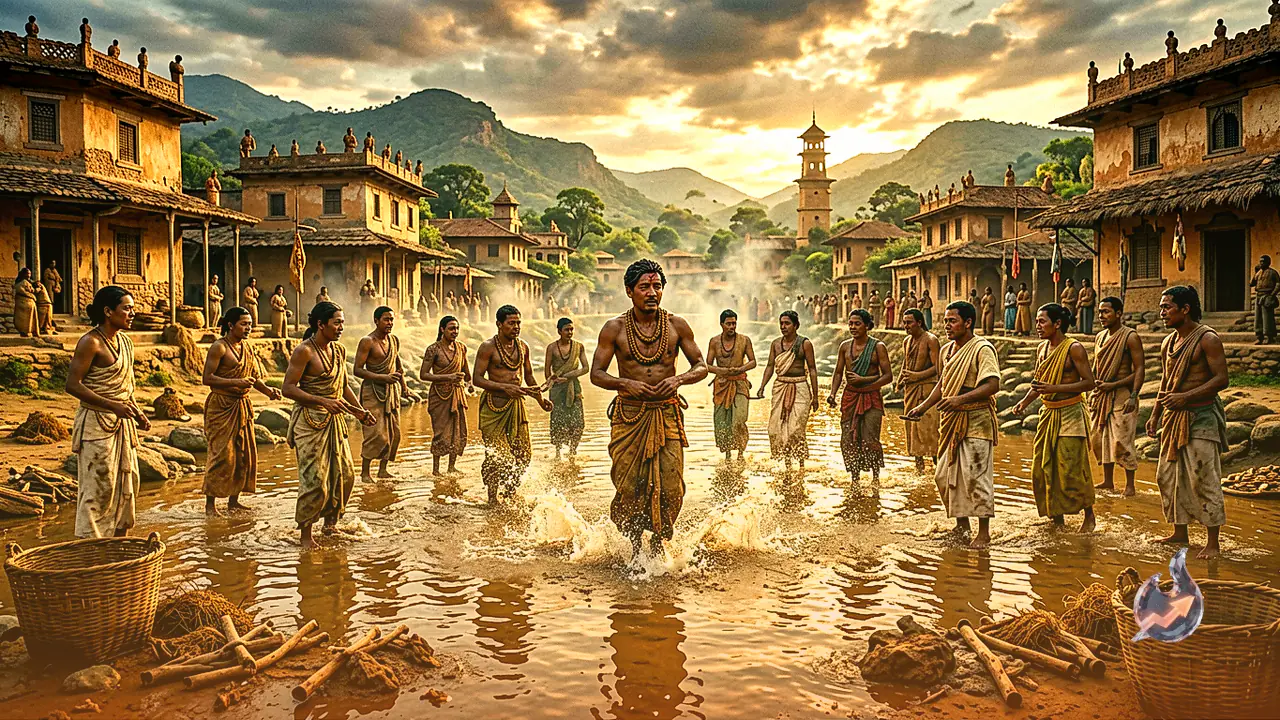
Behind every exquisite piece lies the painstaking labor and decades of experience of local craftspeople. Ludar Besra, an artisan based in Chilkuti village, has been practicing the art of bell metal crafting for 17 years. According to Besra, making these rakhis requires immense patience, precision, and physical effort. To cater to evolving consumer preferences, he also accepts custom orders to create tailored designs. Highlighting the labor-intensive nature of the trade, Besra notes that shaping just 20 pieces of raw wax motifs takes an entire day of continuous work.
The Intricate Three-Day Casting and Wax Modeling Process
Transforming raw metal into a finished, elegant rakhi involves a meticulous multi-stage process that requires a total of three days for complete casting and curing
- Day One (Wax Sculpting): Artisans meticulously carve detailed rakhi patterns using natural beeswax to form the core model.
- Day Two (Clay Coating): A thick layer of wet clay paste is carefully applied over the delicate wax structure and left to dry thoroughly.
- Day Three (Furnace Firing and Metal Casting): The clay mold is baked in a high-temperature furnace, causing the wax inside to melt away so that molten bell metal can be poured into the cavity.
Once removed from the furnace, the baked molds are allowed to cool before being broken open. The metal pieces are then thoroughly cleaned, polished, and finished, making them ready for final sale.
Distribution via Zila Panchayat and E-Commerce Channels
Although the manual production process is time-consuming, customer enthusiasm remains exceptionally high, with buyers snapping up available stock almost instantly. To broaden their commercial reach, these handicraft rakhis are being distributed through local market stalls as well as government initiatives organized by the Zila Panchayat. Furthermore, online sales channels have generated substantial order volumes from across the country. This remarkable spike in demand compared to past years has brought financial prosperity and renewed national recognition to Bastar's traditional craft community.