





















In the historical region of Pali Marwar, Rajasthan, the sacred occasion of Raksha Bandhan brings deeply solemn memories of extraordinary sacrifice, heroism, and tragic devastation. For the Shri Adi Gaur Vanshiya Paliwal Brahmin community, Shravani Purnima is not celebrated as a festival of joy, but observed as an epochal day of mourning and tribute to ancestors who laid down their lives defending their faith and dignity. Having originally settled in this region during the 6th century, the community established a flourishing society known across western India for its economic prosperity, structured social welfare, and foresight.
The One Brick and One Rupee Social Tradition of Flourishing Pali
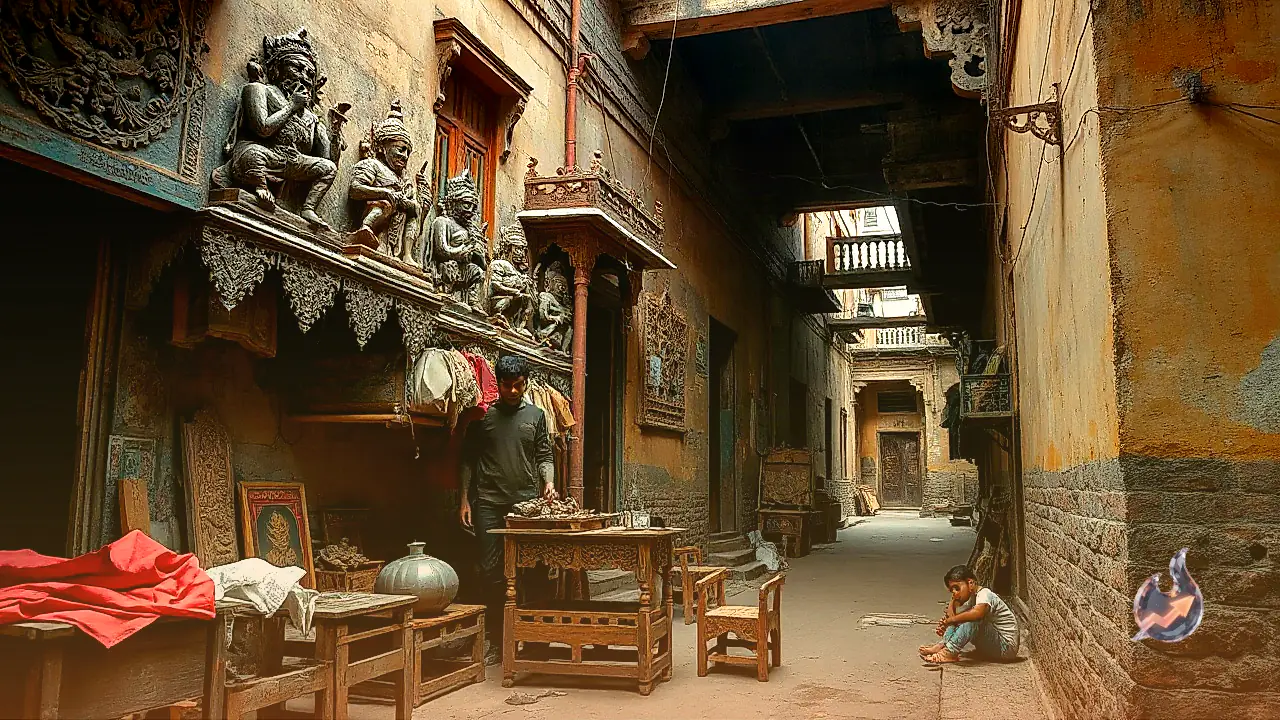
According to historical records and community elders, the Shri Adi Gaur Vanshiya Paliwal Brahmins first arrived and settled in Pali in Vikram Samvat 534. Over the following centuries, the town developed into a major commercial and cultural center, with the community's population expanding beyond one lakh individuals. The Paliwal Brahmins created a legendary cooperative model of mutual assistance to maintain social cohesion and economic strength. Whenever an impoverished or newly arriving Brahmin family entered Pali, every existing household in the town provided a single brick and a single rupee as a collective gift. This organized community support enabled the new family to construct a home and launch a trade overnight. In addition to being accomplished scholars and custodians of Vedic traditions, the Paliwal Brahmins possessed extraordinary acumen in commerce and trade. To safeguard their thriving settlement from regional bandits and external invaders, the community entrusted governance and protective responsibilities to King Siha, the revered founder of the Rathore dynasty.
The Invasion of Sultan Jalaluddin Khilji and the Defense of Pali
During Vikram Samvat 1347-48 (1291-92 AD), Sultan Jalaluddin Khilji (Firoz Shah II) of the Delhi Sultanate launched a major military campaign against Pali after receiving reports of its immense wealth and commercial success. Drawn by the town's prosperity, the Sultan dispatched a formidable army to capture the settlement. At that time, the military defense of Pali was under the leadership of Rathore ruler Aasthan, the son of Rao Siha. Ruler Aasthan fought valiantly alongside the local defenders to protect the inhabitants of Pali, ultimately achieving martyrdom on the battlefield. When direct military assault failed to completely break the town's defense, Khilji's commanders employed unethical warfare tactics. The invading army slaughtered cattle and threw them into Lohadiya Pond and Lakhotia Pond—the primary drinking water sources for the town—thereby desecrating the water supply and forcing the inhabitants into a dire crisis.
Supreme Sacrifice at Dhaula Chautra on Shravani Purnima
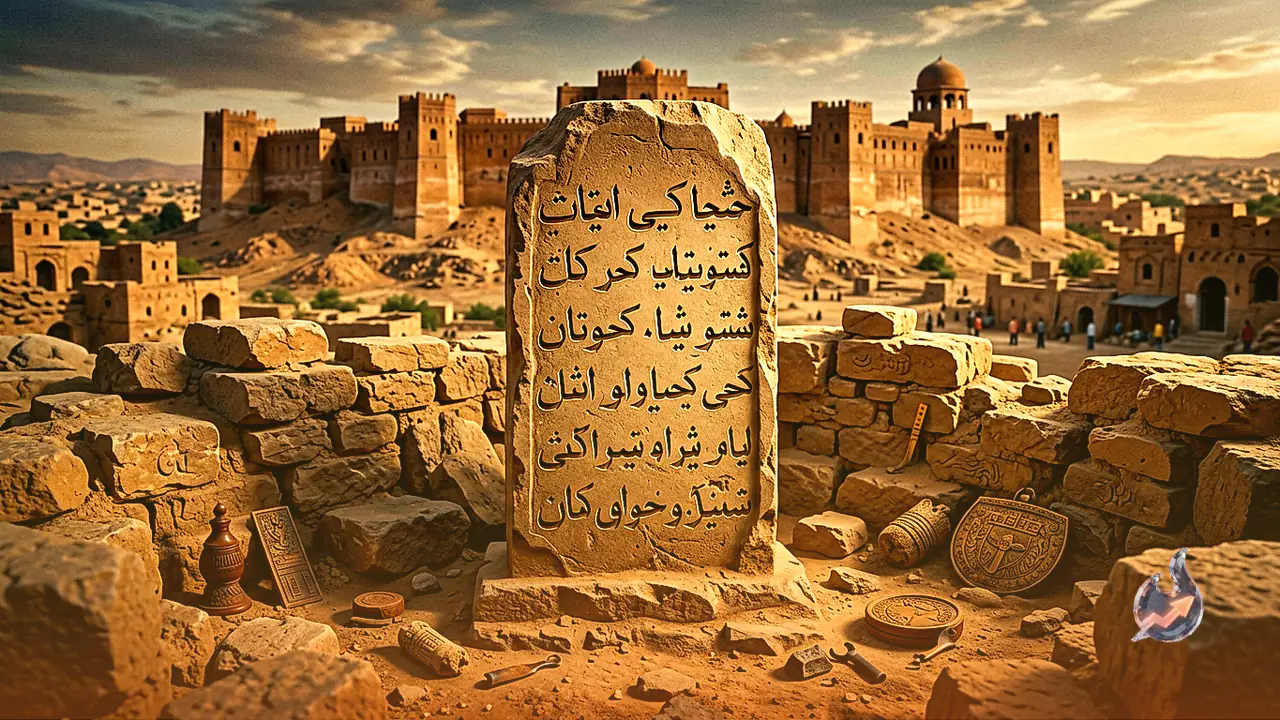
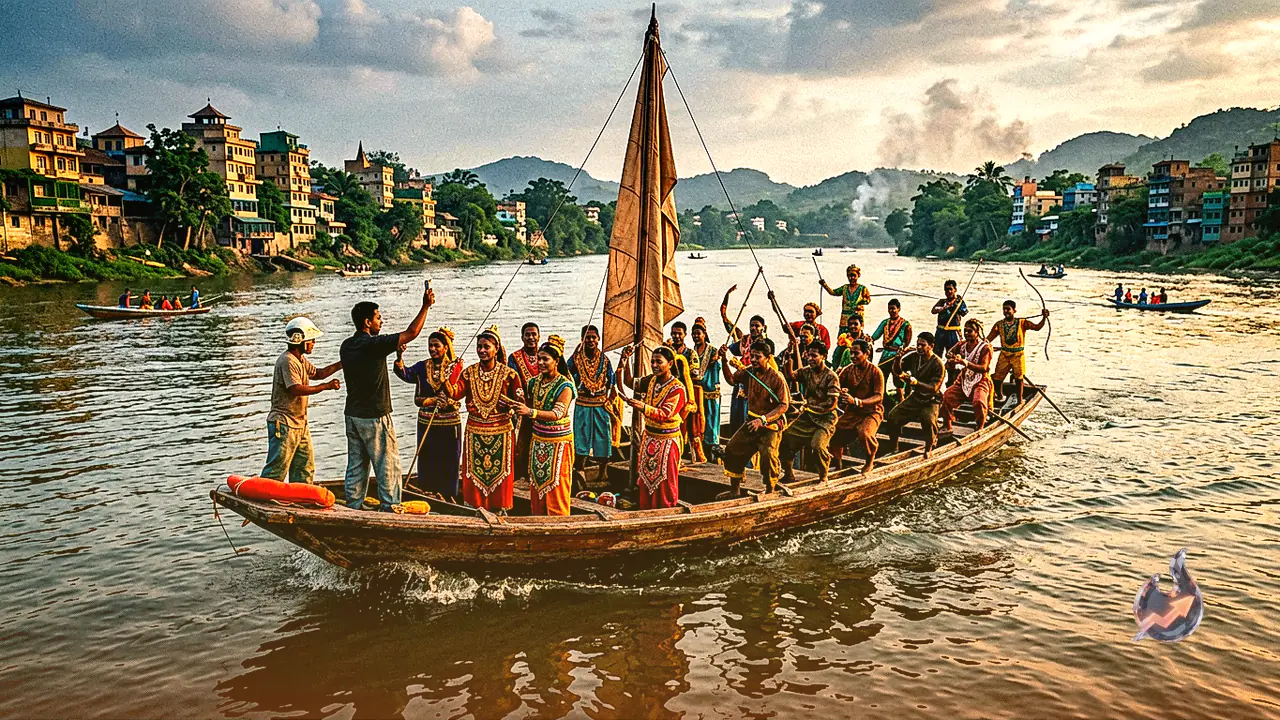
On the morning of Shravani Purnima, thousands of Paliwal men were gathered at the banks of Lohadiya and Lakhotia ponds to perform their traditional Shravani Upakarma and Tarpan rituals. Surrounded by Khilji's forces, thousands of Paliwal Brahmins refused to yield. Donning saffron attire and holding their sacred weapons while wearing their holy threads, they plunged into battle to protect their religious identity and honor. In the horrific massacre that ensued, thousands of Brahmin men were killed, leaving countless women widowed. The staggering magnitude of this sacrifice is recorded in historical traditions: the sacred threads (Janeu) collected from the bodies of the fallen martyrs weighed 9 maunds, while the ivory bangles removed by widowed mothers and sisters weighed 84 maunds. To protect these holy relics from desecration by the invaders, they were buried in a deep well at 'Dhaula Chautra' in Pali, which stands to this day as a silent witness to their supreme valor.
Mass Migration and the Creation of 84 New Villages
In the aftermath of the tragic devastation and loss of life, the surviving members of the Paliwal Brahmin community swore never to live under enemy subjugation. On that very day of Raksha Bandhan, the entire community took the historic decision to collectively abandon their beloved town of Pali. Leaving behind their prosperous homes, agricultural lands, and commercial establishments, they migrated to different parts of India. A significant portion of the community journeyed into the Kingdom of Jaisalmer, where they utilized their engineering skills and hard work to build 84 new prosperous villages, including the famous settlements of Kuldhara and Khabha. Every member of the community continues to honor this solemn heritage.
Tribute at Paliwal Dham and Contemporary Observances
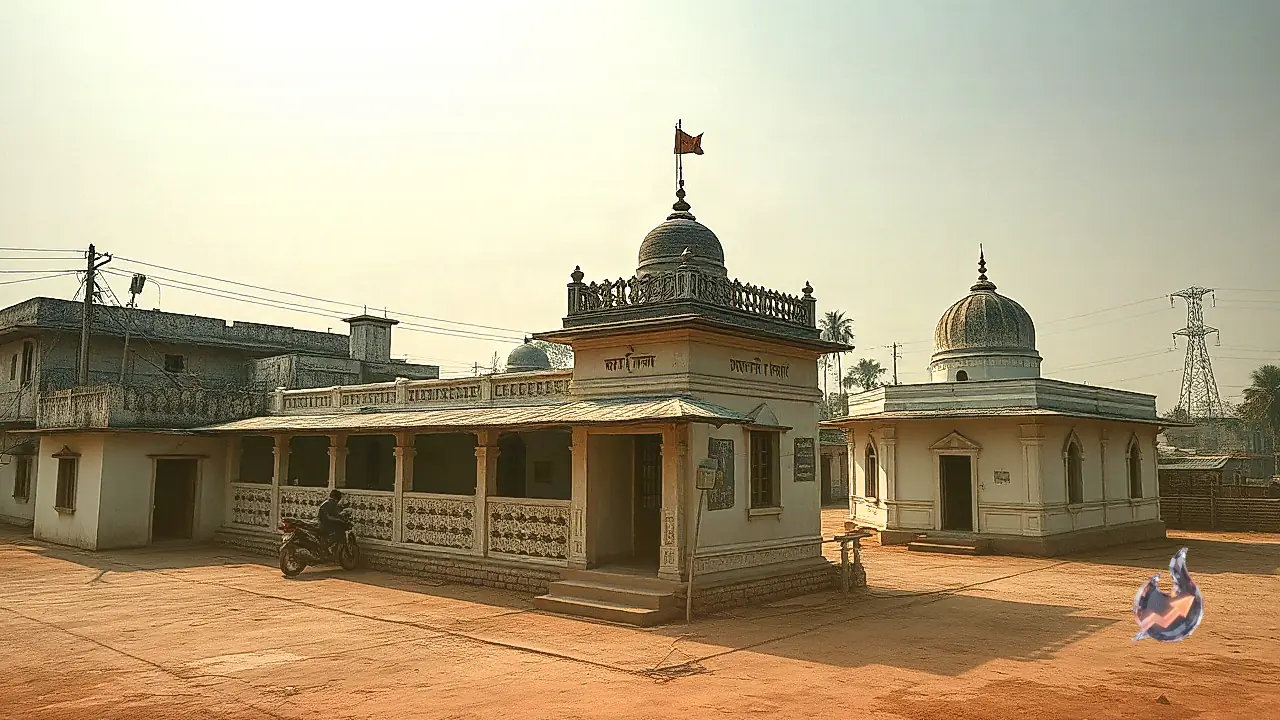
According to Rishidatt Paliwal, Vice President of Rajasthan Paliwal Samaj, the Paliwal Brahmin community does not celebrate Raksha Bandhan with joyous festivities on Shravani Purnima. Sisters refrain from tying Rakhi threads on their brothers' wrists; instead, community members assemble at water reservoirs to perform solemn Tarpan rituals in memory of their departed ancestors. Thousands of community members from across India gather annually at Dhaula Chautra and the multi-crore Paliwal Dham memorial in Pali to pay homage to the martyrs who sacrificed everything for faith and honor.