


















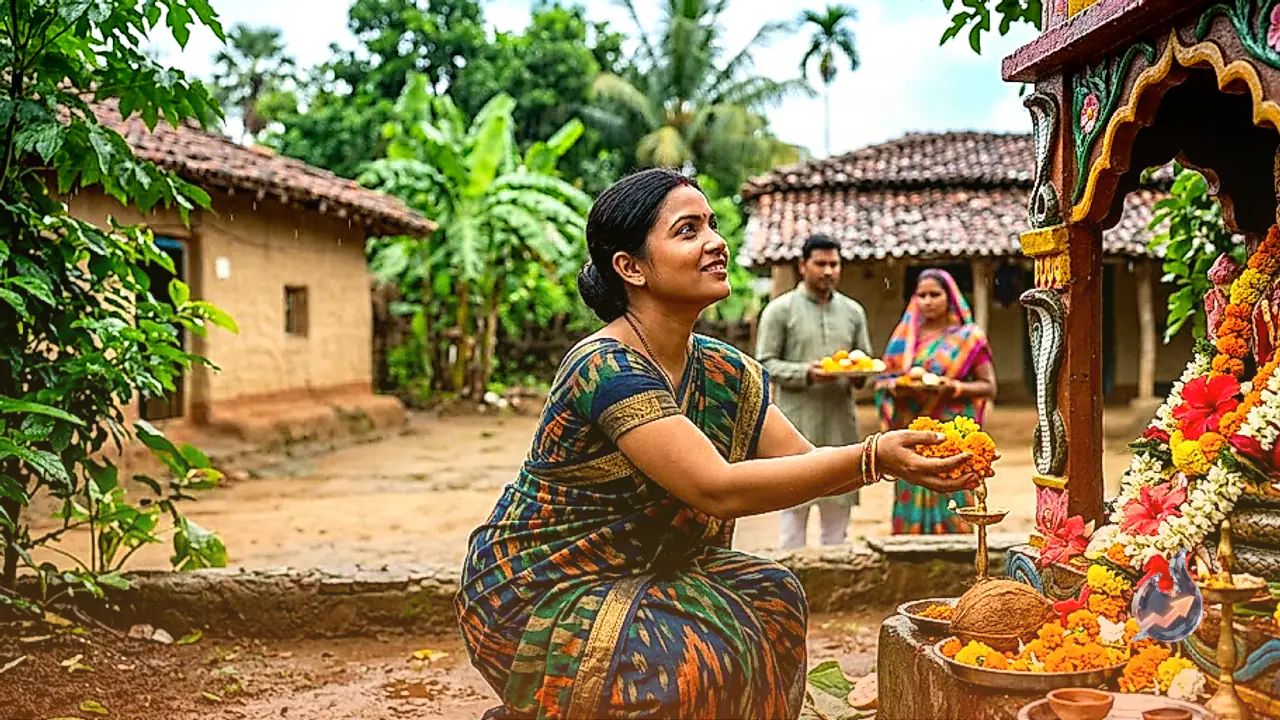

With the arrival of the monsoon season across rural parts of Jharkhand, local communities begin taking extra precautions to safeguard themselves against seasonal hazards. Heavy rainfall frequently causes waterlogging near agricultural fields, dense bushes, and residential areas. As their natural underground habitats fill with water, venomous snakes, scorpions, and other reptiles emerge in search of dry, safe shelters, often wandering into human dwellings and mud houses. During this period, residents in Jamshedpur and surrounding countryside villages organize special prayers dedicated to Goddess Mansa. In regional folk traditions, Goddess Mansa is revered as the presiding deity of serpents, and devotees firmly believe that worshipping her wards off dangerous encounters with venomous creatures throughout the rainy months.
Monsoon Hazards and the Reliance on Folk Devotion
Rural livelihoods in the region depend heavily on farming, forestry, and local natural ecosystems. As agricultural operations like sowing and land preparation pick up pace during the rains, farmers and field laborers face a heightened risk of encountering venomous wildlife. In response to this daily anxiety, rural households turn to Goddess Mansa with deep reverence. Popular belief holds that performing traditional rituals for the deity secures divine protection for family members and significantly reduces the threat of snake and scorpion bites. Villagers offer earnest prayers asking the goddess to protect farmers working out in the fields as well as children and elderly relatives staying at home.
Rituals and Offerings Dedicated to Goddess Mansa
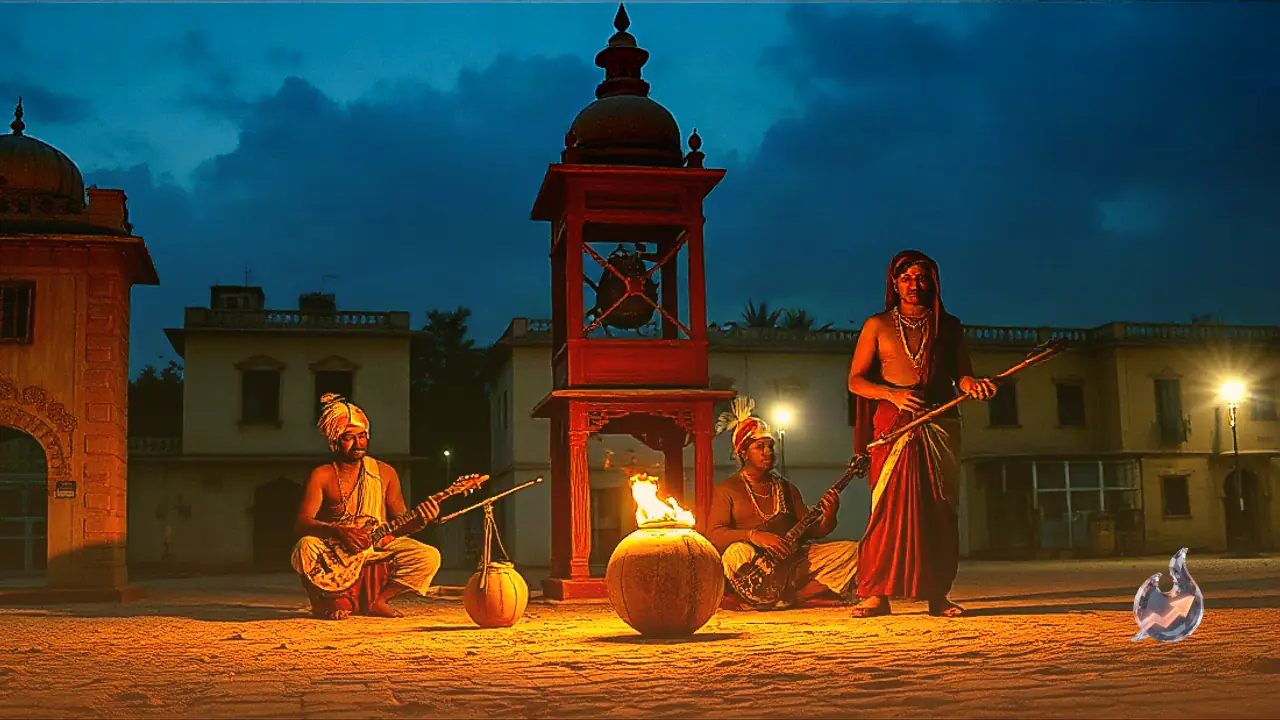
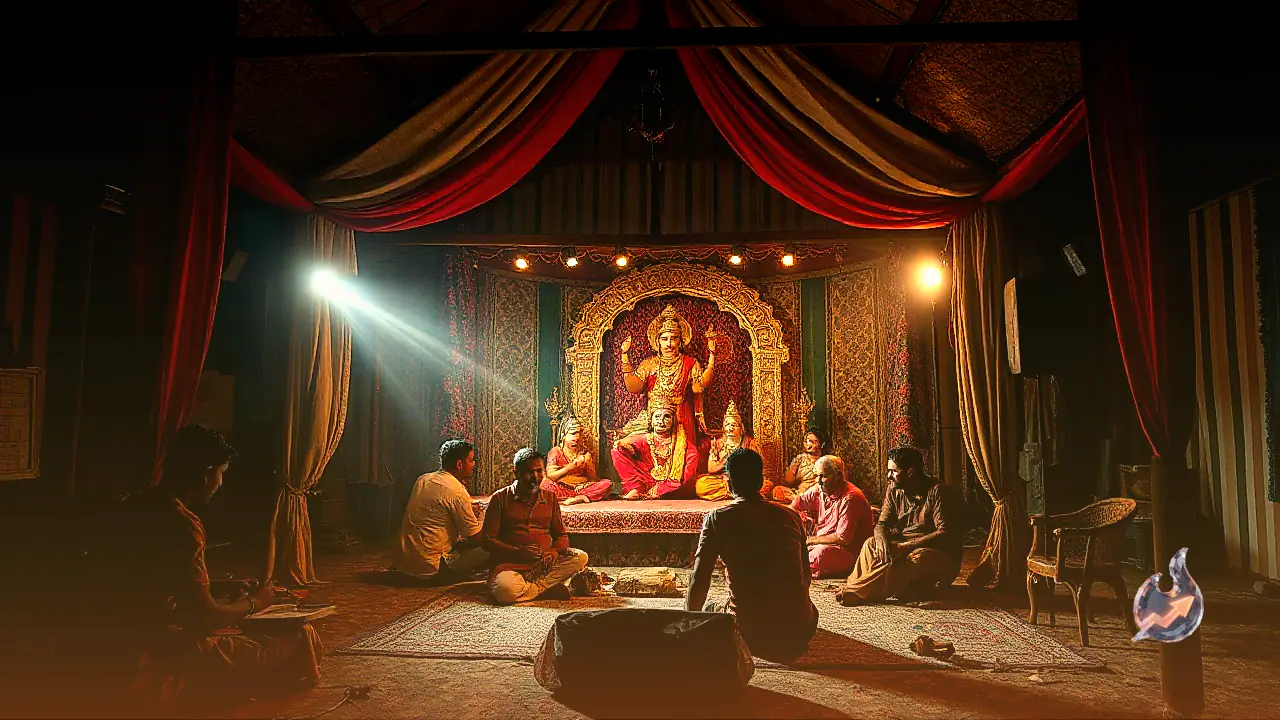
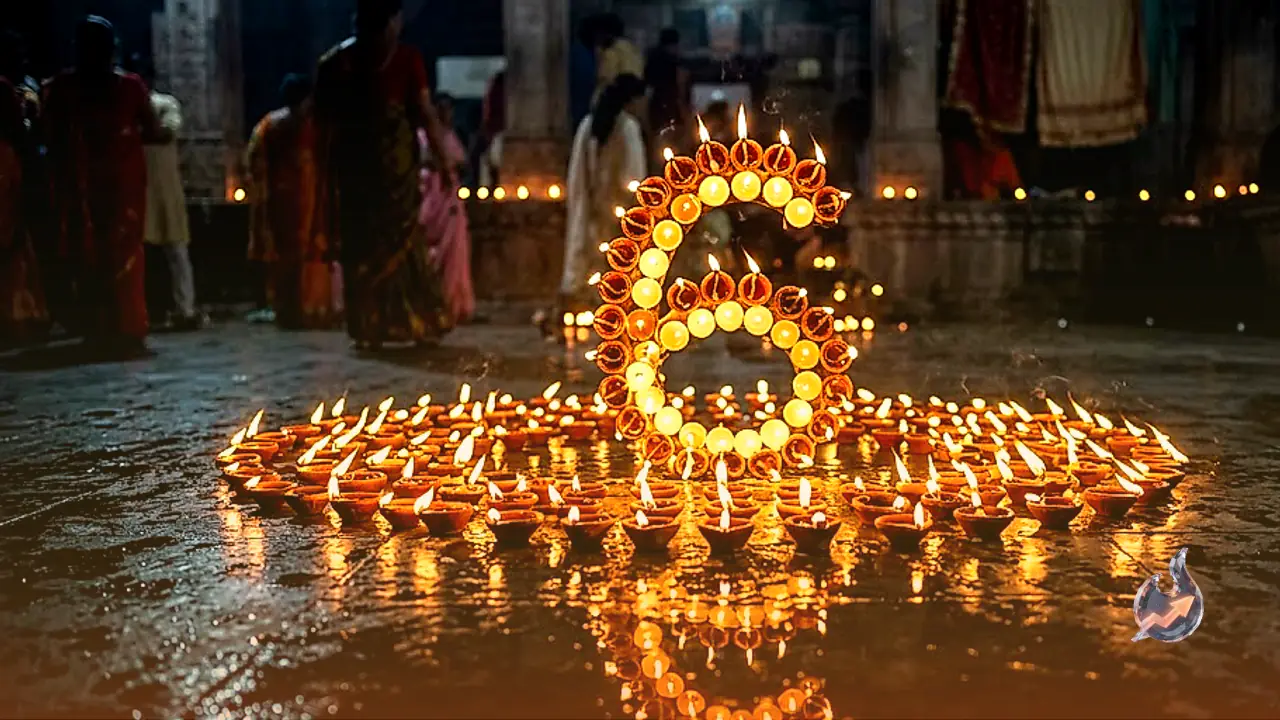
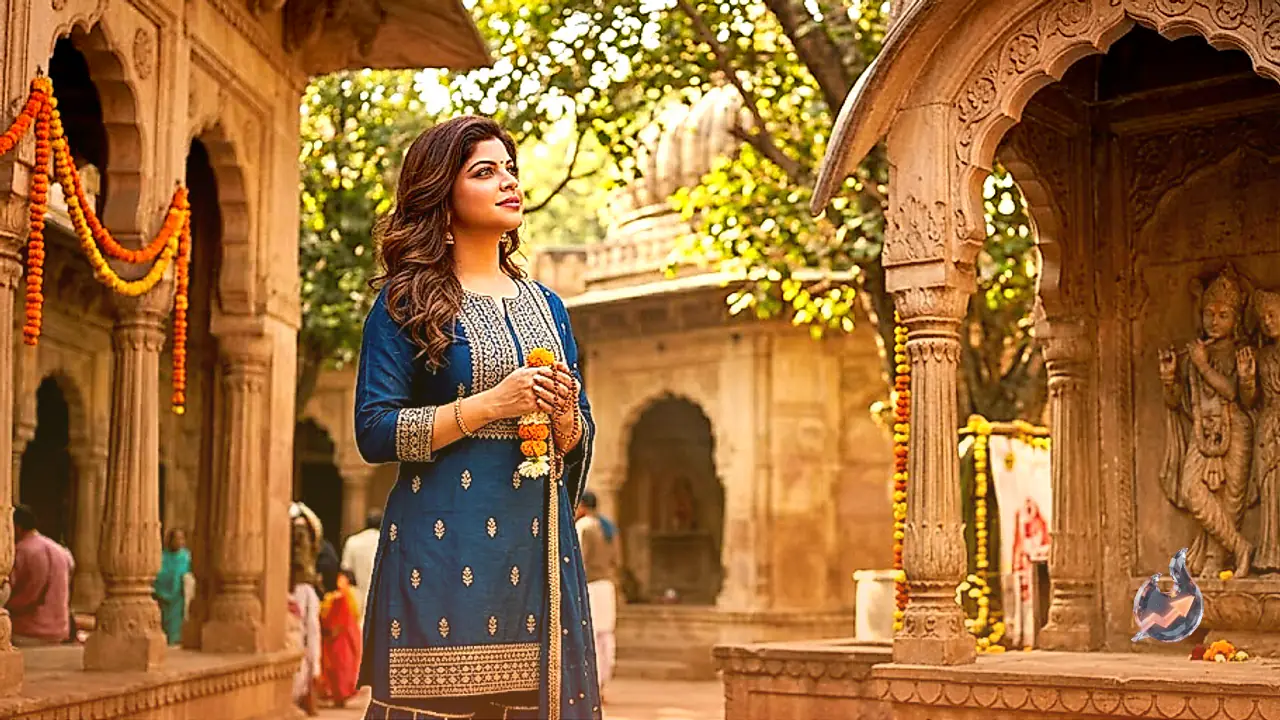
The rituals associated with Goddess Mansa are observed with great devotion and traditional detail. Devotees set up idols, photographs, or symbolic representations of Nag, the serpent deity, at worship venues. Offerings placed before the altar include fresh flowers, incense sticks, traditional oil lamps, seasonal fruits, and specially prepared sweet prasad. In many villages, the practice of offering milk before serpent symbols is also followed. Community members gather to perform structured prayers, seeking blessings for overall village peace, prosperity, health, and collective protection against monsoon dangers.
Deep Ties Between Rural Culture, Nature, and Traditions
A defining feature of folk culture in Jharkhand is the harmonious connection between religious faith and the natural environment. Daily life in rural areas remains closely linked with forests, rivers, farmland, and seasonal cycles. Because the emergence of snakes during the monsoon is an unavoidable natural occurrence, it naturally causes concern among local residents. Consequently, worshipping Goddess Mansa is viewed not merely as a religious ritual, but as an expression of respect for nature and all living creatures. These time-honored customs, passed down through generations of village elders, continue to be actively sustained and cherished by the younger generation today.
Community Unity and the Role of Local Women
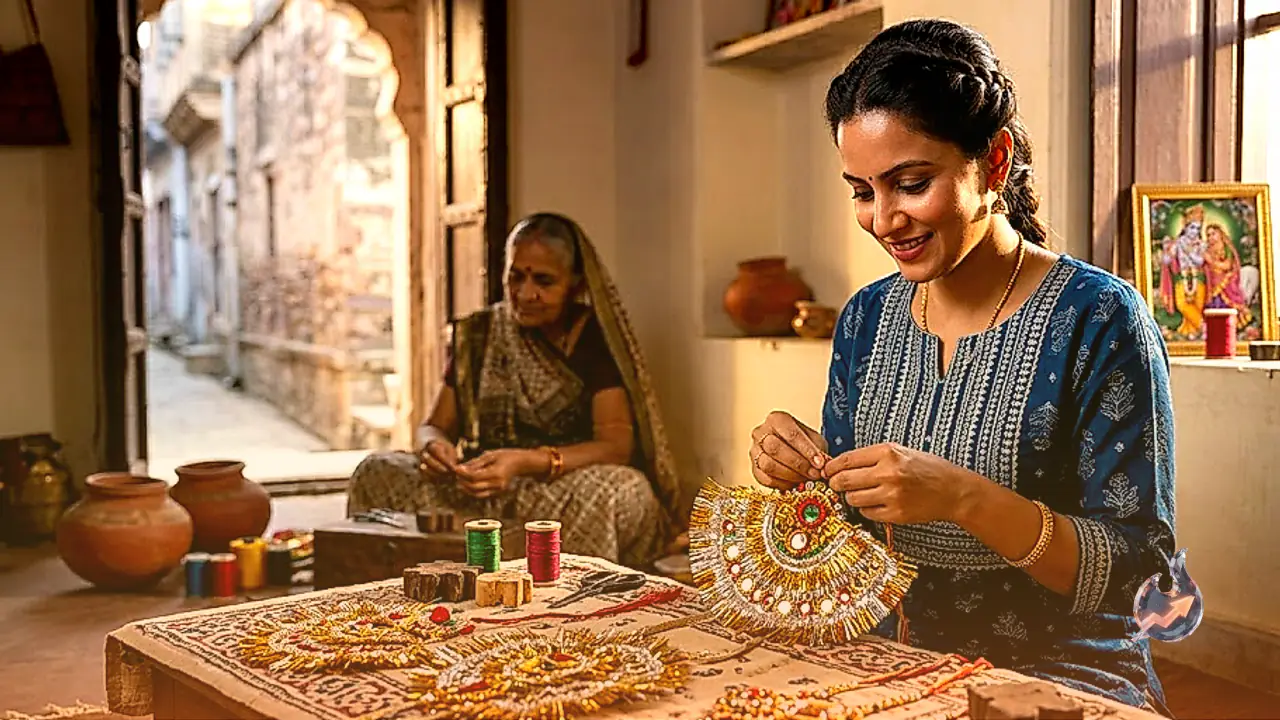
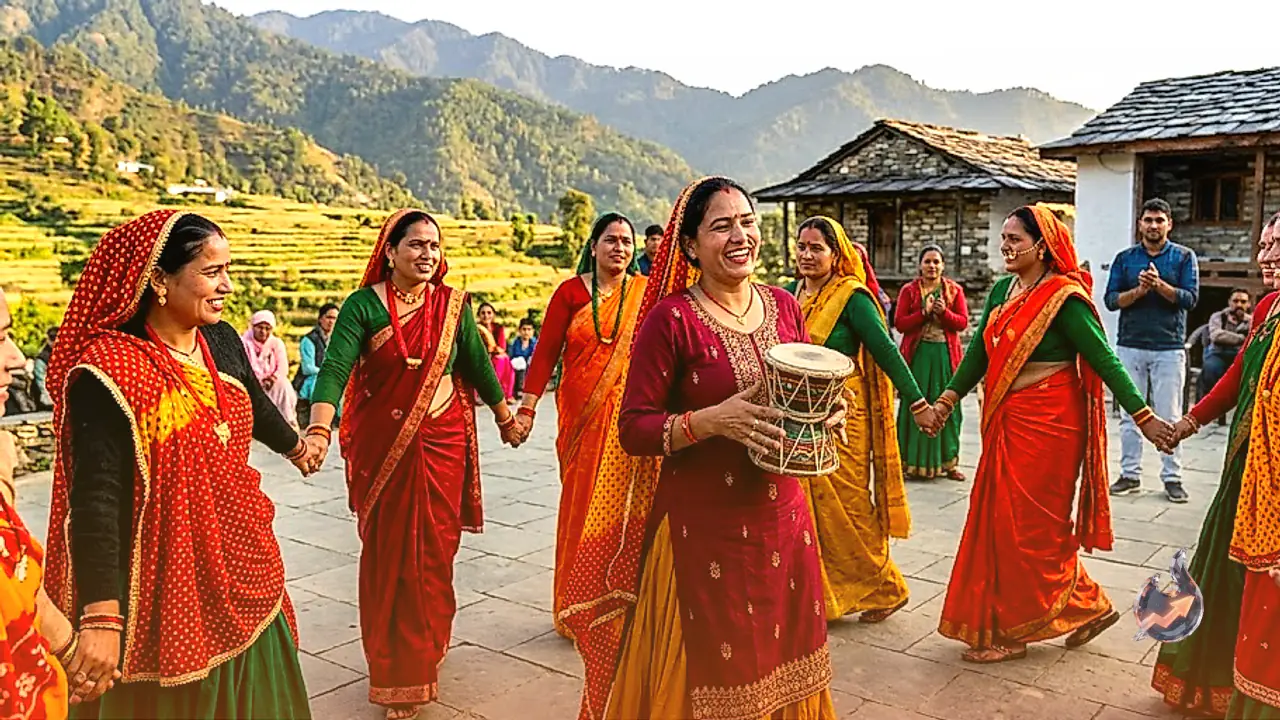
Village women play a central role in preparing for and conducting these traditional ceremonies. Prior to the rituals, homes and dedicated worship spaces are thoroughly cleaned and decorated. Family members and neighbors then gather in traditional attire to participate in joint prayer sessions. Celebrations are enriched by the singing of traditional folk songs and the execution of age-old rituals. This collective participation strengthens communal bonds, fosters social harmony, and reinforces neighborly solidarity alongside religious devotion.
Expert Guidance on Symbolic Worship and Snake Rescue
While offering milk to snakes has long been part of religious customs, wildlife experts and conservationists strongly urge caution regarding live reptiles. Experts clarify that snakes do not naturally consume milk as part of their diet. Capturing wild snakes or forcibly feeding them milk causes severe distress and physical harm to the animals, while posing dangerous bite risks to humans. Wildlife authorities advise that worshipping symbolic representations, such as clay or metal snake idols, is a much safer alternative. Furthermore, if a snake is spotted in a residential area or field, residents are strongly advised not to kill the animal, but rather to contact trained wildlife rescue personnel or local forest department officials for assistance.
A Living Symbol of Jharkhand’s Rich Cultural Heritage
The worship of Goddess Mansa highlights the unique cultural heritage of rural Jharkhand, where spiritual faith, environmental consciousness, and community life coexist. When monsoon rains bring an increased threat of venomous bites, folk devotion provides villagers with spiritual reassurance and mutual support. This enduring tradition remains an essential part of the region's living culture and rural identity.