





















Delhi Announces New Solar Policy With Free Panels And SubsidiesDelhi
1 Sept 2026, 5:13 pm (49 min ago)· 3

Delhi Announces New Solar Policy With Free Panels And Subsidies

The Delhi government has approved a new solar policy to provide free solar panels and maintenance to 2.3 lakh households.

The Delhi government has introduced a brand new solar policy aimed at boosting renewable energy adoption across the national capital. The updated framework was cleared during a key cabinet meeting, paving the way for substantial financial relief and reduced electricity costs for residents.

Official Briefing On The Policy

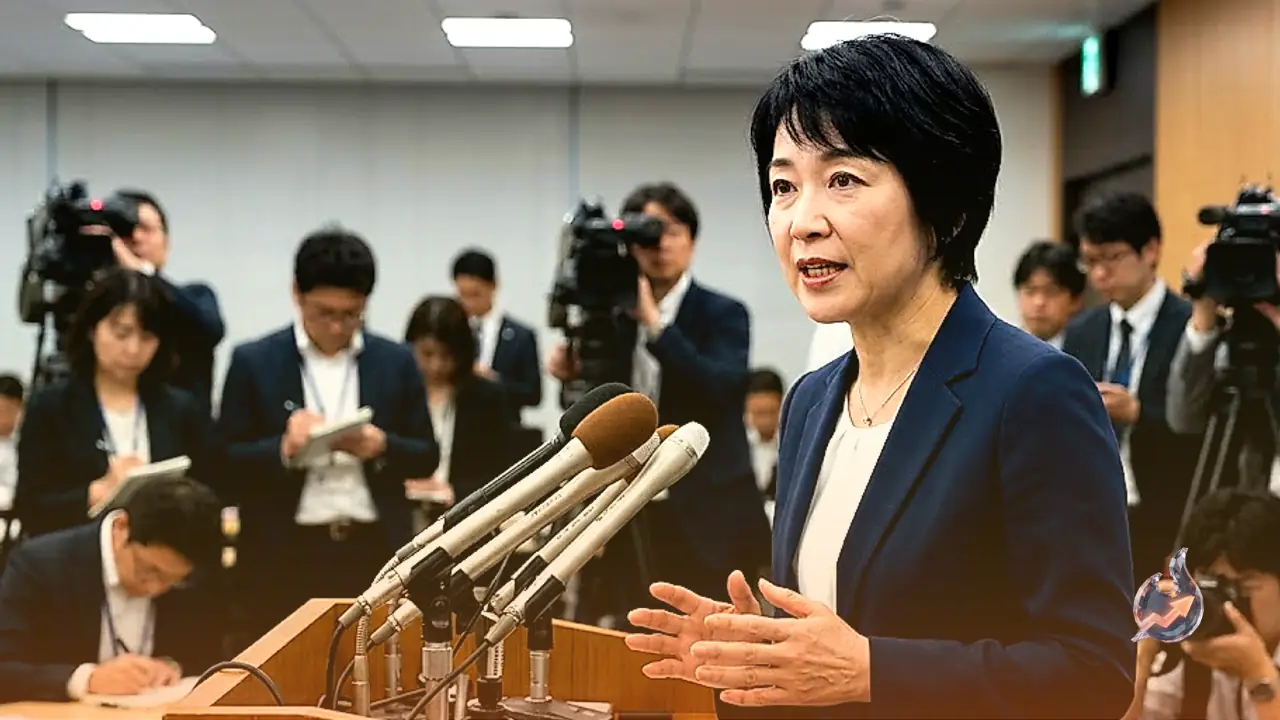
Following the cabinet meeting, Chief Minister Rekha Gupta and Minister Ashish Sood addressed a press conference to outline the nuances of the initiative. Minister Sood informed reporters that the cabinet has successfully cleared the second amendment to the Delhi Solar Energy Policy, focusing on widespread implementation.

Also read

Free Panels And Maintenance Guarantee

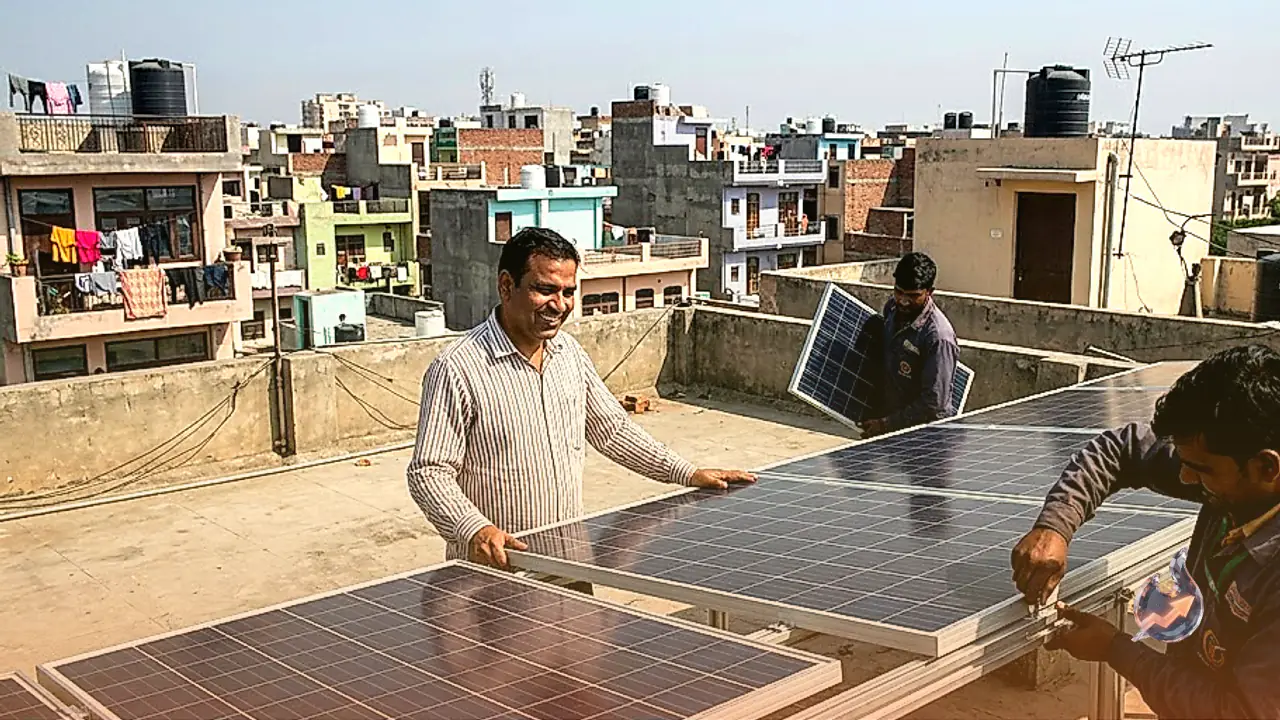
Under the revised framework, the administration has decided to install solar panels free of cost for 2.3 lakh households. Chief Minister Rekha Gupta explained that because the PM Surya Ghar Muft Bijli Yojana was not being fully leveraged in Delhi, the local government stepped in with this targeted decision. Households with a monthly power consumption of up to 400 units will receive these installations completely free. The entire rollout is scheduled for completion by March 2027. Furthermore, the government will also take complete charge of the ongoing maintenance expenses for these systems.

Breakdown Of Financial Subsidies

Detailing the financial aid structure, authorities noted that for a three-kilowatt solar setup, the central government will provide 78,000 rupees, while the Delhi government will match it with another 78,000 rupees. A crucial highlight of this policy is that this financial assistance will be provided over and above the regular subsidies offered under the central PM Surya Ghar scheme. Meanwhile, households already receiving subsidies for up to 200 units of electricity will continue to get those benefits uninterrupted.

Early Incentives And Expansion Targets

In a major shift from previous norms, financial incentives that were earlier disbursed after a gap of five years will now be provided upfront to beneficiaries. The administration has set a broad target of equipping approximately 2.25 million new homes across the capital with rooftop solar infrastructure. The overarching objective is to integrate more residential units into green energy networks and alleviate financial burdens. With the cabinet nod now secured, official notifications detailing eligibility criteria, application workflows, and operational guidelines are anticipated shortly.


Questions & Answers

Who introduced the new solar policy in Delhi?
The new solar policy was introduced by the Delhi government, announced by Chief Minister Rekha Gupta and Minister Ashish Sood.
How many people will receive free solar panels?
A total of 2.3 lakh households in Delhi will receive free solar panels under this initiative.
Which households are eligible for the free panels?
Families with a monthly electricity consumption of up to 400 units are eligible for this benefit.
What is the total subsidy amount for a three-kilowatt solar system?
The central government will provide 78,000 rupees and the Delhi government will contribute another 78,000 rupees, making it 156,000 rupees in total.
Will existing electricity subsidies continue?
Yes, consumers who are already receiving the 200-unit electricity subsidy will continue to receive it.
Who will bear the maintenance costs for the solar panels?
The Delhi government itself will bear all expenses related to the upkeep and maintenance of the solar panels.
By when is the project targeted for completion?
The government has set a deadline of March 2027 to complete the entire rollout.

Comments 2

Karan Malhotra@karan-malhotra·25m ago

While this policy offers significant financial relief, my focus as a crime reporter is that installing solar hardware across over two lakh homes by March 2027 will pose substantial logistical challenges, requiring strict vendor verification and transparency in fund distribution. Robust administrative oversight and legal safeguards will be crucial to prevent any potential fraud or financial irregularities regarding subsidies and maintenance.

Rohan Verma@rohan-verma·25m ago

I completely agree with my colleague's apprehension that ensuring transparency in reaching 2.3 lakh households and distributing heavy subsidies will be a major administrative test. With the strict March 2027 deadline in place, an immediate robust framework for vendor verification, fraud prevention, and fund monitoring is essential to protect this welfare scheme from financial malpractices.

Citizen journalism

Become a TrendKia journalist

Voice of the people

Share news, photos and videos from your area with TrendKia and let your voice reach the nation. Every citizen a journalist.

Join now
CH 01 LIVE
TrendKia TV ON AIR