



















Iceland has formally voted against restarting negotiations to join the European Union, exactly 13 years after discussions were suspended. The decision comes after a closely watched public vote that saw high turnout across the island nation.
According to reports by public broadcaster RUV, 52.8% of the 225,031 participating voters turned down the government's proposal, while 47.2% cast a yes vote. The margin between the two sides amounted to roughly 12,600 votes.
Fishing Industry Dominates Public Debate
Prime Minister Kristrún Frostadóttir's centre-left government had initially pledged to stage a referendum by 2027, but advanced the timeline due to rising international tensions, which included remarks from US President Donald Trump regarding Greenland. However, discussions among the nation's population of nearly 400,000 focused heavily on the domestic fishing sector rather than broader security matters.
With roughly 270,000 individuals eligible to cast ballots, RUV noted that voter turnout reached 82.5%, marking the highest participation rate recorded in any Icelandic election since 2009.
Economic Ties and Historical Context
While Iceland already participates in the EU's single market and the Schengen border-free zone, full membership would integrate the country into the customs union and eventually adopt the euro. The nation initially applied for EU membership in 2009 following a severe financial crisis and the collapse of its banking sector.
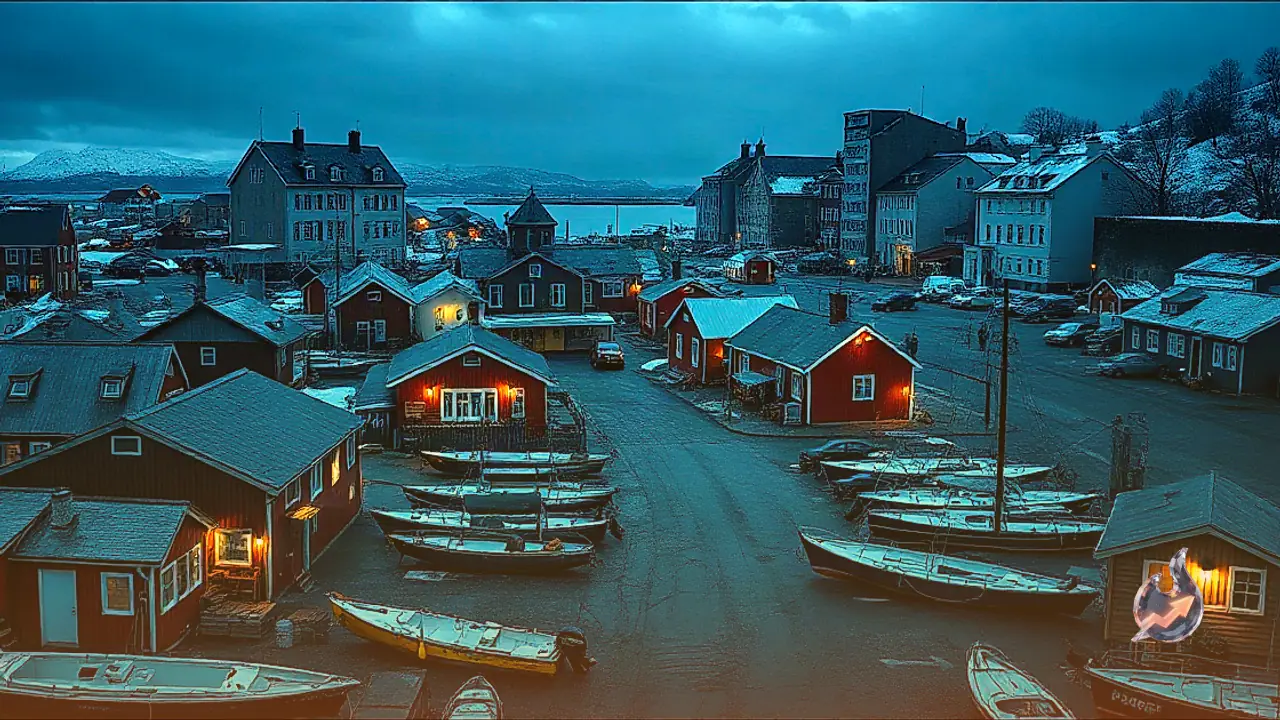
That application was well underway before a eurosceptic administration took office in 2013 and suspended the talks. Fishing rights proved to be the primary hurdle back then, a sentiment that persists today. Marine and fish products account for nearly 40% of Iceland's total exports, leading many opponents of the proposal to fear losing authority over their lucrative fishing territories under EU fisheries regulations.
Voter Perspectives and Political Stance
Speaking after casting her ballot in Reykjavik on Saturday, Prime Minister Kristrún emphasized that the campaign successfully prompted vital discussions regarding the country's global standing. She stated that the referendum was a long-awaited milestone and confirmed her administration would continue its governing responsibilities regardless of the outcome.
The exact question printed on the ballot asked whether Iceland should resume accession negotiations with the European Union. A affirmative vote would not have guaranteed membership, but would have initiated an accession agreement subject to a subsequent second referendum. Similarly, the negative outcome leaves open the possibility of reopening talks in the future.
Security and Regional Dynamics
Although economic factors heavily influenced the campaigns, security considerations also entered the conversation. Iceland is a founding member of NATO without a standing military, relying instead on allied nations for defense. Reykjavik has strongly backed Ukraine amid Russia's invasion and expressed unease over increased Russian naval activity nearby, alongside international discussions surrounding Greenland.