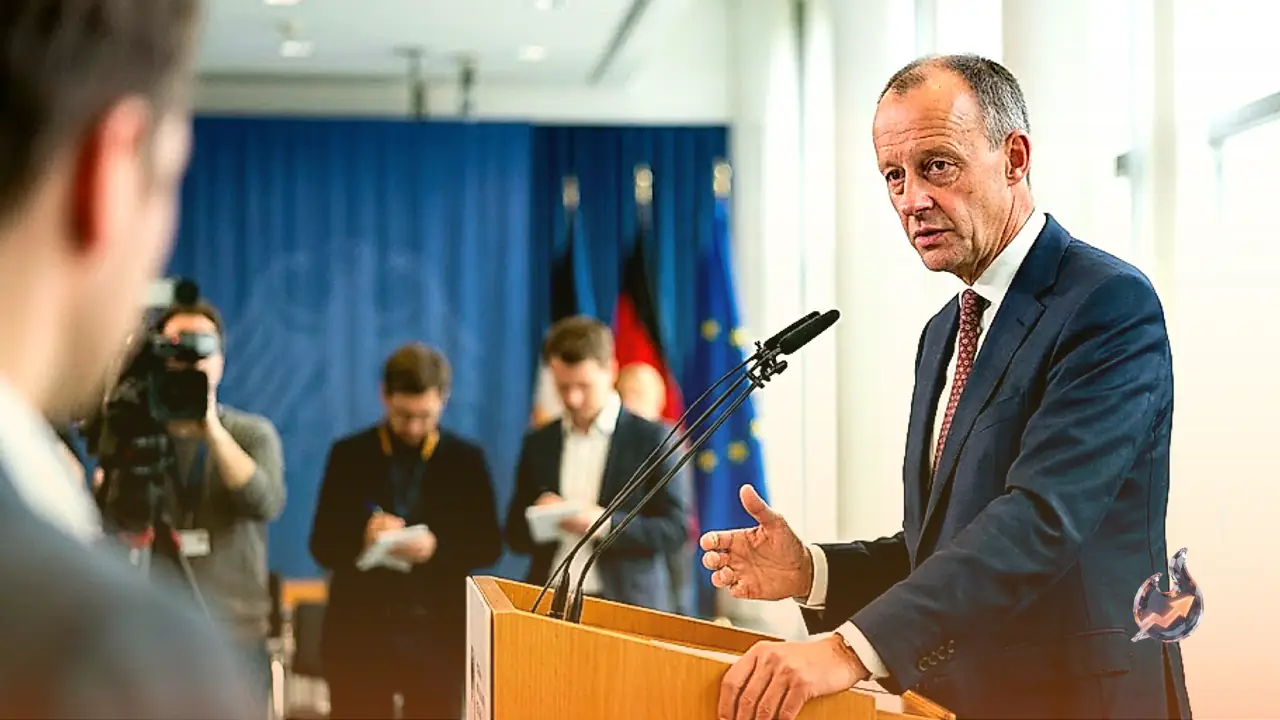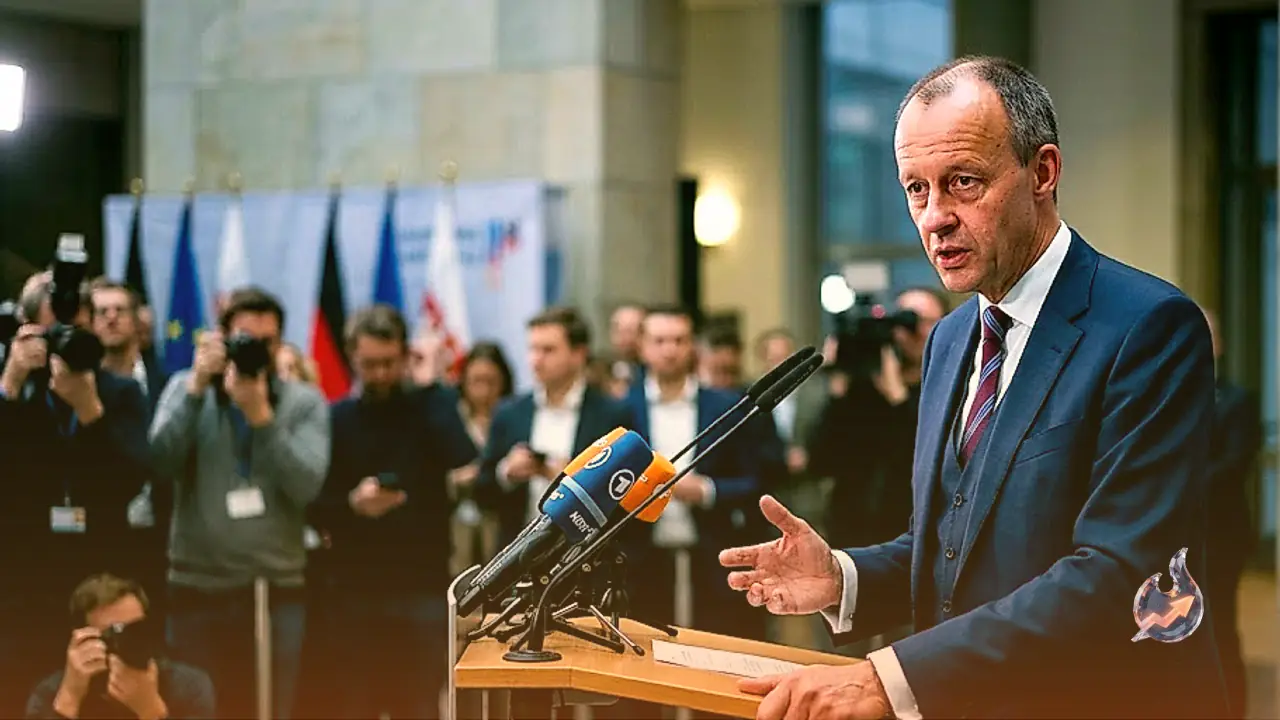
























A high-stakes Arctic territorial dispute has concluded with the formal signing of a defence agreement between the United States, Denmark, and Greenland on the sidelines of the UN General Assembly in New York. Under the terms of the updated pact, Washington has secured authorization to construct two new military installations within the strategically vital Arctic territory, while explicitly upholding Copenhagen's territorial sovereignty over the island. Addressing attendees during the official signing ceremony, US President Donald Trump stated that preparations would begin right away to establish a substantial military footprint across designated territories. Danish Prime Minister Mette Frederiksen welcomed the outcome, noting that the arrangement served the interests of the United States, Denmark, Greenland, as well as broader European and Nato security structures. Greenland's Prime Minister Jens-Frederik Nielsen characterised the trilateral pact as a shared victory for all three stakeholders, effectively cooling over twelve months of sustained geopolitical friction across the Arctic region.
Revision of the Decades-Old 1951 Bilateral Framework
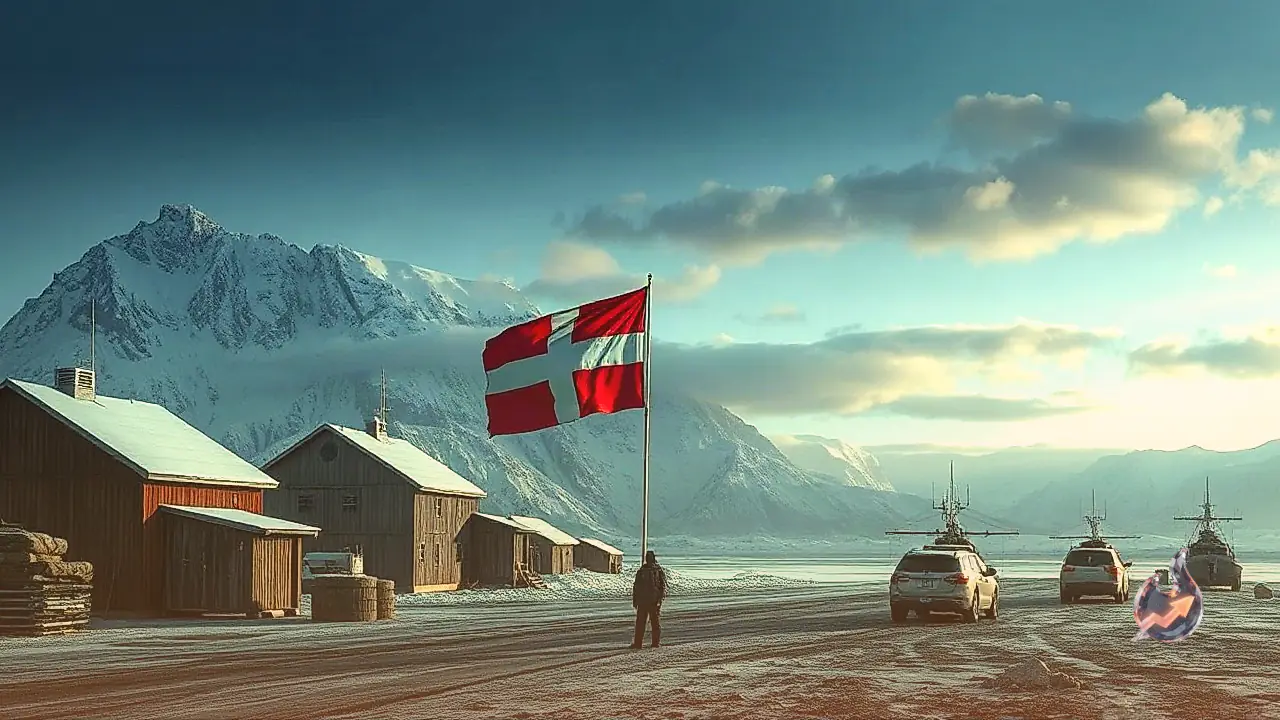
The newly ratified instrument serves as an extensive revision and modernisation of the original 1951 defence agreement entered into by Washington and Copenhagen. The text specifically stipulates that the United States is permitted to create an additional Defence Area situated at Narsarsuaq and Mestersvig, strategically covering locations across the southern and eastern sectors of the island. Each designated outpost offers vastly contrasting logistical features. Narsarsuaq benefits from deep-water maritime access alongside an expansive airstrip, which Danish reports confirmed had been subjected to surveys by US military engineers in recent days. Mestersvig presents a far harsher, isolated, and undeveloped environment, maintained primarily by a Danish naval dog sled formation. Both governments have established that the operational mechanics and technical specifications governing the new outposts remain subject to mutual consultations and final formal approval by all three participating administrations.
NATO Exclusivity and Expansion of Existing Strategic Assets
A central pillar of the newly established security architecture is the complete exclusion of non-allied international powers from deploying armed forces to the Arctic island. The agreement explicitly mandates that any nation lacking membership in Nato is strictly prohibited from establishing manned or unmanned defence structures on Greenlandic soil, nor will any non-member state be permitted to sustain a persistent military troop deployment across the territory. Meanwhile, the framework expands permissions surrounding pre-existing American facilities. Washington currently maintains operational control over the Pituffik Space Base positioned in the north-western reaches of the island, where an active contingent of over 100 military personnel remains stationed. Under the amended terms, the US military has secured express clearance to modernize infrastructure and broaden operational activities conducted at Pituffik. Notably, the historical 1951 framework already granted the United States sweeping authority to deploy troops to the island without numerical caps, with the new pact refining operational coordination.
Sovereignty Guarantees and Greenland's Autonomous Trajectory
During the proceedings in New York, US President Donald Trump highlighted the future trajectory of transatlantic ties, remarking that the nations were moving toward an exceptionally strong and secure partnership that offered enormous strategic gains for Europe, Greenland, and the United States. Danish Prime Minister Mette Frederiksen framed the signing as a critical benchmark in bilateral diplomacy, observing that the original accord forged 75 years ago had now been superseded by a more comprehensive framework capable of enduring indefinitely. She emphasized that the signed text unconditionally respects the territorial boundaries and sovereignty of the Kingdom of Denmark alongside Greenland's inherent right to democratic self-determination. Emphasizing the cooperative nature of negotiations, Greenland's Prime Minister Jens-Frederik Nielsen remarked that the pact represented an accord crafted directly with Greenland rather than merely about its territory, ensuring the protection of local residents, commercial livelihoods, and national advancement. He emphasized that Greenland remains integral to transatlantic and North American hemispheric defence amidst shifting global power dynamics. Crucially, the agreement codifies that should Greenland choose to pursue full independence from Denmark in the future, the Arctic territory will retain full membership within the Nato framework.
Diplomatic Rancour, Strategic Minerals, and the Golden Dome Vision
The conclusion of negotiations closes a contentious period sparked by earlier American threats to assert control over the semi-autonomous territory. Citing national security concerns, proximity to major global shipping lanes, and rich natural endowments, President Donald Trump had spent several months advocating for the purchase or annexation of Greenland, warning that the territory was increasingly vulnerable to influence from global adversaries such as China and Russia. Those earlier assertions triggered fierce pushback from Nuuk, Copenhagen, and European capitals, which cautioned that unilateral claims jeopardised transatlantic solidarity and threatened destabilizing regional tensions. Furthermore, the American administration had highlighted Greenland's geographic significance within a proposed high-tech missile defence network known as the Golden Dome. The finalized document, however, incorporates only a single isolated reference to the missile project without detailing concrete implementation plans. Economically, the island hosts extensive undeveloped deposits of critical rare earth elements essential for modern industrial manufacturing, including electric vehicles and mobile electronics. Despite extensive strategic scope, President Trump indicated that the newly reached arrangement carried no financial cost for the American government, while a Nato representative quickly commended the settlement for bolstering stability, regional cooperation, and Arctic collective defence.