
























The sacred festival of Rakshabandhan celebrates the unbreakable bond of love and affection between brothers and sisters. On this special occasion, sisters traditionally serve sweets to their brothers to wish them good health and happiness. However, given the rising concerns over adulteration in commercial market sweets, preparing healthy and delicious ragi laddus at home serves as an ideal alternative. This homemade sweet is not only simple to make but can also be prepared in a quantity of up to 1 kilogram for a modest expenditure of just 400 rupees. Archana Soni from Jabalpur has shared a straightforward sugar-free recipe that perfectly balances taste and nutrition for the festival.
Avoiding Festival Sweets Adulteration with a Nutrient-Dense Superfood
Market-bought sweets made with milk solids or refined sugar often carry risks of adulteration, which can negatively impact digestion and general wellbeing. In contrast, ragi is a highly nutritious coarse grain that is naturally packed with rich calcium content. High calcium intake is essential for maintaining strong bones and overall vitality. Consequently, laddus prepared from ragi offer immense health benefits for brothers, sisters-in-law, and the entire family. Offering a pure, home-cooked sweet during Rakshabandhan enhances the joy of celebrations while prioritizing the health of loved ones.
Two Convenient Methods to Prepare Ragi Flour
According to Archana Soni, homemakers can choose between two easy methods to obtain ragi flour depending on their available time. If opting for the traditional homemade approach, clean ragi grains should be soaked in water overnight a day prior to preparation. The following day, drain the water completely, dry the grains thoroughly in sunlight or air, and grind them into a fine flour. Alternatively, those facing time constraints can directly purchase pre-packaged ragi flour from local markets or weekly haats. Opting for store-bought flour eliminates the labor-intensive process of soaking and drying, allowing quick preparation.
Roasting Techniques and Strict Avoidance of Cooking Oil
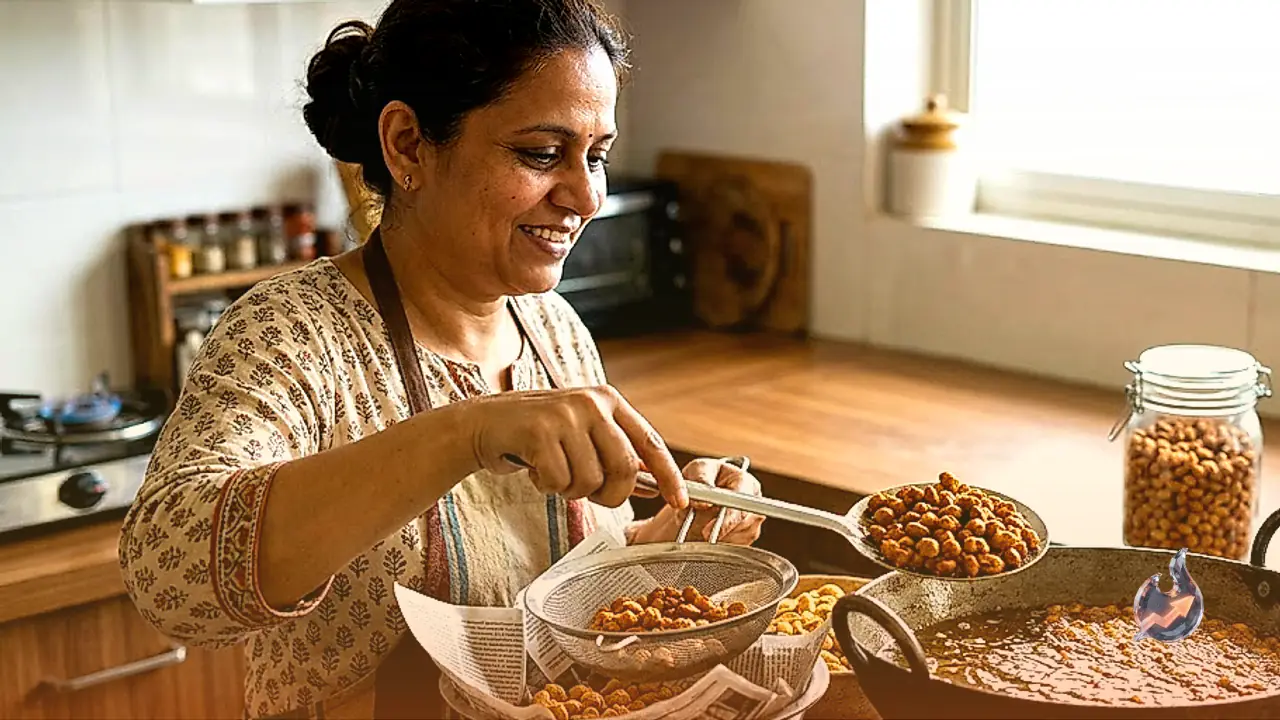
The preparation process begins with pure clarified butter, commonly known as ghee. Heat an adequate quantity of pure ghee in a heavy-bottomed pan over medium flame. Add the ragi flour into the warm ghee and roast it continuously until it turns golden brown and releases an aromatic fragrance. It is essential to note that no cooking oil should be used at any point during the roasting process. Pure ghee ensures proper browning, enhances the deep nutty flavor of the grain, and gives the laddus their signature rich texture.
Replacing Sugar with Natural Sweeteners and Customizing Dry Fruits
To keep these laddus completely healthy and sugar-free, refined sugar is entirely excluded from the recipe. Instead, natural jaggery or dates are incorporated to provide wholesome sweetness. The quantity of jaggery or dates can be adjusted based on personal preference and individual dietary needs. Next, select dry fruits of choice, lightly fry them in pure ghee, and prepare them according to the target age group. For elderly family members, the roasted dry fruits should be finely powdered before mixing into the flour to facilitate easy consumption. For younger family members, finely chopped dry fruits should be added to impart a delightful crunchy texture to every bite.
An Economical Homemade Gift with Extended Shelf Life
Once all ingredients, including roasted dry fruits, ragi flour, and jaggery or dates, are thoroughly combined with ghee, shape the mixture into neat, compact laddus. These calcium-dense treats are not only delicious but also boast an impressive shelf life, remaining fresh for up to a full month when stored properly. Costing just 400 rupees for a generous 1-kilogram yield, this adulteration-free, nutritious sweet serves as a thoughtful and budget-friendly Rakshabandhan gift for brothers.