




















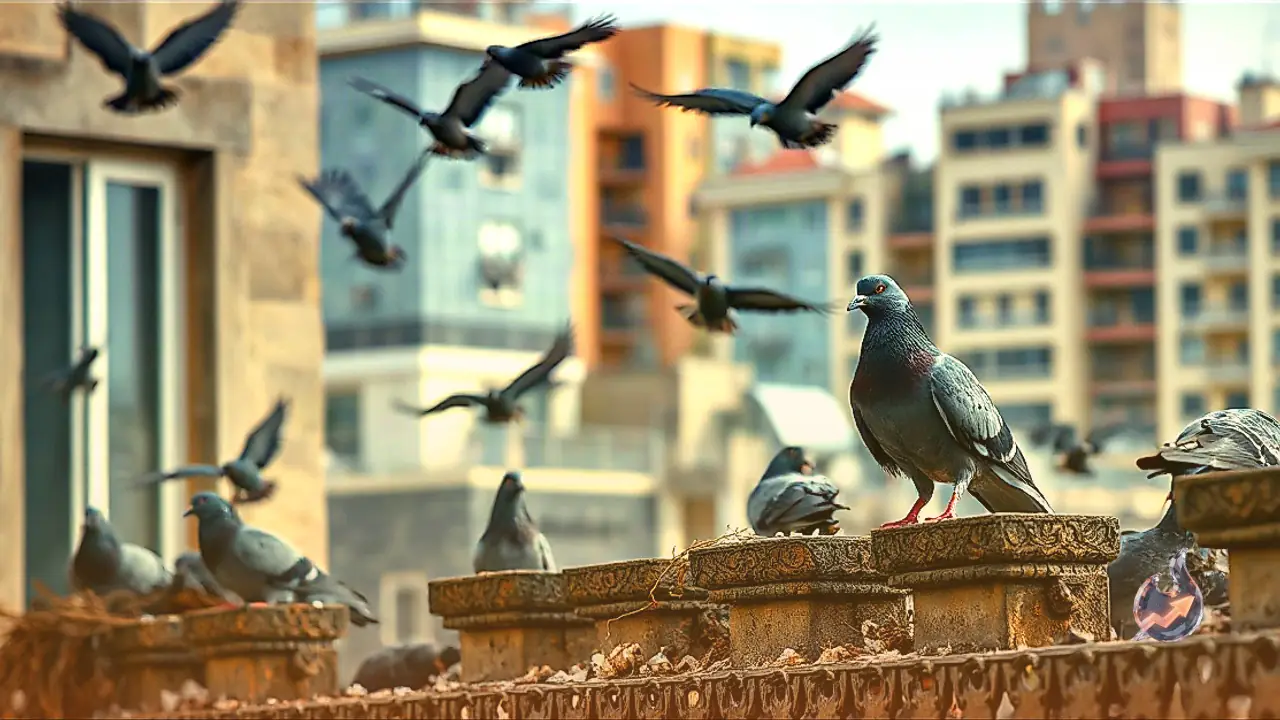

Across modern apartment buildings, pigeons gathering around open windows, ledges, and balcony enclosures has turned into a frequent domestic nuisance. Waking up to persistent cooing, finding scattered feathers across every corner, and dealing with layers of dried droppings creates a frustrating chore for many homeowners. Once these birds mark an open space as a secure retreat, they routinely return and gradually start building nesting structures. Resolving this issue does not require harming or injuring the creatures. By adopting structured preventive habits and humane deterrents, anyone can make a balcony far less welcoming for roosting birds.
Eliminate Open Food Sources and Scattered Grain
One of the primary drivers behind frequent pigeon visits is easy access to edible scraps. Leaving bird food exposed or failing to notice breakfast crumbs on the floor signals to visiting flocks that the area offers a secure supply of nourishment. Once that association forms, birds treat the balcony as an ideal foraging outpost. Breaking this cycle requires keeping all food items tightly stored indoors and never leaving bird grain out in the open. Any fallen food particles or seeds on the floor tiles should be cleaned up right away, removing the core attraction that invites them back.
Install Sturdy Netting to Block Entry Points
For balconies where pigeons repeatedly fly in and out, setting up high-grade bird netting serves as an effective barrier. Netting seals off access to the enclosure, physically barring birds from landing on ledges, entering interior corners, or attempting to gather twigs for nests. When planning the installation, ensure the mesh is fitted snugly and designed properly so that no bird gets tangled, trapped, or harmed while trying to approach the openings.
Reduce Available Roosting and Perching Spots
Balcony railings, exterior air conditioning units, and upper wall ledges are favored resting positions for visiting flocks. When birds regularly perch on these specific ledges, adjusting the surfaces makes staying there uncomfortable. Installing commercially available bird spikes or non-injurious perching deterrents alters the flat surface without inflicting cuts or wounds. The clear objective is simply making it impossible for birds to find stable footing on those elevated edges.
Handle Early Nests Responsibly and Watch for Chicks
Whenever birds begin accumulating twigs in a corner, clearing the immediate debris and setting up barriers stops the structure from taking hold. However, if eggs have already been laid or young hatchlings are resting inside the nest, do not rush to discard or move it independently. In such circumstances, seeking guidance from local wildlife rescue services or bird rehabilitation groups ensures that the fledglings receive humane and lawful care.
Follow Safe Hygiene Practices During Cleanup
Accumulated feathers and dried droppings compromise the neatness of outdoor living spaces and create sanitation concerns if handled carelessly. Rather than dry sweeping the droppings, which disperses microscopic dust particles into the circulating air, dampen the surface slightly before wiping or scraping it away. Always wear protective gloves throughout the sanitisation process, and thoroughly wash your hands with soap and water once the cleaning is finished.
Avoid Harmful Chemicals and Ineffective Scares
Under no circumstances should harsh chemical sprays, toxic baits, or harmful traps be deployed against visiting birds. Similarly, loud alarms or startling gadgets offer only short-lived deterrence, as pigeons quickly grow accustomed to empty noise. The most reliable, lasting remedy remains removing food, restricting water, and eliminating secure resting surfaces through consistent maintenance and safe physical barriers.