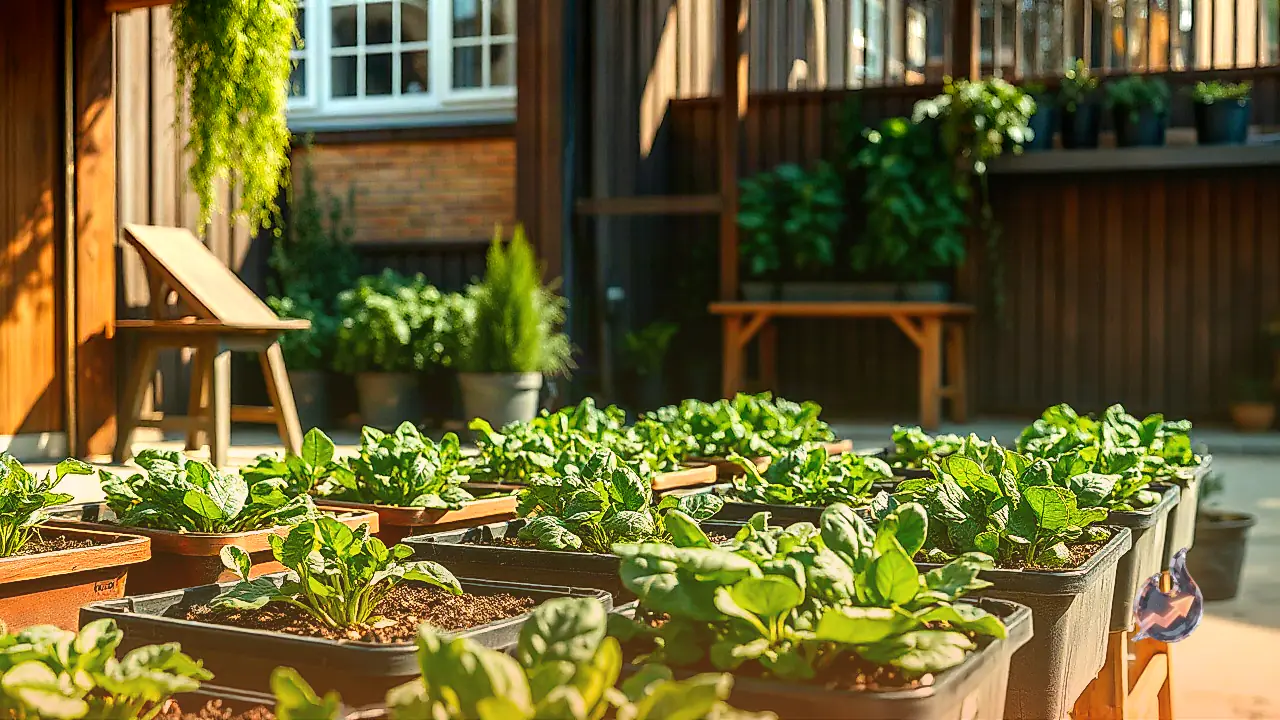





















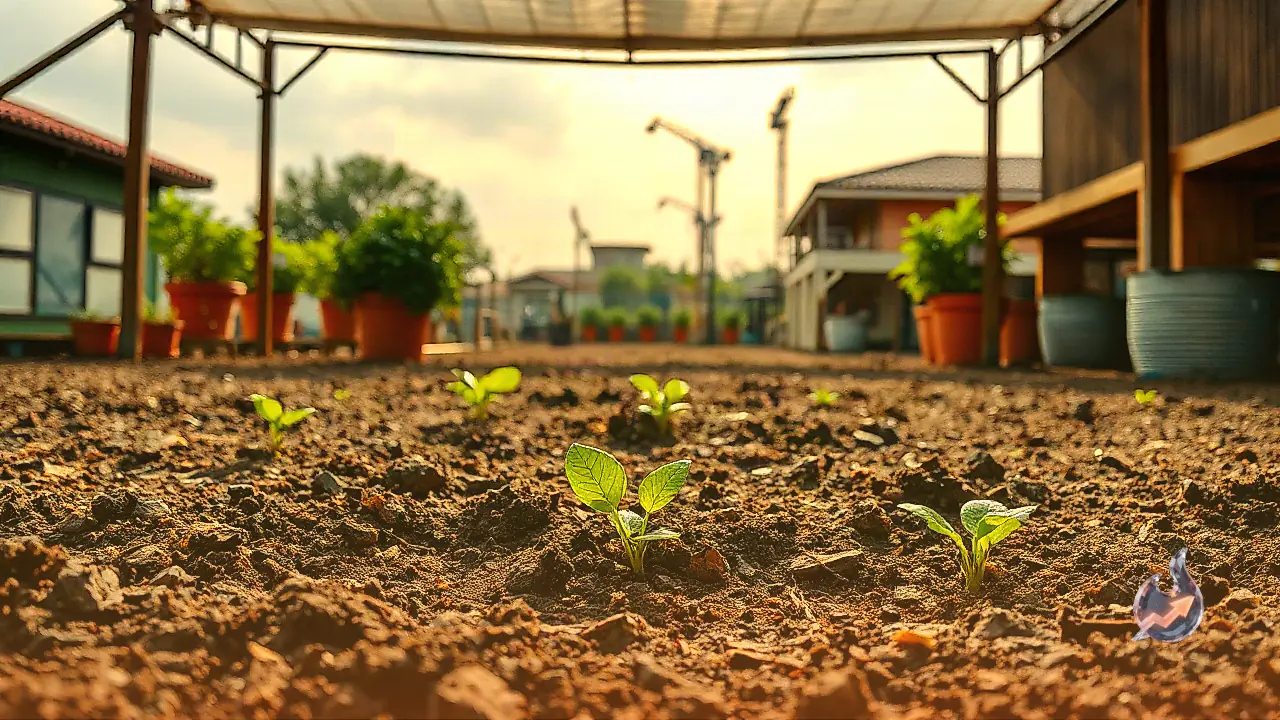

When container plants suddenly stall in their growth, or when water pools on the top layer instead of sinking in quickly, the underlying problem is usually compacted potting soil. Soil becomes compressed over time through continuous watering and settling, turning rock-hard and eliminating the tiny pore spaces necessary for airflow and moisture movement. Without oxygen reaching the root zone and with water unable to penetrate deep into the container, plants struggle to thrive and may eventually weaken. Fortunately, gardeners can easily reverse this condition and restore hard soil into a light, porous, and nutrient-dense growing medium using a few straightforward practices.
Enrich the Texture with Vermicompost
Well-cured vermicompost provides an ideal organic solution for revitalizing dense, hardened container soil. To apply it effectively, carefully loosen the topmost layer of the container soil using a hand tool, and then incorporate a modest amount of vermicompost evenly into the mix. This introduction of organic matter fundamentally alters the soil architecture, promoting a crumbly texture and enhancing microbial activity. It is important to avoid dumping excessive amounts of compost into the pot at once, as moderate, measured additions yield the best structural improvements without overwhelming the root system.
Improve Lightness and Moisture Retention Using Cocopeat
For soil mixtures that repeatedly turn stiff and crusty after drying, blending in processed cocopeat offers reliable relief. Sourced from coconut husks, cocopeat works by opening up dense soil particles, keeping the medium aerated and spongy while simultaneously holding onto the right balance of hydration. It should be blended uniformly with the potting soil. However, rather than potting plants entirely in pure cocopeat, incorporating it as an amendment alongside regular soil and organic fertilizers produces a far more stable and resilient growing environment.
Add Coarse Sand to Rectify Drainage in Heavy Soils
Heavy, sticky, or clay-dominant potting mediums benefit substantially from the addition of a measured quantity of clean coarse sand. The larger granular particles create structural channels within dense soil, facilitating smooth drainage and keeping water from stagnating around the roots. Gardeners must strictly avoid fine or powdery builder sand, as ultrafine particles fill in existing voids and cause the mixture to pack down into an even denser, cement-like consistency. Only clean, coarse-grained sand should be chosen to maintain loose aeration.
Perform Gentle Surface Aeration with Hand Tools
Maintaining a soft soil structure does not always call for fresh fertilizer additions. Routine manual aeration using a small hand trowel or gardening fork is equally vital. Gardeners should gently scratch and loosen the top 1 to 2 inches of the potting soil at regular intervals. This simple technique breaks up the hardened surface crust that forms after repetitive watering cycles, instantly reopening channels for fresh air circulation down toward the root zone. Care should always be taken not to dig too deep, preventing any accidental cuts or abrasions to the primary root ball.
Apply Well-Rotted Manure and Ensure Drainage
Integrating fully matured compost or leaf mold significantly expands the organic content of container soil over the long term. As it breaks down, it creates a hospitable, crumbly soil condition that delivers a slow, sustained supply of essential plant nutrients. The manure or leaf mold used must always be completely aged and composted rather than fresh. Finally, proper water management plays a decisive role in preventing compaction. Gardeners must confirm that drainage holes beneath the pot remain unobstructed, as lingering water causes soil particles to settle and bind together tightly. Water should always be applied according to each plant's specific moisture requirements.