






















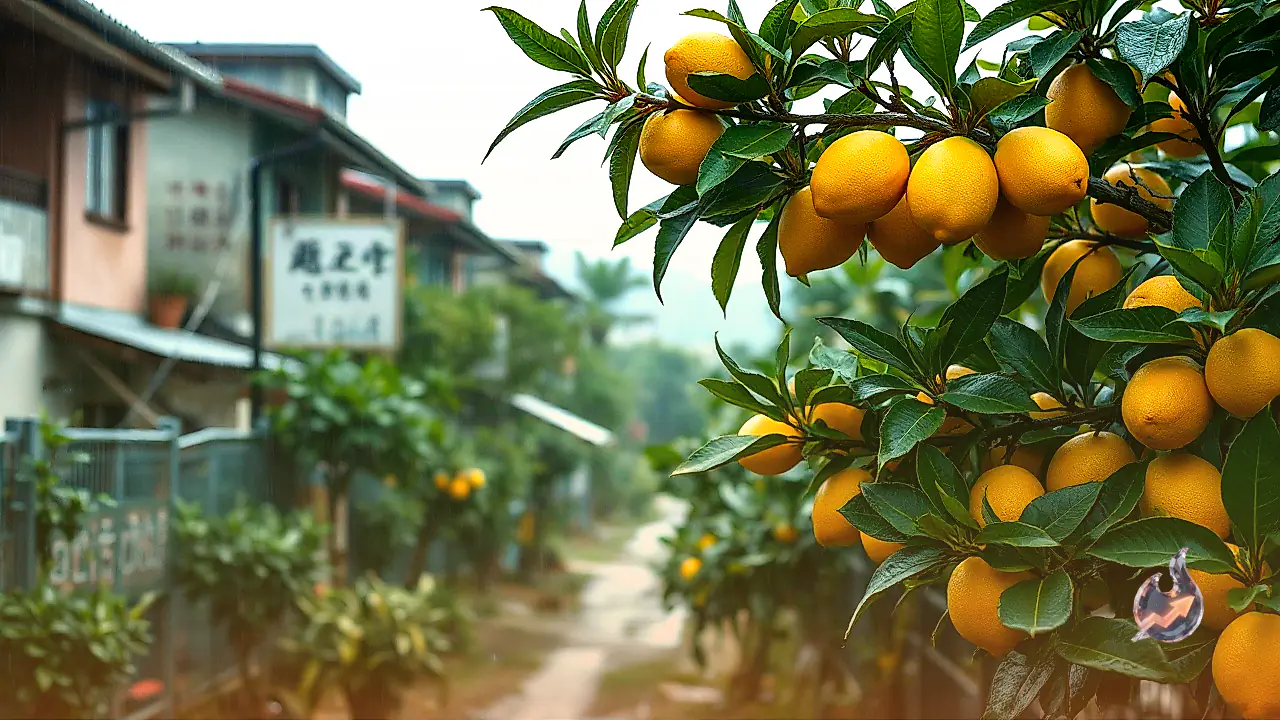

Caring for lemon plants immediately after the monsoon season is crucial to prevent long-term damage and secure a healthy crop. Standing water around the root zone poses the most immediate risk following heavy showers. Prolonged waterlogging deprives the soil of air and inevitably leads to root rot, causing the plant to weaken rapidly. The very first task after the rains cease is to remove all accumulated surface water. Allow the soil around the central trunk to dry out slightly so that essential aeration can reach the underground roots.
Pruning Diseased Branches to Channel Vital Energy
The excessive moisture levels of the rainy season often cause smaller branches to rot or wither away completely. District Horticulture Officer Dr Punit Kumar Pathak points out that dampness damages several twigs on the plant, which should be promptly pruned away using sharp shears or cutters. Removing these dry and diseased sections prevents the tree from expending valuable energy on non-productive growth. Furthermore, opening up the dense canopy allows direct sunlight and fresh air to penetrate, encouraging a rapid surge of new green leaves.
Applying Bordeaux Paste to Defend Trunk Against Fungal Attack
Fresh pruning cuts leave the plant vulnerable to fungal pathogens present in the atmosphere. To eliminate this vulnerability, a thick coating of Bordeaux paste should be applied thoroughly onto the main trunk. This treatment forms a protective barrier against various infectious plant diseases. Keeping the trunk healthy guarantees that water and essential nutrients flow seamlessly from the roots to the upper canopy without metabolic disruption.
Soil Disinfection Using Copper Oxychloride
Fungi lurking beneath the soil surface must also be eliminated before roots sustain invisible decay. A soil application of copper oxychloride serves as an indispensable measure. Mixing this powder in water and pouring the suspension generously around the root zone eradicates harmful soil-borne bacteria and fungal colonies. With the root system thoroughly shielded from disease, the lemon plant can efficiently draw water and key minerals from the earth.
Replenishing Nutrients with Well-Rotted Manure and Vermicompost
To restore vigor after the monsoon, the soil requires a generous dressing of thoroughly decomposed farmyard cow dung manure. This natural fertilizer improves soil structure, enhances moisture retention, and provides a continuous supply of vital nitrogen to build sturdy vegetative growth. If well-rotted cow dung manure is unavailable, vermicompost serves as an outstanding alternative. Earthworm-produced compost is packed with critical micronutrients that replenish worn-out soil. It should be worked into the soil a short distance away from the trunk, followed by a gentle watering to keep the plant vigorous.
Strengthening Immunity and Fruit Quality with Seaweed Extract
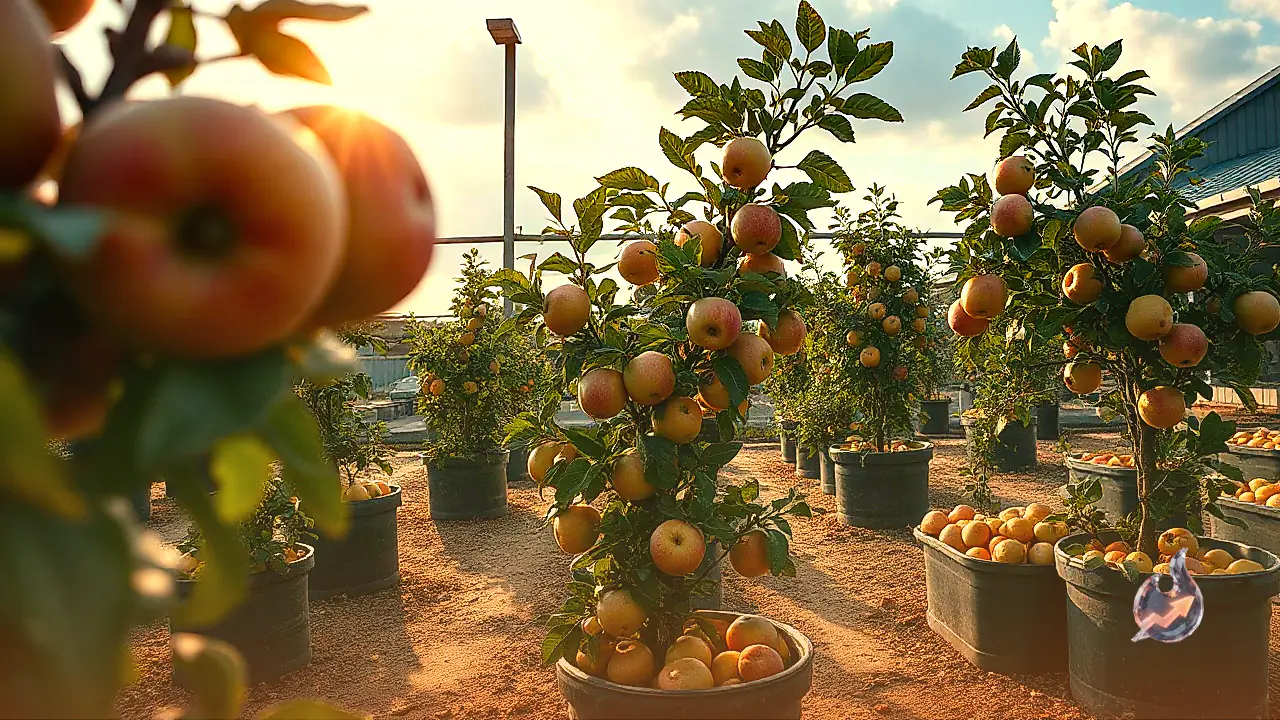
Complementing regular compost with a dose of seaweed extract functions as an exceptional organic tonic for the tree. Derived from marine algae, this bio-fertilizer fortifies the plant's overall immune system and cushions it against environmental stress. It stimulates extensive feeder root proliferation, triggers the rapid sprouting of fresh shoots, and substantially reduces flower drop. When supplied with these targeted post-rain nutrients, lemon trees respond with larger, juicier fruit and an abundant harvest throughout the fruiting cycle.