





















Growing basil at home is a rewarding experience for anyone who loves fresh herbs, but many gardeners quickly encounter a common frustration: the plant grows tall and leggy, yet produces very few leaves and minimal branches. Instead of forming a rounded, lush shape, the central stem simply shoots straight upward while the base looks bare and sparse. This issue usually stems from improper trimming and basic growing mistakes rather than a weak plant. By understanding the plant's natural growth pattern and applying a few straightforward gardening practices, you can redirect its energy to produce abundant new shoots and dense foliage.
Balance Sun Exposure to Prevent Thin and Weak Stems
Basil requires a generous amount of natural light to develop robust stems and flavorful leaves. When a pot is placed in a dimly lit corner or an area with heavy shade, the plant stretches upward desperately searching for light. This stretching causes weak, fragile stems and wide gaps between leaf nodes, preventing the herb from ever becoming compact or dense.
Position your container where it can receive several hours of direct daylight. The gentle, cool morning sunlight is ideal for basil, as it fuels vigorous photosynthesis without stressing the plant. During peak summer, however, protect the container from intense, scorching afternoon rays. Prolonged exposure to extreme midday heat can scorch delicate leaf edges and stunt overall branch development.
Master the Technique of Pinching for Bushier Growth
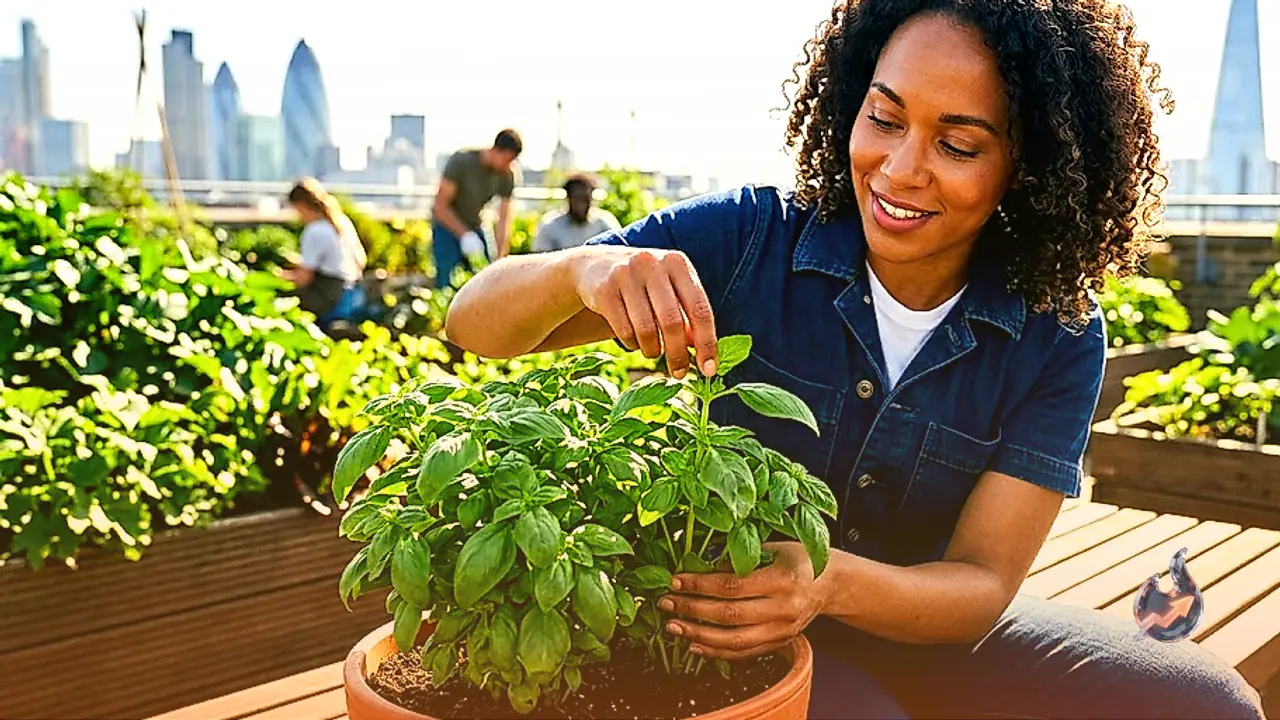
If your basil is growing only straight up and looks sparse near the soil line, regular pinching is the most effective solution. Pinching involves using your fingertips or clean shears to gently nip off the tender top set of leaves and the growing tip of a stem. Removing this terminal point breaks apical dominance, signaling the plant to distribute its growth hormones downward to dormant buds.
Within days of pinching, two fresh lateral branches will begin to sprout from the leaf nodes just below the cut. As these new branches grow, you can pinch their tips as well, multiplying the number of stems and creating a wide, rounded canopy. Take care not to hack off large portions of the plant all at once; only remove the soft, fresh growth right at the top.
Remove Emerging Flower Buds to Preserve Foliage Quality
As basil plants mature, they naturally shift toward reproduction by producing small flower spikes at the ends of their stems. If your primary goal is to harvest aromatic leaves for cooking, you should snip off these flower buds the moment they appear.
Allowing the plant to bloom redirects almost all of its vital energy into seed production, which drastically halts the generation of new leaves and side shoots. Furthermore, flowering often causes existing leaves to turn tough, bitter, and less flavorful. By promptly pinching off any emerging blooms, you force the herb to keep its resources concentrated entirely on lush vegetative growth.
Soil Care and Moderate Organic Fertilization
Potted herbs depend entirely on the limited nutrients available within their container. When basil remains in the same pot for months, the potting mix gradually compacts and loses its fertility. Periodically loosening the top layer of soil helps aerate the root zone, improving oxygen circulation and nutrient absorption.
After gently tilling the topsoil, mix in a modest portion of vermicompost or well-aged organic manure to replenish spent minerals. It is essential to exercise restraint when applying fertilizer; excessive feeding can burn delicate feeder roots, stimulate weak growth, or damage the herb. A light, measured dose provides steady nourishment without shocking the plant.
Watering Discipline and Ensuring Free Drainage
While basil needs consistent moisture, waterlogged conditions are catastrophic for its root system. Constant standing water deprives roots of oxygen, triggering root rot that rapidly leads to yellowing foliage, wilting, and plant collapse.
Before reaching for the watering can, always press your finger into the upper layer of soil to check its moisture level. Water thoroughly only when the surface feels dry to the touch. Ensure that your pot has functional drainage holes at the base so that any excess water drains away freely instead of pooling at the bottom.
Propagate New Plants from Healthy Stem Cuttings
You can also expand your collection and create denser arrangements by taking stem cuttings from your existing plant. Select a robust, pest-free stem with healthy green foliage. Cut a section just below a leaf node where root-initiating hormones are most concentrated.
Place the base of this cutting into a glass of clean water, ensuring no leaves are submerged. Within a short period, healthy white roots will begin to emerge along the stem. Once these roots are established, transplant the cutting into a pot filled with well-draining soil and organic compost. Combining stem propagation with regular pinching, sensible watering, and the removal of yellowed foliage ensures your indoor or outdoor garden stays packed with fragrant, bushy basil throughout the season.