




















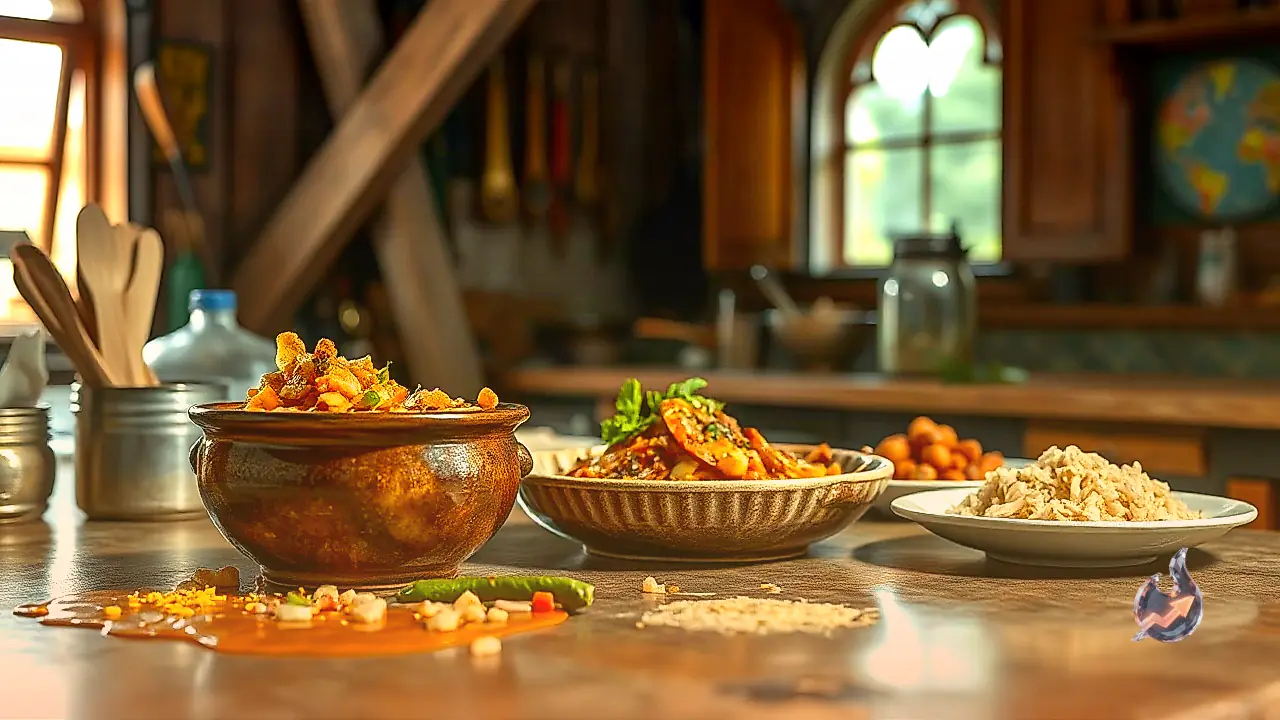

In Indian cuisine, the soul of almost every marquee dish resides directly in its gravy. Whether crafting shahi paneer, slow-cooked dal makhani, kofta curry, or chicken gravy, the final impression on the palate depends entirely on the base consistency and aroma. Home cooks often measure every spice accurately yet wonder why their curry lacks the velvety punch and depth found in professional dining rooms. Achieving that signature texture and fragrance does not demand exotic ingredients; rather, it hinges on timing, temperature control, and proven culinary practices.
Slow-Roasting Onions to Deep Golden Perfection
The foundation of most traditional gravies starts with finely chopped or pureed onions. Rushing this stage over high flame leaves raw sharpness and watery edges, which completely dilutes the finished curry. Allowing onions to cook patiently on low to medium heat until they turn evenly golden brown caramelizes their natural sugars. This gentle process yields a savory foundation with subtle natural sweetness, giving the sauce authentic body and color.
Prioritizing Fresh Ginger-Garlic Paste Over Packaged Alternatives
Aromatic integrity defines great curry preparation. While shelf-stable commercial pastes offer convenience, they carry preservatives and muted aromas that flatten the culinary profile. Crushing fresh cloves of garlic alongside peeled ginger roots immediately before cooking introduces vibrant essential oils into the pan. This quick preparation elevates brightness, infusing each bite with crisp warmth and sharp fragrance.
Blooming Dry Spices in Warm Oil
Ground powders such as turmeric, coriander, and chili release their fullest aromatic compounds when bloomed briefly in fat. Dropping these dry spices into warm oil rather than blending them directly into watery purees activates their flavors instantly. Heat must remain minimal during this step because dry spices scorch within seconds, and burnt spices introduce persistent bitterness throughout the entire preparation.
Cooking Tomatoes Until the Oil Separates
Patience remains non-negotiable whenever tomatoes enter the gravy vessel. The tomato base must simmer alongside spices until oil cleanly parts from the thick masala paste. This separation serves as visual proof that raw tart acidity has mellowed away, stabilizing the tanginess and concentrating natural Umami notes into a cohesive mixture.
Imparting Creaminess With Cashew Paste, Malai, or Cream
Mughlai preparations and specialty cottage cheese curries rely on luxurious body. Introducing soaked cashew puree, whisked fresh milk cream, or traditional malai softens bold pungency while thickening the sauce naturally. The result is a glossy, silky texture that coats every piece of vegetable or meat evenly.
Reserving Garam Masala for the Final Simmer
Because garam masala is an intensely aromatic blend of pre-roasted whole spices, boiling it for extended periods destroys delicate aromatic notes. Stirring it in during the very last minutes of cooking locks its warming perfume inside the pot, giving the sauce an irresistible bouquet when served.
Crushing Kasuri Methi by Hand Before Adding
The distinctive herbal aroma typical of North Indian restaurants traces directly to dried fenugreek leaves. Gently rubbing kasuri methi between clean palms breaks down dried foliage, releasing volatile oils right as they drift over simmering sauce. This light touch adds authentic rustic nuance without clumping.
Finishing With a Touch of Pure Ghee or Butter
Right before extinguishing the flame, folding in a single teaspoon of desi ghee or dairy butter ties every element together. Beyond imparting a rich sheen to the surface, this final touch rounds off residual acidity, imparting that memorable restaurant mouthfeel to everyday home meals.