




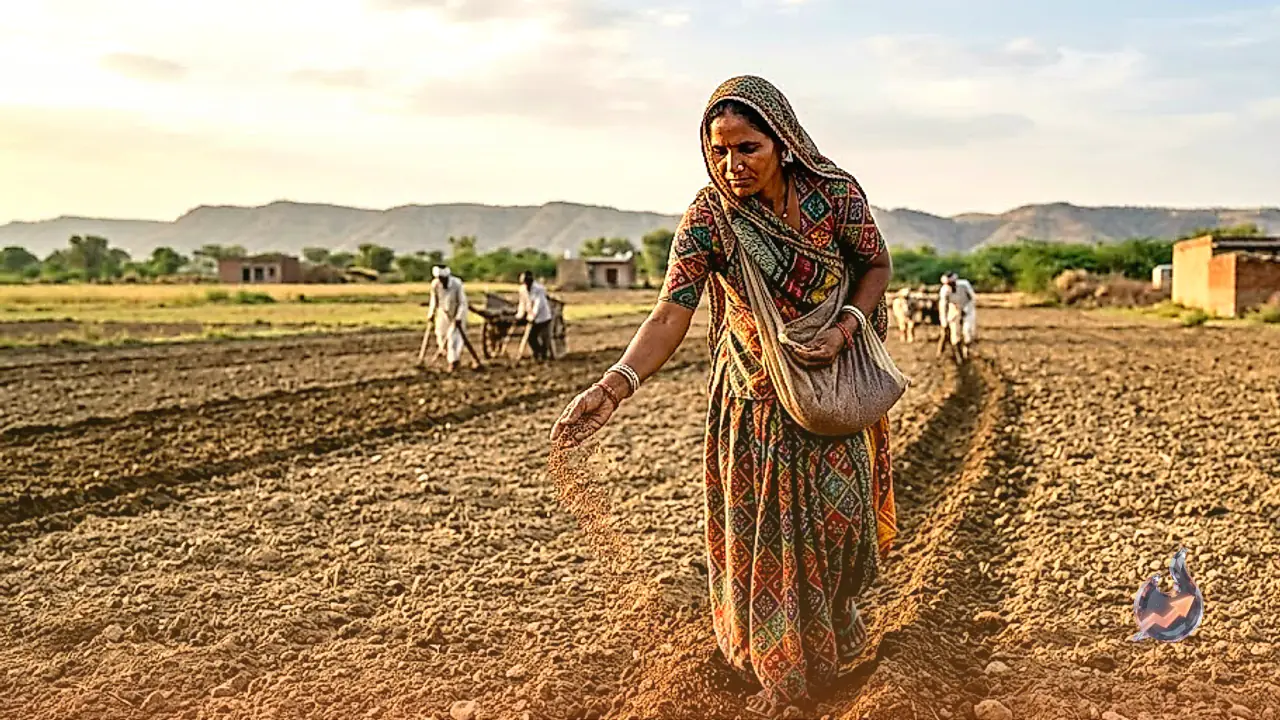

















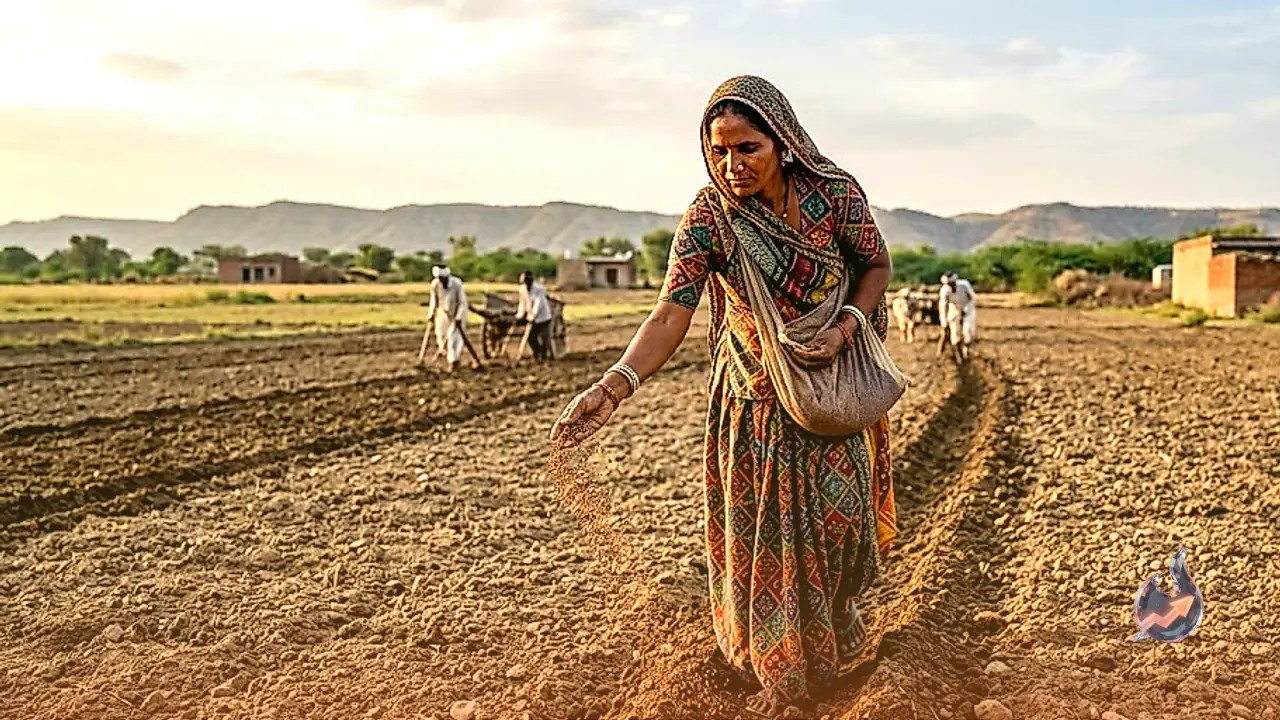

Mustard holds a prominent position among major rabi oilseed crops grown across Rajasthan. The state features diverse soil types, varying irrigation infrastructure, and distinct weather conditions across different regions. Because of this agricultural diversity, a single seed variety cannot be universally suitable for every grower. Farmers can achieve optimal results by carefully choosing seed varieties that match their local climate, soil composition, and environmental conditions.
Factors to Consider When Selecting Mustard Varieties
According to Sirohi agriculture officer Narpat Singh, a large number of farmers cultivate mustard in the district, making the selection of the correct seed variety a vital first step. The choice of variety should depend heavily on the timing of sowing, moisture levels in the field, availability of irrigation, and local weather patterns. Different seed varieties perform better for timely sown irrigated crops, whereas rain-fed or limited-irrigation fields require entirely different crop selections.
Pusa Bold and Options for Irrigated Areas
Among farming communities across the state, Pusa Bold has remained a popular choice for many years. It is a well-known bold-seeded mustard variety recommended specifically for timely sown irrigated conditions. Pusa Bold is officially listed for timely sown irrigated environments across northern Rajasthan and the northwestern districts. However, the exact yield capacity of this variety can vary depending on field conditions, weather fluctuations, and overall farm management practices. Therefore, instead of estimating production based solely on the name of the variety, growers are advised to consult local agricultural offices for proper guidance.
Characteristics of RH-749 and RH-725 Varieties
The RH-749 mustard variety is another prominent option widely utilized across Rajasthan. Agricultural experts recommend it for timely sown irrigated mustard cultivation. This specific variety has recorded large seeds, long siliqua pods, and strong yield potential. Additionally, the RH-725 variety is recognized as a strong performer in Rajasthan and is adapted to various production conditions. In regions dependent entirely on rainfall or restricted irrigation facilities, farmers should select their seed varieties based on the latest local agricultural advisories.
Importance of Giriraj and RH-30 Varieties
Giriraj, also known as DRMRIJ-31, is an important advanced mustard variety developed through research associated with ICAR in Bharatpur. This variety is recommended for timely sown crops across Rajasthan, Haryana, and Uttar Pradesh. Its key features include large seed size, high overall yield, and a favorable oil content percentage. Meanwhile, the RH-730 or traditional RH-30 variety remains a staple option utilized across Rajasthan, classified firmly under timely sown recommendations. With numerous new and improved varieties now accessible across different regional pockets of the state, growers are encouraged to explore recently successful varieties in their areas rather than relying solely on traditional options.