























The British Pound gained solid underlying support from stronger than anticipated domestic retail sales data, holding the EUR/GBP exchange rate in a largely neutral posture as traders weighed macroeconomic dynamics on both sides of the English Channel. The currency cross remained confined within its established month-long trading range, reflecting market participants balancing the evolving stances of the Bank of England and the European Central Bank. While the consumer sector showed surprising resilience, the broader monetary posture in London prevented Sterling from establishing a sustained directional breakout.
UK Retail Sales Rebound Beyond Projections
Official data published by the Office for National Statistics revealed that UK retail sales volumes expanded by 0.5% month over month during August. This outturn surpassed consensus forecasts, which had anticipated a 0.2% decline for the period, demonstrating notable resilience across consumer spending. The upside surprise offered an immediate tailwind to Sterling crosses across global currency desks.
On an annualized scale, retail sales rose by 2.4%, running higher than the 1.9% forecast anticipated by market analysts. When stripping out the volatility of transportation fuel, core retail sales increased by 0.6% on a monthly basis and advanced 2.7% when compared against the same month in the prior year. The breakdown confirmed that demand across consumer categories maintained consistent traction despite challenging economic headwinds and lingering price pressures across households.
Bank of England Maintains Benchmark Rates at 3.75%
The macroeconomic backdrop remains defined by monetary policy considerations following the Bank of England's decision to leave interest rates unchanged at 3.75%. The monetary policy committee concluded the vote with a 6-3 tally, marking the sixth consecutive meeting in which borrowing costs were kept steady at that benchmark level.
Committee members observed that there has been little evidence thus far of significant second-round effects stemming from elevated oil prices feeding into domestic prices and wage growth. Nevertheless, officials openly acknowledged that broader risks to the inflation trajectory remain titled to the upside, requiring vigilant policy tracking in upcoming deliberations.
Geopolitical Frictions and Aggressive Swaps Pricing
Bank of England Governor Andrew Bailey maintained flexibility regarding prospective rate actions, explicitly addressing regional instability. Andrew Bailey remarked, “If the conflict in the Middle East persists for an extended period, as appears to be the case, and the risk of second-round effects emerging increases, it is likely that policy may have to tighten.”
Providing institutional perspective on monetary pricing, Elias Haddad of Brown Brothers Harriman pointed out that market expectations surrounding the Bank of England remain decidedly firm. Elias Haddad highlighted that “the swaps curve continues to imply about 100bps of BoE rate hikes in the next twelve months to 4.75%.” This suggests that financial markets continue to factor in a substantial degree of future policy tightening over the year ahead.
Global Forex Landscape and Major Currency Trends
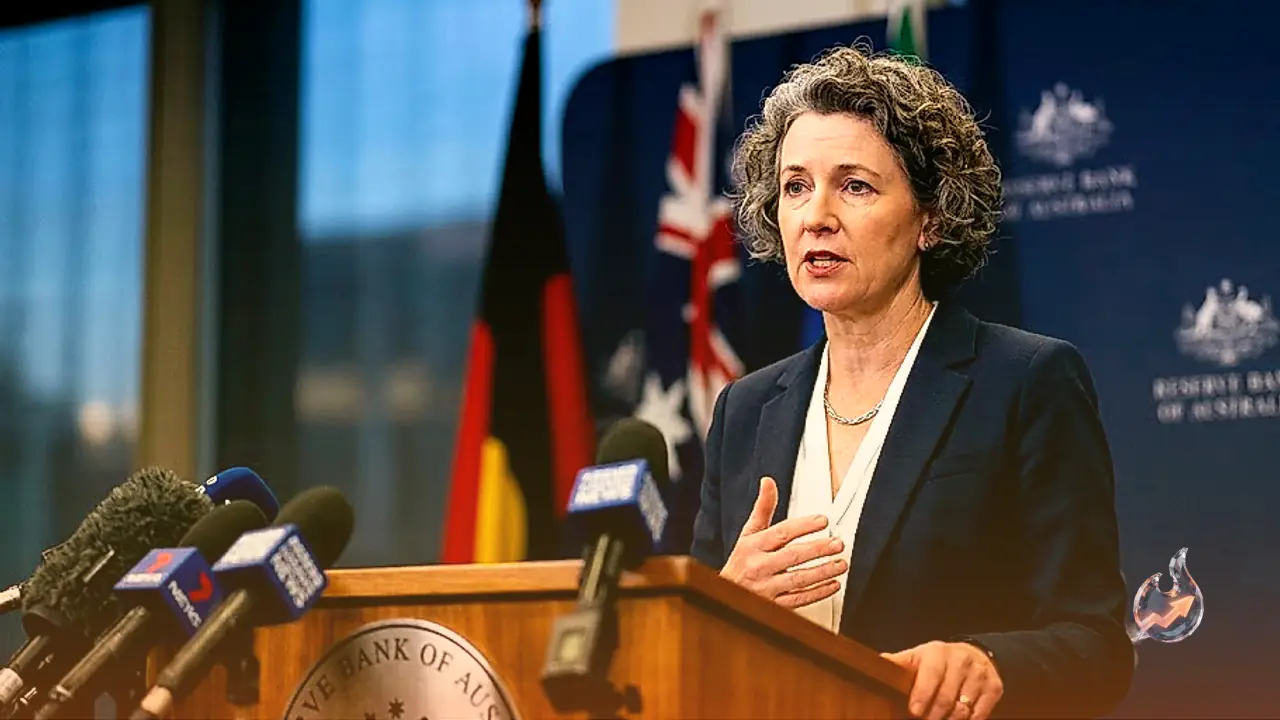
Across the wider foreign exchange space, the British Pound registered its strongest relative performance against the Japanese Yen. Meanwhile, other currency pairs exhibited notable fluctuations. The AUD/USD pair maintained a positive posture for a second straight session, trading above 0.7100 during Friday's Asian trading as softer US bond yields pressured greenback demand. Comments from Reserve Bank of Australia Governor Bullock lent support to rate hike possibilities, boosting the Aussie, though the Federal Reserve's stance and broader geopolitical concerns placed a ceiling on further upside.
Concurrently, USD/JPY advanced in Friday's European trading hours, testing the 158.00 threshold to touch a fresh two-week high. The Japanese Yen continued to weaken despite the Bank of Japan raising its short-term interest rate target from 1.00% to 1.25% via a 7-2 vote. Even with Bank of Japan Governor Ueda delivering firm commentary, two dissenting votes against the hike generated unexpected headwinds for the Yen. For over a decade, Japan's ultra-low interest rate regime had served as a primary conduit for funding global capital allocations, but the transition toward normalization signals an evolving structural backdrop for international liquidity.
Developments in Gold and Digital Assets
Beyond traditional currency pairings, gold logged upward momentum for a second consecutive day, reaching new weekly peaks in the opening half of Friday's European trading. Gold bulls appeared to be waiting for an established breakout above the $4,400 mark before committing to additional long exposure, supported by retreating US Treasury yields ahead of upcoming administrative remarks and data.
In the digital currency realm, BTC continued to navigate its recovery trajectory following a drop to a yearly trough of $57,800 in July. The asset gained roughly 33% from that base, delivering back-to-back monthly gains through July and August. Despite that rebound, Bitcoin still trades approximately 40% beneath its all-time high, prompting active discussion among traders regarding whether the rebound represents the early foundation of a fresh bull phase or merely a secondary relief advance within a prolonged bear cycle.