























Foreign exchange markets witnessed substantial upside in the greenback over recent sessions, underpinned by a tighter stance from the Federal Reserve and persistent geopolitical warfare across the Middle East. Policymakers at the United States central bank pushed their benchmark interest rate target higher into a 3.75% to 4.00% corridor. That monetary tightening move emerged as the defining spark across international trading floors, creating distinct divergence across major currency crosses and setting a bearish backdrop for European currencies struggling under regional cost pressures.
Shipping Disruptions in the Strait of Hormuz Straining Energy Supplies
Earlier investor unease concerning the inflationary fallout from trade tariffs proposed by US President Donald Trump rapidly shifted toward a broader energy shock. An initial direct confrontation between Iran and Israel quickly metastasized into a wider conflict across the Middle East, compromising navigational safety across the Strait of Hormuz. In normalized trading periods, approximately 25% of global crude and refined petroleum exports flowed through that narrow corridor, with upwards of 80% destined for Asian manufacturing hubs and consumption centers.
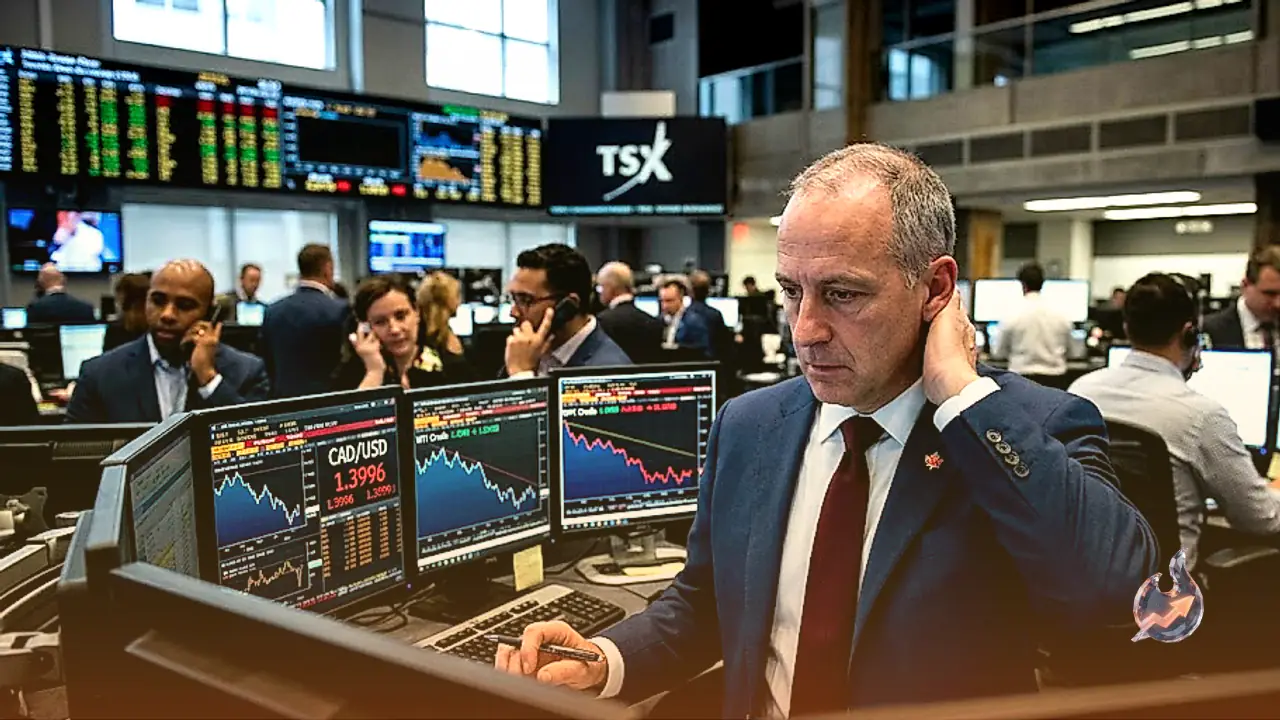
The bottleneck across the Persian Gulf prompted steep price increases across global petroleum markets as supply expectations tightened. With the conflict showing signs of geographic enlargement rather than rapid diplomatic de-escalation, trading desks moved swiftly to price in structurally elevated energy costs alongside sustained interest-rate tightening from major central banks. In parallel commodity trade, Crude Oil (CL=F) stood at $100.30 per barrel, slipping 1.58% against its preceding $101.91 close while retaining a broad 52-week trading span between $54.98 and $119.48. Current technical indicators reveal a 14-period RSI of 64, with the 20-day EMA at $94.81, 50-day EMA at $89.11, and 200-day EMA at $79.29, confirming an established longer-term upward trend supported by a positive moving average cross.
Policy Shifts Under Kevin Warsh and the White House Dynamic
Although an interest rate increase appeared fully justified on macroeconomic fundamentals, market participants harbored reservations ahead of the meeting regarding whether Chair Kevin Warsh and the policy committee would actually execute the move. Scepticism stemmed partially from Warsh stepping away from forward guidance conventions, compounded by vocal calls from President Donald Trump urging the Federal Reserve to implement rate cuts. Defying expectations of political deference, the central bank implemented the hike and signaled in the updated Summary of Economic Projections (SEP) that further adjustments upward could follow before the calendar year closes.
Chair Warsh maintained tight control over forward communication, offering no direct commitments while stressing an unwavering commitment to bringing price growth back toward the 2% goalpost. Currency desk strategists at ING observed that a modest easing in crude benchmarks helped soften the Dollar's post-meeting advance. Energy desks also held out hope that scheduled diplomatic engagements during the United Nations General Assembly between President Trump and Gulf State officials might introduce greater visibility regarding regional strategies, while broader speculation circulated that Trump was weighing decisions on whether to intensify military actions or broker an exit from hostilities.
Euro Technical Outlook Weakens Toward Multi-Week Support
With expectations intact that solid economic prints or high energy costs could justify an October hike, the US Dollar maintained an upper hand, pressing the EUR/USD exchange rate downward. The currency pair settled the weekly session beneath 1.1500, hovering uncomfortably near its recent troughs at 1.1454. Daily chart assessments display a firmly negative setup, with spot values tracking below key simple moving averages. The 100-day SMA at 1.1548, 20-day SMA at 1.1593, and 200-day SMA at 1.1629 continue to serve as descending resistance ceilings.
Weekly technical configurations similarly illustrate sustained softness. The spot price slipped below its 20-week SMA at 1.1543, even as it maintained a cushion above longer-term averages at 1.1349 (100-week) and 1.1087 (200-week). Downward momentum is confirmed by the Relative Strength Index (RSI), which dropped to 44. Immediate support resides near 1.1450, below which lies the critical 1.1350 intersection formed by the 100-week average and previous July troughs. On any rebound attempt, sellers are likely to defend 1.1543 and the 1.1600 handle, with significant trend revival requiring a sustained clearance over the 200-day benchmark at 1.1629 toward the August high of 1.1710.
Movements Across Yen, Aussie, and Gold Benchmarks
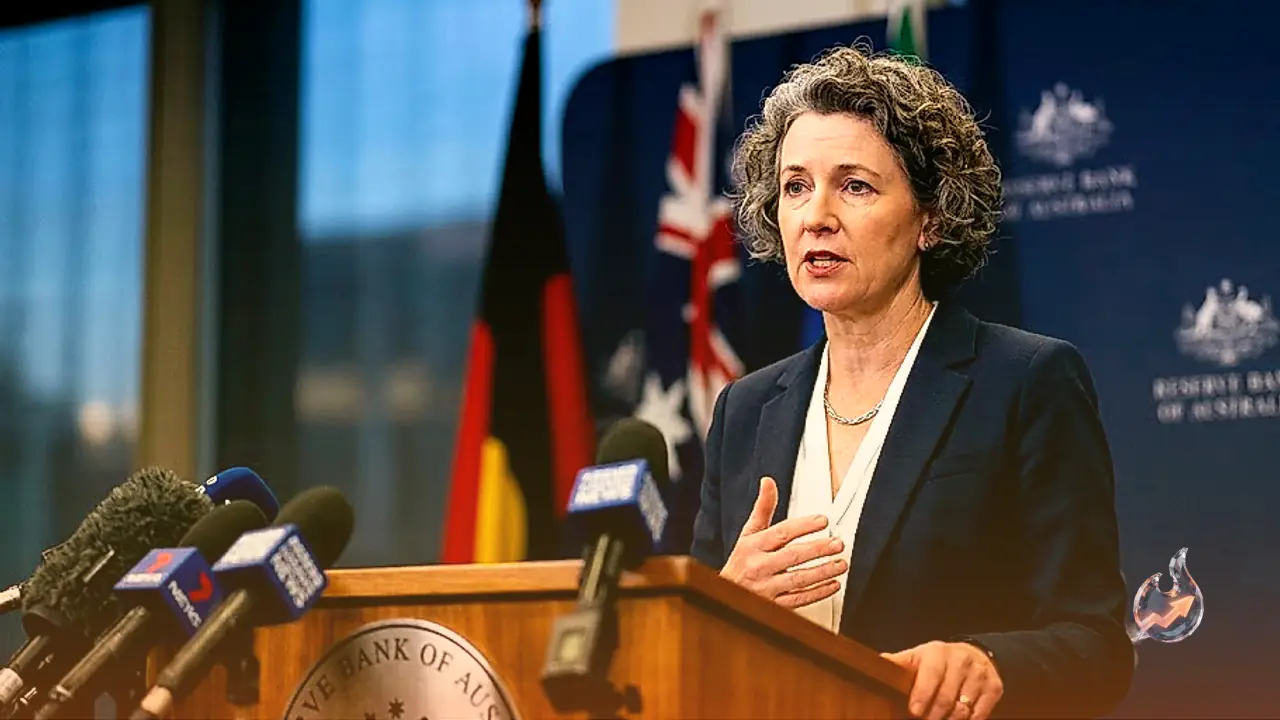
Cross-asset flows produced varied dynamics elsewhere in the currency sphere. The Australian Dollar (AUD/USD) found bids above 0.7100 during Asian trading hours, supported by subdued US Treasury yields and firm commentary from Reserve Bank of Australia Governor Michele Bullock pointing toward possible rate hikes. Conversely, USD/JPY extended its upward trajectory to touch two-week peaks approaching 158.00. The Japanese Yen struggled even after the Bank of Japan lifted its borrowing benchmark from 1.00% to 1.25%. The 7-2 vote, while aligning with majority expectations, revealed surprising dissent within the board, as Governor Kazuo Ueda declared that the monetary policy environment had entered an altered phase.
Precious metals held constructive ground despite higher Treasury yields and a resilient Dollar, with spot Gold trading near $4,370 per troy ounce. Relief originating from softening crude oil prices counterbalanced broader greenback strength, enabling bullion to attract steady haven demand amidst heightened geopolitical fragility.