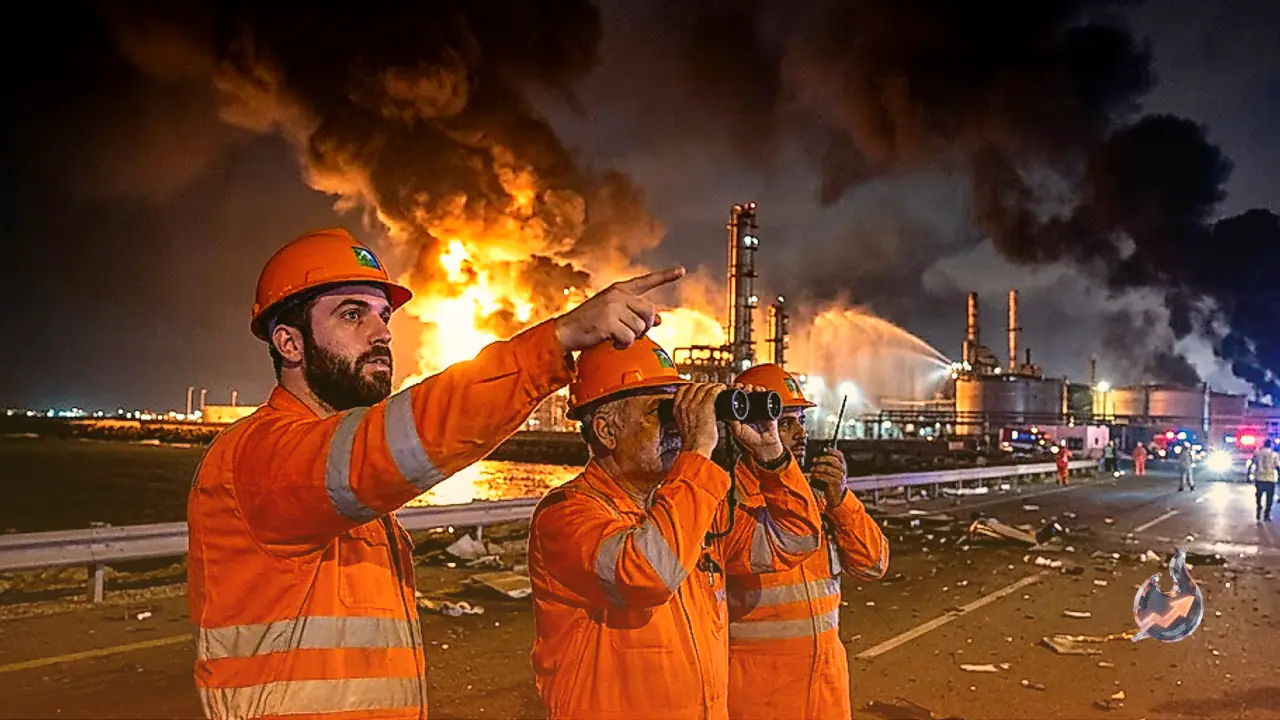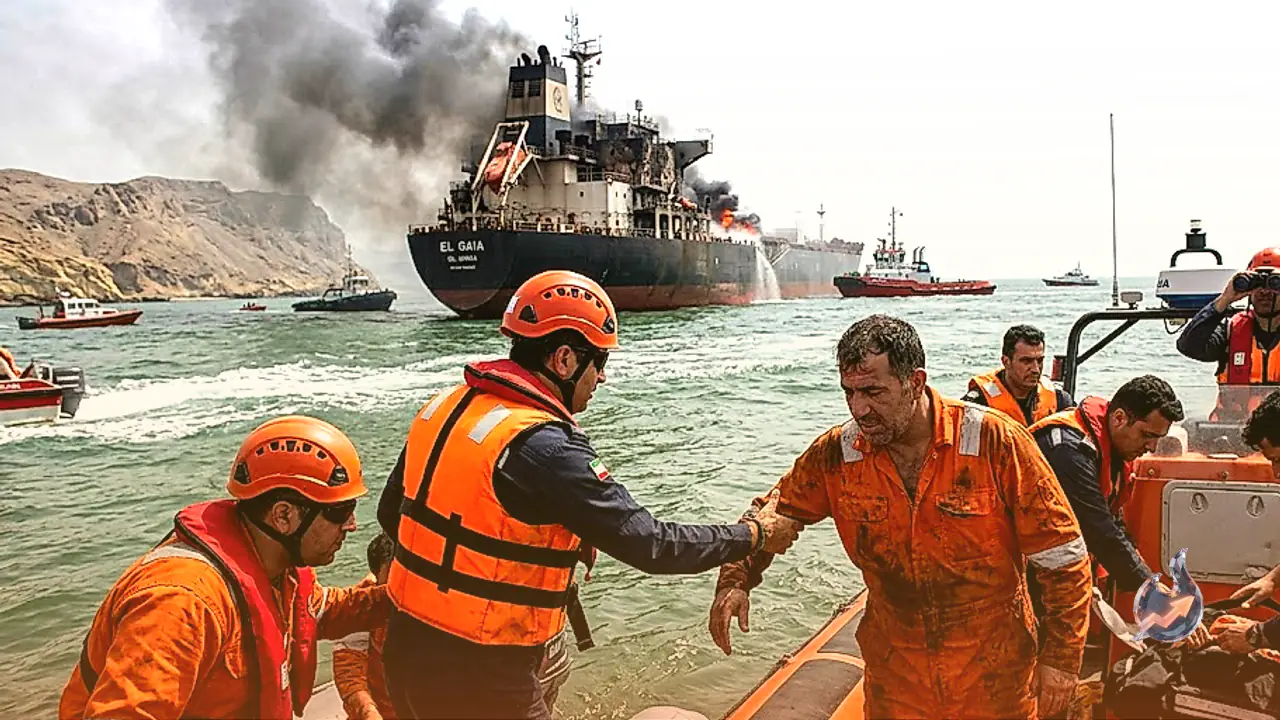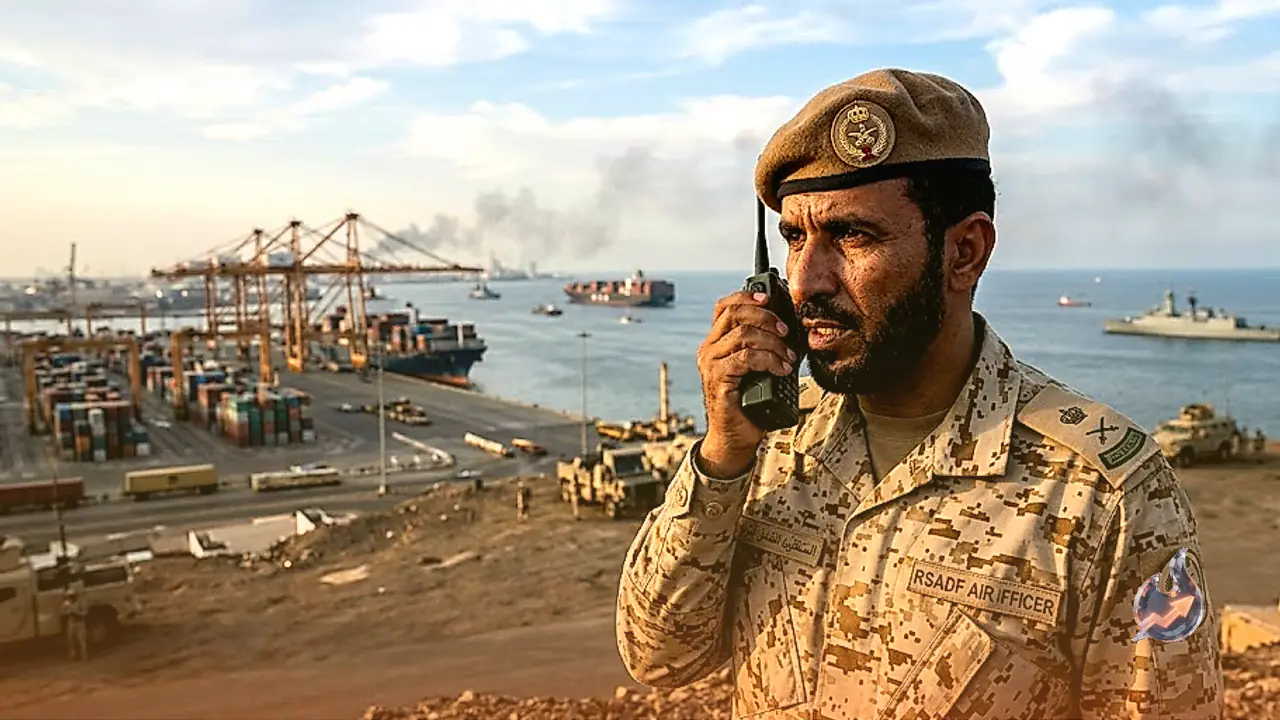
























Amid heightened military tensions between Washington and Tehran, diplomatic initiatives aimed at reopening the strategic Strait of Hormuz have gathered significant momentum. Iranian officials indicated that Oman-mediated discussions are progressing constructively to restore maritime navigation through the crucial waterway. Concurrently, senior American officials confirmed ongoing consultations, raising expectations for a potential diplomatic breakthrough that could reactivate commercial shipping lanes in the coming days.
Diplomatic Negotiations and Maritime Rerouting
Regional mediation has intensified with Qatar playing a central role in facilitating dialogue. Qatar's Amir, Sheikh Tamim bin Hamad Al Thani, held direct discussions with US President Donald Trump to explore peaceful resolutions to the crisis. Officials in Doha emphasized that mediators are actively collaborating with all involved entities to secure a diplomatic compromise. Supporting this trajectory, US Secretary of State Marco Rubio acknowledged active deliberations regarding the waterway. Furthermore, US Treasury Secretary Scott Bessent suggested a formal understanding might materialize within twenty-four to forty-eight hours. Simultaneously, the US military disclosed that under its containment operations against Iran, naval forces have altered the courses of 45 commercial vessels since mid-July.
Controversy Surrounding Precision Missile Inventories
The prolonged military confrontation has sparked intense debate regarding the status of American munitions arsenals. Specific claims surfaced alleging that extensive operational deployments against Iranian targets severely depleted Washington's inventory of long-range precision-guided munitions. These assertions suggested near-total exhaustion of critical assets, including the Army Tactical Missile System (ATACMS) and specialized Precision Strike Missiles. Such evaluations raised broader questions about sustained military readiness and strategic operational capacity during extended engagements.
Pentagon Rejection and Operational Assurance
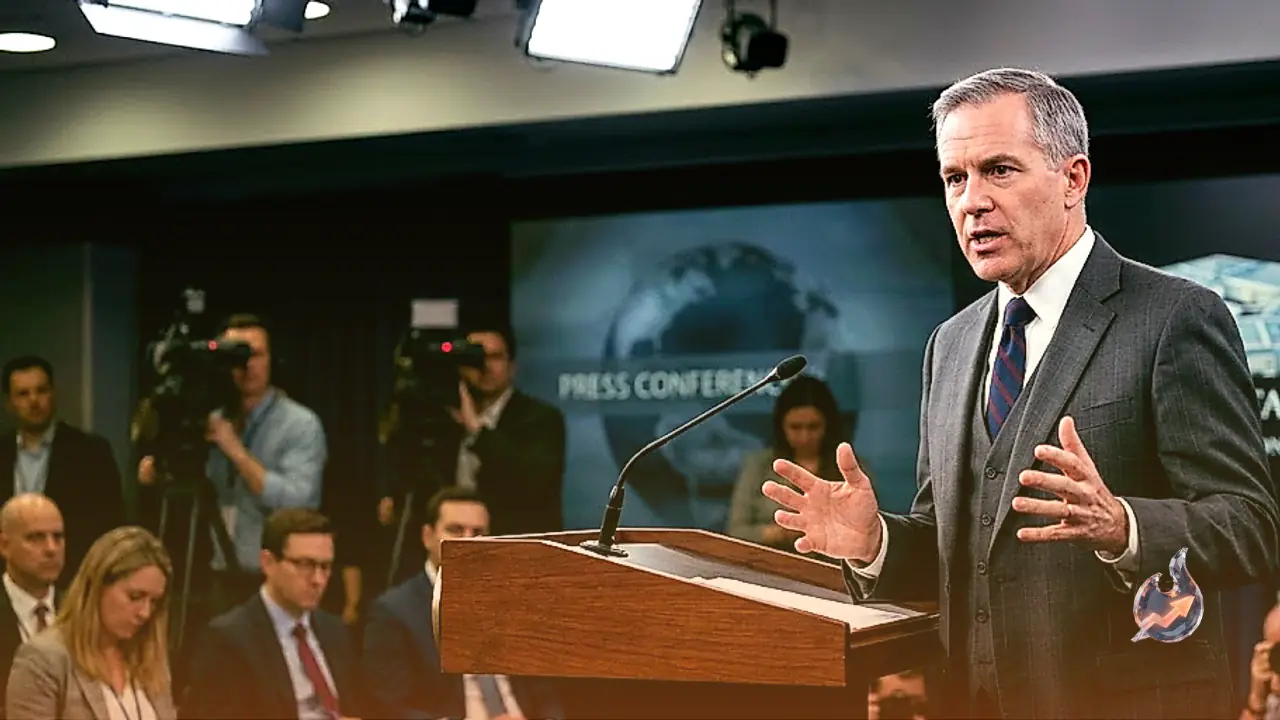
The Pentagon firmly disputed all assertions regarding depleted weapons stockpiles. Chief Pentagon Spokesperson Sean Parnell clarified that the US armed forces remain the most capable global military power, fully equipped with necessary resources to execute operations at any time and location chosen by the President. This official rebuttal reinforces prior statements by US Defense Secretary Pete Hegseth, who similarly dismissed concerns over ammunition supply shortages. Military leadership emphasized that national defense capabilities remain robust and fully prepared for any strategic contingency.