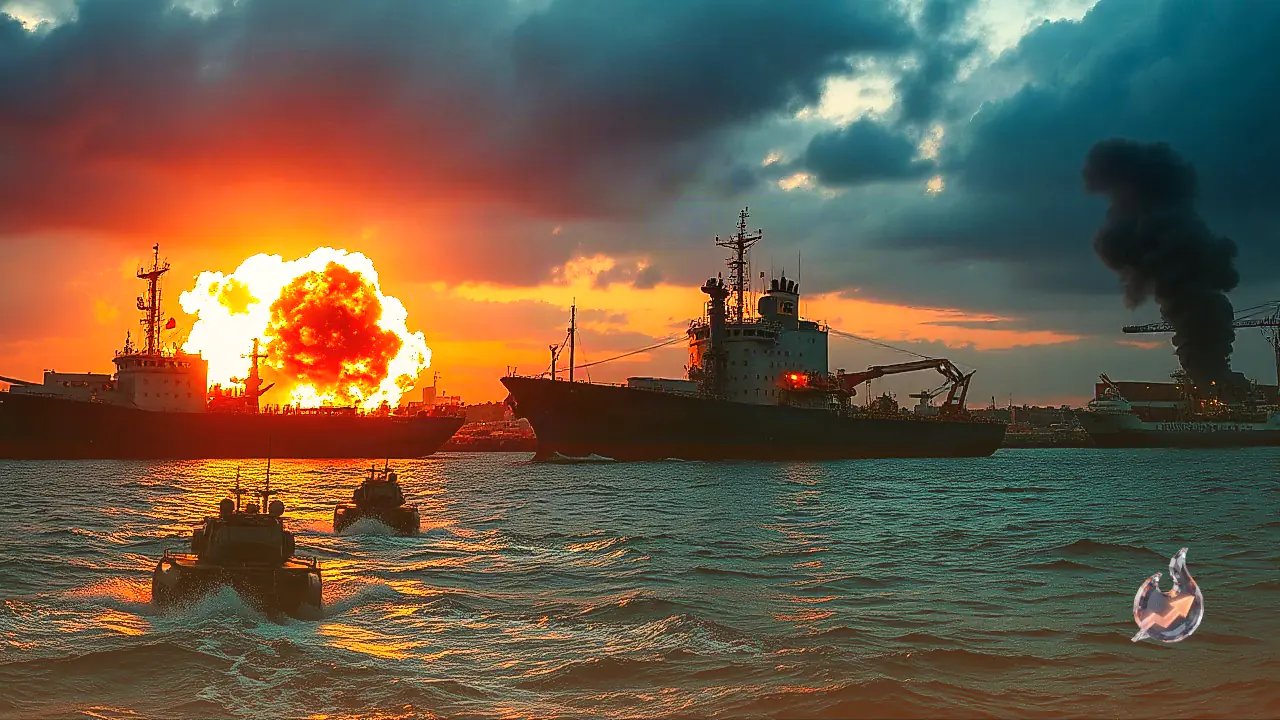























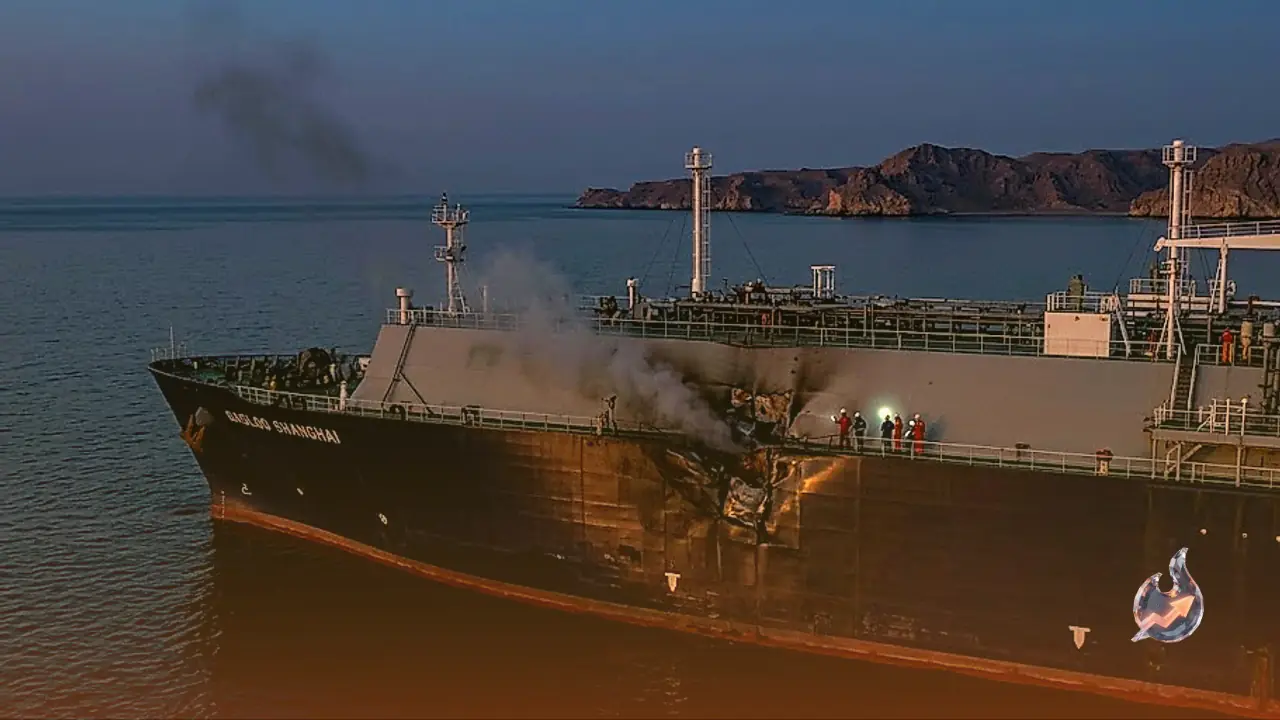

An unidentified projectile has struck a liquefied natural gas (LNG) tanker carrying fuel from Qatar while navigating the Strait of Hormuz near the coast of Oman, intensifying worries over global energy supply security amid heightened military tensions between the United States and Iran. The onboard strike caused a total loss of power on the vessel, though emergency crews successfully extinguished the resulting fire and no crew members sustained injuries.
Incident Details and Immediate Condition of Gaslog Shanghai
Maritime security firm Vanguard Tech and shipping giant Maersk identified the targeted vessel as the Gaslog Shanghai LNG tanker. UK Maritime Trade Operations (UKMTO) issued a maritime alert describing a night incident near Oman within the narrow strait. UKMTO confirmed that no environmental contamination or oil spill has been detected so far, yet stressed that passing commercial tankers remain in constant danger.
A spokesperson for Greece-based manager GasLog confirmed that the shipping manager verified the projectile impact, which temporarily knocked out the ship's electrical generator. Emergency protocols enabled the crew to suppress the flames rapidly, maintaining vessel stability while keeping all personnel safe.
Vessel Tracking Timelines and Signal Disruption
Ship tracking data compiled by Bloomberg and Kpler reveals that the Gaslog Shanghai loaded its LNG cargo in Qatar around July 27. Satellite tracking signals from the carrier abruptly ceased on July 31 as the vessel approached the western entrance of the Strait of Hormuz.
GasLog management noted that transmission signals ended following standard working hours. Evidence indicates the tanker was operating without active tracking signals at the precise moment it was hit. Maritime defense analysts note that disabling Automatic Identification System (AIS) transponders in conflict zones makes commercial vessel tracking exceedingly complex.
Vulnerability of Global Energy Chokepoints and Past Qatar Disruptions
The Strait of Hormuz stands as one of the world's most critical maritime corridors, handling approximately one-fifth (20 percent) of global liquefied natural gas trade. Ongoing hostilities between American and Iranian forces have turned this transit zone into a volatile battleground for merchant vessels.
This strike marks the second major disruption involving Qatari gas carriers in recent weeks. In early July, another LNG tanker originating from Qatar suffered an attack near Hormuz, forcing Qatar, the world's second largest exporter of LNG, to halt all shipments through the waterway for three full weeks. The new strike threatens to trigger fresh supply bottlenecks across international gas markets.
Wider Pattern of Maritime Strikes Across Regional Harbors
Security agencies report that maritime threats are no longer restricted to Hormuz alone. UKMTO issued a separate advisory after another merchant vessel recorded a nearby underwater explosion, though that ship escaped structural damage.
Concurrently, security firms confirmed an attack earlier this week at a northern Egyptian port in Damietta. On Wednesday, a drone targeted another GasLog vessel, the Gaslog Salem, while docked at Damietta. To date, no armed organization or government has claimed responsibility for these coordinated strikes, leaving commercial shipping fleets navigating unprecedented geopolitical risk.