



















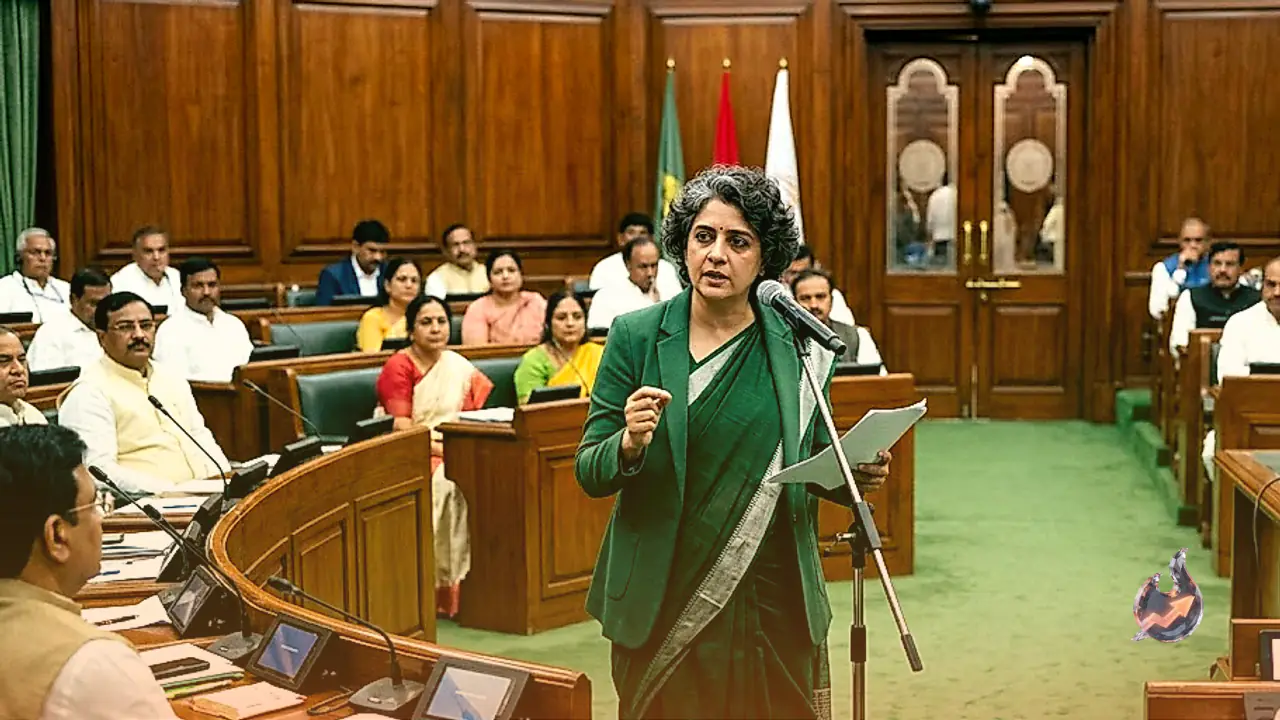

A critical issue concerning the exorbitant pricing of branded medicines and the stark price disparity among drugs with identical formulations was raised in the Rajya Sabha on Wednesday. Highlighting the plight of patients burdened by escalating healthcare expenses, Bharatiya Janata Party Member of Parliament Dr. Medha Vishram Kulkarni from Maharashtra urged the Central Government to enforce a uniform Maximum Retail Price, or 'One Nation, One MRP', for all pharmaceutical products sharing the exact same chemical composition. She stressed that when two medicines contain identical active pharmaceutical ingredients, dosage strengths, and therapeutic efficacy, there is no justification for selling them at vastly different price points under distinct corporate brand names.
Staggering Price Disparities in Essential Drugs
Addressing the House during Zero Hour, Dr. Medha Vishram Kulkarni explained how patients are routinely forced to purchase expensive branded medicines due to a widespread lack of awareness regarding cost-effective alternatives. In many instances, healthcare consumers remain completely unaware that high-priced branded drugs have equivalent generic counterparts available at a fraction of the cost. She noted that a perception is often cultivated by medical practitioners and retail pharmacists suggesting that higher-priced branded drugs possess superior quality and efficacy. This misleading narrative persists despite rigorous scientific consensus affirming that drugs with the same active ingredients deliver identical therapeutic outcomes.
To illustrate the gravity of the situation, the BJP MP presented specific market pricing data before the Rajya Sabha. She cited examples where a generic medicine costing just 25 rupees is being marketed in its branded avatar for up to 132 rupees. Similarly, Telmisartan, a widely prescribed medication for hypertension, exhibits a price range spanning from 17 rupees to as high as 222 rupees depending on the manufacturing brand. Likewise, Pantoprazole, an essential gastrointestinal medication with a baseline price of 25 rupees, is being sold by certain pharmaceutical brands for up to 150 rupees per course. Such wide price swings impose an unwarranted financial strain on millions of households across the country.
Parliamentary Committee Exposes Unchecked Profiteering
Highlighting the systemic flaws in drug pricing, Dr. Kulkarni referenced a recent report by a Parliamentary Committee that uncovered rampant profiteering within the pharmaceutical sector. The committee's findings revealed profit margins ranging from 600 percent to an extraordinary 1000 percent on several drug formulations. Under the existing regulatory framework, non-scheduled drugs operate without strict price caps, granting manufacturers absolute discretion to fix arbitrary retail prices. Furthermore, a substantial margin gap exists between wholesale procurement prices and retail shelf prices, further compounding the financial burden borne by patients.
Global WHO Standards and Pandemic Precedents
Calling for systemic reforms, the MP cited recommendations issued by the World Health Organization regarding transparent pharmaceutical pricing. The WHO advocates for mechanisms such as internal reference pricing and value-based pricing to ensure fair drug costs. Dr. Kulkarni urged India to adopt these international benchmarks and best practices to establish a transparent, equitable, and rational pricing structure within the domestic pharmaceutical market.
She also recalled previous successful interventions by the Union Government to promote affordable healthcare. Specifically during the COVID-19 pandemic, the government implemented decisive caps on drug profit margins. This regulatory action ensured that essential life-saving medications remained affordable during a public health emergency, yielding collective savings of approximately 950 crore rupees for patients across the nation.
Key Recommendations for Drug Pricing Reforms
Concluding her address, Dr. Medha Vishram Kulkarni outlined specific policy recommendations for government intervention. She demanded the immediate implementation of a standardized MRP policy for all drugs sharing identical medicinal compositions. Additionally, she called for strengthening the existing Drug Price Control Order mechanism to curb arbitrary price increases on non-scheduled drugs and eliminate excessive intermediary margins.
The MP emphasized the need to incentivize doctors and pharmacists to prescribe and dispense generic medicines, alongside expanding the countrywide distribution network for high-quality generic drugs. She urged the government to take swift and comprehensive regulatory measures to guarantee that every citizen gains access to reliable, high-quality, and affordable healthcare products.