






















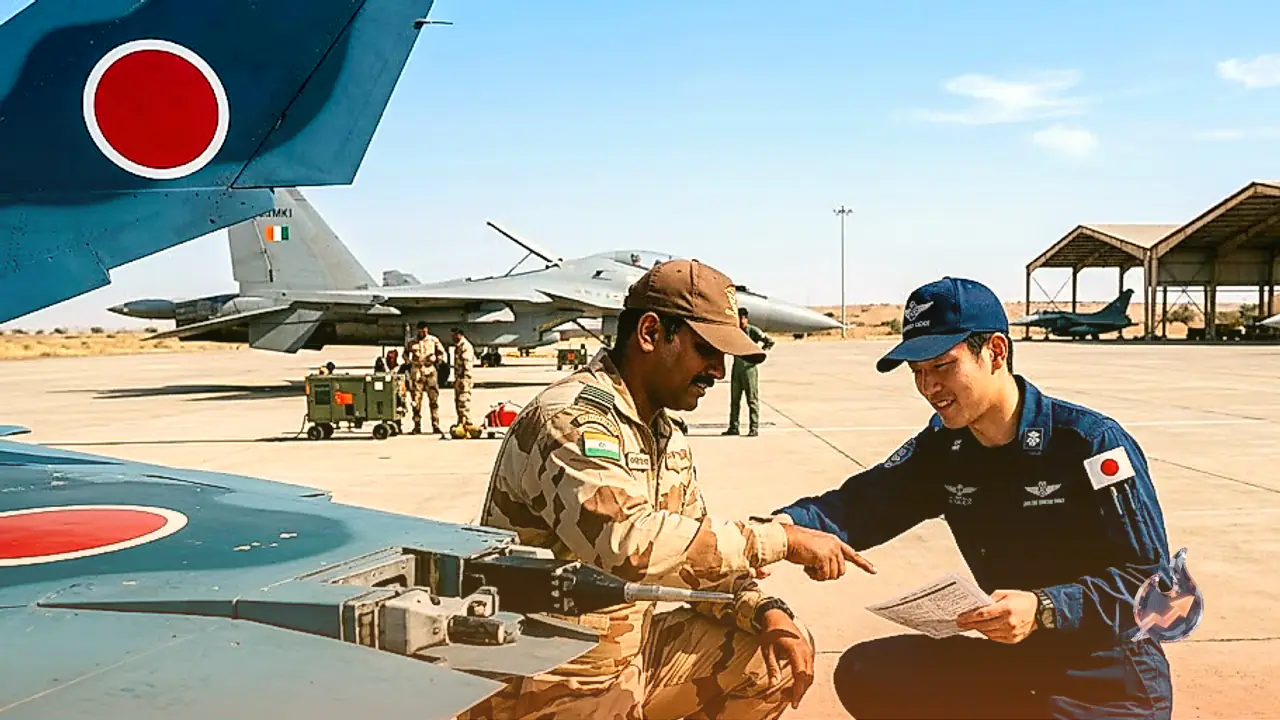

Combat aviation activity surged over Rajasthan as Indian and Japanese fighter aircraft operated across desert airspace during high-intensity tactical sorties. The bilateral air combat exercise Veer Guardian 2026 reached its concluding and most aggressive phase near the western frontier. Operating from the Jodhpur Air Base, situated approximately 200 kilometres from the international border, frontline fighters from both nations conducted simulated offensive strikes and joint engagement drills designed to neutralize opposing strategic targets.
Military aviators from the Indian Air Force and the Japan Air Self-Defense Force executed complex tactical operations under conditions mirroring actual combat environments. The drills included low-altitude attack runs and simulated dogfights, underscoring the growing tactical coordination between both partners in supporting broader peace, stability, and maritime security across the Asia-Pacific theatre.
Deployment of Frontline Fighter Fleets in Extended Operations
Spanning a full fourteen-day itinerary, the exercise mobilized premier combat platforms from both partner nations. Aircrews maintained continuous operational tempo through scheduled day and night combat sorties to test multi-role mission readiness. The Indian Air Force committed its indigenous Light Combat Aircraft LCA Tejas alongside twin-engine multirole Sukhoi-30 MKI air superiority fighters and Rafale aircraft. Operating in close integration, the Japan Air Self-Defense Force deployed its advanced F-2A fighter jets to execute simulated combined air warfare tasks.
Tactical Mission Planning and Ground Engineering Sessions at Jodhpur
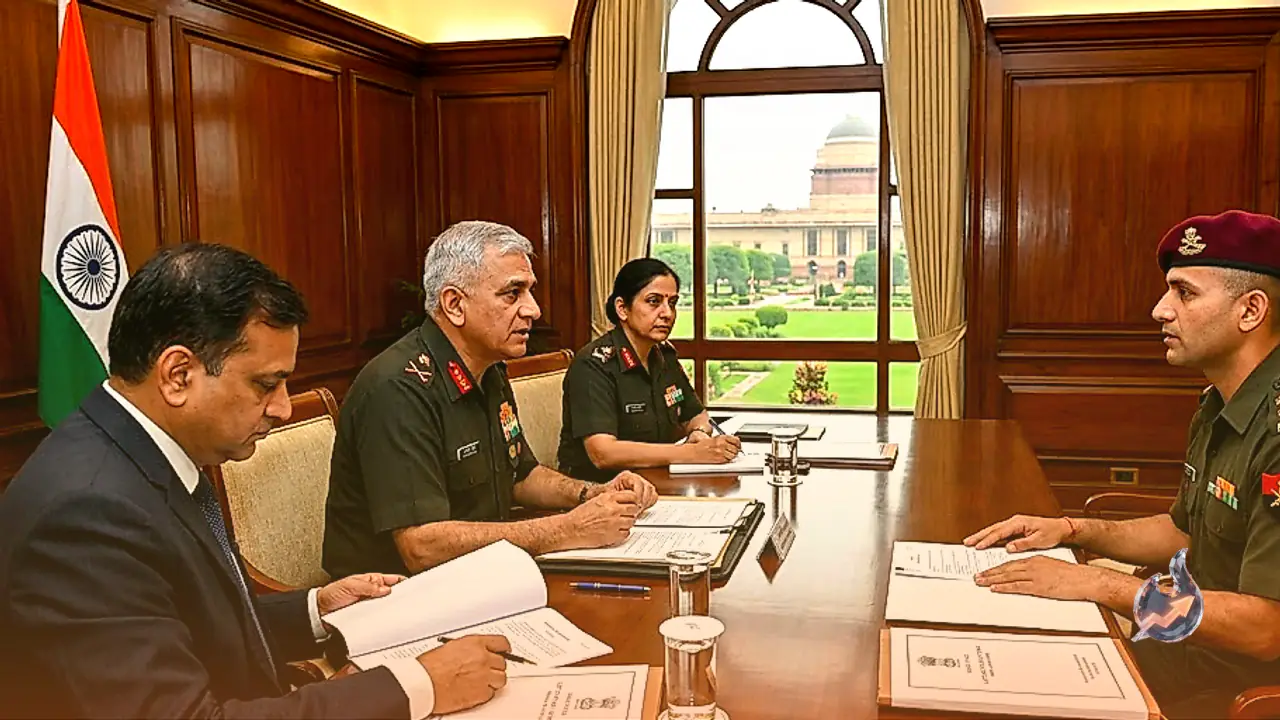
Alongside airborne simulated weapon launches and interception runs, top planners formulated joint operational blueprints on the ground. Senior military leaders and subject-matter experts convened extensive mission planning conferences at the Jodhpur Air Force Station. The deliberations extended beyond flight maneuvers to evaluate quick-turnaround ground engineering, rapid maintenance cycles, and modern space security applications. This structured technical exchange elevated operational synchronization between the technical and planning branches of both air wings.
Second Iteration of Veer Guardian and Maiden Japanese Deployment to India
The operational presence of Japanese F-2 fighters marked a key milestone in bilateral defense engagements. The current exercise, Veer Guardian 2026, commenced on 9 September and runs until 22 September. It represents the second edition of the bilateral series, following the inaugural Veer Guardian 23 hosted in Japan during 2023, which marked the first deployment of Indian fighter aircraft to Japanese airfields. The 2026 edition conversely marks the inaugural joint combat flight deployment of Japan Air Self-Defense Force jets on Indian territory.
Harmonizing Standard Operating Procedures in Simulated Combat
Throughout the multi-day schedule, personnel from both services focused on analyzing each other's tactical doctrines and standard operating procedures. The joint drills emphasized seamless interoperability, coordinated communications, and combined mission execution under simulated high-threat conditions. By cross-pollinating tactical insights and testing platform capabilities against varied operational benchmarks, both air arms continue to reinforce their collective preparedness for emerging regional security contingencies.